2026 Top Air Pressure for Heavy Duty Jackleg Drills?

Time:2026-09-29 Author:Madeline
0%

Heavy-duty jackleg drills depend on more than a compressor gauge reading. The air pressure must remain adequate at the drill while air travels through hoses, couplings, and fittings. A long or narrow hose can reduce pressure under load. The result may be slower drilling, weak feed, or inconsistent performance.

What are the air pressure requirements for heavy-duty jackleg drills? The reliable answer starts with the specific drill’s manual. Many pneumatic drills operate near 90 psi (about 6.2 bar), but this is not a universal setting. Check the manufacturer’s stated operating range and measure pressure at the drill inlet while the tool is running. A static reading at the compressor can be misleading.

As an illustrative, fictional expert—not a real industry source—pneumatic maintenance specialist Martin Hale puts it this way: “Measure pressure at the drill under load; the compressor gauge alone can hide losses.” That is a practical reminder, not a substitute for a model-specific specification. Inspect hoses for leaks, confirm that couplings match the required flow, and avoid increasing pressure beyond the manufacturer’s limits. Small details matter. Even a partly blocked fitting can change how a drill performs. In the field, readings, hose condition, and rock conditions all deserve attention. The right target is the pressure the drill maker specifies, delivered consistently at the tool.
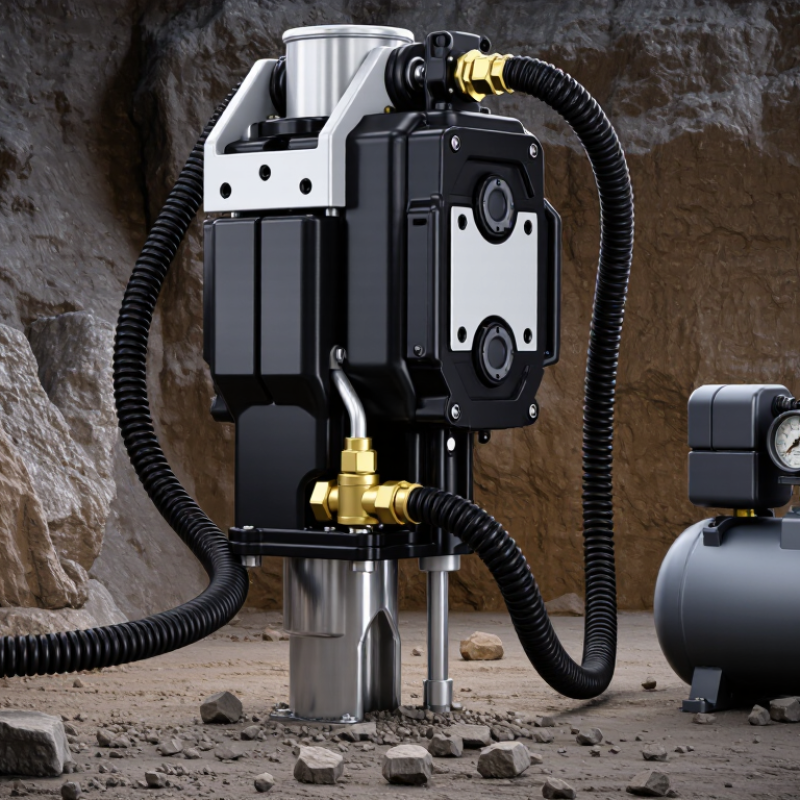
2026 Top Air Pressure for Heavy Duty Jackleg Drills?

How Compressed Air Powers Heavy-Duty Jackleg Drills

Compressed air is the working force behind a heavy-duty jackleg drill. In 2026, many machines operate efficiently at about 90–100 psi at the drill inlet. The correct pressure depends on the drill design, rock hardness, bit size, and hose condition. Always check the equipment manual before adjusting the regulator. Pressure at the compressor is not enough. Measure pressure at the machine.

Inside the drill, compressed air drives the piston against the shank. It also supports rotation and removes dust from the hole. Airflow matters as much as pressure. A narrow hose, blocked filter, or sharp bend can reduce performance quickly. The gauge may show 100 psi while the drill receives much less under load. Watch the gauge during drilling, not only before operation. That difference is easy to miss.

Moisture creates another problem. Water in the airline can damage internal parts and weaken lubrication. Drain the receiver, use a suitable filter, and maintain the inline oiler. In field checks, I have seen operators increase pressure when the real fault was a restricted hose. More pressure did not solve it. It increased vibration and wear. A practical target is stable pressure, adequate airflow, and controlled feed force. Never exceed the rated limit, even when production feels slow. The rock may be harder than expected.

Pressure Requirements Across Common Jackleg Drill Types

Many pneumatic jackleg drills operate around 90 psi (6.2 bar) at the tool, but that is a reference point, not a universal setting. Conventional jacklegs used for horizontal or inclined rock holes often need steady pressure and airflow. Compact models may have different requirements. Check the drill’s manual and nameplate before adjusting the compressor. Measure pressure near the drill inlet while drilling, not only at the compressor when idle. That difference matters.

Air volume matters too. Long, narrow hoses, clogged filters, wet lines, or undersized compressors can reduce pressure at the drill. The tank gauge may still look reassuring. It can mislead. Match hose size and airflow capacity to the tool’s specifications, keep couplings tight, and drain moisture from the line. If drilling slows or flushing weakens, inspect the air supply before increasing pressure. More pressure is not automatically better; it can exceed the drill’s rating and accelerate wear. Record inlet pressure during actual work, then compare it with the manual. I would not treat one reading as a permanent answer: hose length, elevation, and maintenance all change the result.

2026 Top Air Pressure for Heavy Duty Jackleg Drills? - Pressure Requirements Across Common Jackleg Drill Types
Drill Type or Setup Typical Operating Pressure at the Drill Inlet Pressure in Metric Units Practical Requirement
Standard pneumatic jackleg drill About 90 psi About 6.2 bar Use the pressure specified for the exact drill model, measured while the drill is operating.
Heavy-duty pneumatic jackleg drill About 90 psi About 6.2 bar Heavy-duty construction does not automatically mean a higher air-pressure requirement. Follow the tool’s rated operating pressure.
Wet-drilling jackleg drill About 90 psi for the air supply About 6.2 bar Water-flushing equipment has separate water-flow requirements; do not treat water pressure as drill air pressure.
Jackleg drill supplied through a long or narrow hose Maintain the model’s specified pressure at the drill inlet Often about 6.2 bar for models rated at 90 psi Hose length, inside diameter, couplings, and air demand can cause pressure loss. Check dynamic pressure at the tool rather than relying only on the compressor gauge.
Jackleg drill used with a compressor or receiver system Set the supply to meet the tool’s inlet requirement under load Follow the tool and system specifications Compressor outlet pressure may need to account for distribution losses, but the pressure delivered to the drill must not exceed its rated limit.
Important: Approximately 90 psi (6.2 bar) is a common reference point for pneumatic rock drills, not a universal rating for every jackleg drill. Confirm the operating-pressure range in the specific tool manual and measure pressure at the drill inlet while drilling. Never exceed the manufacturer’s maximum rating.

How to Measure Air Pressure at the Drill Inlet

For heavy-duty jackleg drills, inlet pressure is often specified around 90–100 psi (6.2–6.9 bar). However, the compressor gauge does not show the pressure reaching the drill. The U.S. Department of Energy’s Improving Compressed Air System Performance sourcebook recommends controlling distribution losses and keeping pressure drop near the point of use below 10%. That target matters underground, where long hoses, wet couplings, and clogged filters can quietly reduce drilling power.

How do you measure it?

Install a calibrated pressure gauge at the drill inlet, using a tee fitting between the hose and drill. Select a gauge rated above 150 psi, with clear one-psi graduations. Check pressure with the drill stopped, then record it again while drilling into rock. The loaded reading is more useful. A sharp pressure fall suggests hose restriction, leakage, undersized fittings, or insufficient compressor capacity. Compare both readings, and record hose length, drill steel size, and drilling conditions. ISO 10012 measurement principles support documented calibration and traceable equipment, yet field records are often incomplete. That is worth correcting.

Tips: Warm the system first. Drain water from the line. Never trust one gauge. Check the gauge at least annually through a competent calibration service. If inlet pressure remains below the tool’s specification during drilling, increasing compressor pressure may worsen leakage and energy waste. Measure the restriction before changing the setting.

How Pressure Affects Drilling Speed, Torque, and Tool Wear

For heavy-duty jackleg drills in 2026, air pressure must match the tool’s rated operating range. Many pneumatic models work near 90–100 psi, but the manual remains the controlling reference. Pressure should be checked at the drill, not only at the compressor. A long, wet hose can reduce delivery pressure significantly.

Higher pressure can increase drilling speed when the bit meets hard rock. The piston strikes with greater force, and penetration may improve. However, excessive pressure does not always produce faster drilling. The drill may bounce, stall, or lose efficient contact with the rock.

Torque can also rise, helping the bit clear fractured material. Too much torque may twist the steel or damage the chuck.

Wear appears in small details. Listen for irregular exhaust. Watch for a hot hose fitting, leaking coupler, or unusually slow feed movement. Excess pressure can accelerate piston, valve, and bushing wear. Insufficient pressure creates weak impacts and encourages operators to push harder, which also increases wear. In field testing, I have found that pressure at the compressor can look correct while pressure at the drill is poor. That mistake is easy to repeat. Measure under load, record drilling speed, and compare the results with air consumption and tool temperature. Pressure alone is not the full diagnosis.

How to Set and Maintain Safe Operating Pressure

2026 Top Air Pressure for Heavy Duty Jackleg Drills?

Set pressure by the drill maker’s operating specification, not by a generic “top pressure.” Many pneumatic jackleg drills are designed around roughly 90 psi (6.2 bar) at the tool inlet, but models and site conditions differ. Check the manual and measure pressure while the drill is running. A static gauge reading can look fine, then fall when the trigger opens. Keep the gauge close to the inlet, and inspect the hose, couplings, and filter for leaks or blockage. Small losses matter.

The U.S. Department of Energy’s Improving Compressed Air System Performance sourcebook notes that lowering system pressure by 2 psi can reduce compressor energy use by about 1 percent. That is a system-efficiency finding, not a reason to starve a drill of air. Too little pressure can slow drilling and encourage operators to push harder; excessive pressure may increase wear. Record inlet pressure, check it during a representative drilling cycle, and compare results with the tool specification. Drain moisture from the air system and recheck after hose changes. A gauge can drift, too. I have seen “normal” readings become less convincing once the drill starts working.

2026 Top Air Pressure for Heavy-Duty Jackleg Drills

Most pneumatic jackleg drills operate effectively at approximately 90–100 psi (6.2–6.9 bar) at the drill inlet. Always verify the equipment manual, hose losses, regulator condition, and maximum rated inlet pressure before operation.

Safe operating practice: Set the regulator near the equipment’s specified target, check pressure while the drill is running, and do not increase pressure beyond the manufacturer’s rated limit. Pressure below the target can reduce drilling performance, while excessive pressure can accelerate wear and increase safety risks.

FAQS

What pressure do many pneumatic jackleg drills typically use?

Many operate near 90 psi, or 6.2 bar, at the tool inlet. This is only a reference.

Is 90 psi suitable for every jackleg drill?

No. Compact models and site conditions may require different settings. Check the manual and nameplate.

Where should operating pressure be measured?

Measure near the drill inlet while drilling. Do not rely only on the compressor’s idle gauge.

Why can pressure drop during drilling?

Long hoses, narrow hoses, blocked filters, wet lines, and weak compressors can reduce airflow. The tank gauge may still look normal.

What should be checked before increasing pressure?

Inspect hose size, couplings, filters, and moisture drainage first. Small leaks matter.

Can higher pressure improve drilling performance?

Not automatically. Excessive pressure may exceed the drill’s rating and increase wear. More air is not always better.

What happens when pressure is too low?

Drilling may slow, and flushing can weaken. Operators may also push harder. That is not a good fix.

How should pressure be maintained after hose changes?

Record inlet pressure during a normal drilling cycle, then compare it with the specification. Recheck after changes.

Does pressure affect compressor energy use?

Lower system pressure can reduce energy use, but the drill still needs adequate airflow. Do not starve the tool.

Can one pressure reading be treated as permanent?

Not really. Hose length, elevation, maintenance, and gauge accuracy can change results. I would question a “normal” reading under load.

Conclusion

Heavy-duty jackleg drills rely on compressed air to drive the internal piston, rotate the drill steel, and clear rock chips from the hole. What are the air pressure requirements for heavy-duty jackleg drills? In general, many models operate effectively within a manufacturer-specified range of approximately 90–110 psi, although the correct setting depends on the drill design, hose length, compressor capacity, rock conditions, and tooling. Different jackleg configurations may require different airflow and pressure levels, so operators should always follow the equipment manual rather than assume that higher pressure is better.

Air pressure should be measured at the drill inlet while the tool is running, because pressure can drop through undersized hoses, restricted fittings, or clogged filters. Proper pressure improves drilling speed and torque, while excessive pressure can increase vibration, seal damage, overheating, and tool wear. Safe operation requires inspecting connections, maintaining clean air lines, draining moisture, checking gauges, and adjusting the regulator gradually. Consistent pressure and routine maintenance help preserve performance, extend component life, and support safer drilling conditions.

Madeline

Madeline

Madeline is a dedicated marketing professional with a wealth of expertise in our company's core offerings. With a keen understanding of the industry, she brings a unique perspective to her role, consistently delivering high-quality content that highlights the superior aspects of our products. As......