Explore our high-performance displacement-controlled manual setting tools, expansion guns, and drill-bit assemblies designed to meet rigorous onsite specifications.
An authoritative whitepaper on the engineering, metallurgy, and application criteria governing heavy-duty anchor bolt installations.
In high-load civil engineering, structural steel framing, and subgrade mining applications, the performance of an anchor bolt is directly dependent on the precision of its installation. Studies in concrete anchorage behavior confirm that over 85% of premature anchor failures—including slippage, concrete cone breakout, and post-tensioning loss—can be traced back to incorrect installation parameters rather than material defects in the bolt itself. As a premier manufacturer and exporter, we address these physical challenges by engineering installation tools that eliminate human error and maintain precise physical margins.
"Proper installation torque and uniform expansion depth are critical to structural safety. Our proprietary tools provide predictable setting mechanics, safeguarding your structural connections against shear stress, tension loading, and cyclic fatigue."
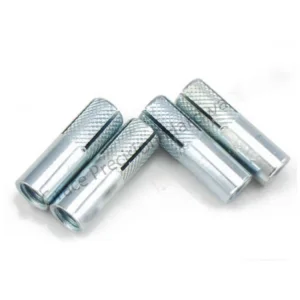
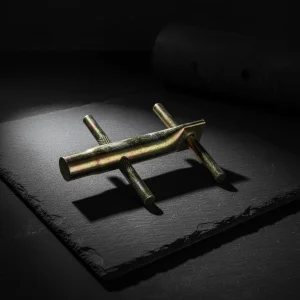
Internal expansion anchor systems (such as drop-in anchors) require precise displacement control. If the internal plug is under-driven, the expansion sleeve does not engage the concrete substrate fully, leading to pull-out failure. Conversely, if it is over-driven or subjected to excessive impact force, the concrete surrounding the anchor develops micro-fractures, which degrades the pull-out capacity. Utilizing premium impact-resistant drop-in setting tools guarantees that the plug reaches the optimal displacement depth, establishing maximum frictional resistance against the concrete bore.
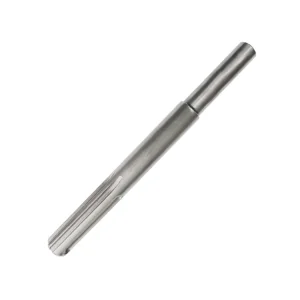
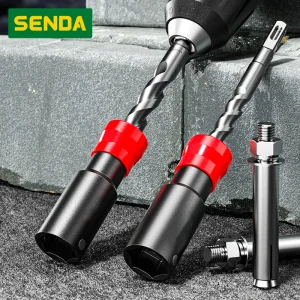
The global construction and mining sectors are experiencing a major transition toward automated, high-precision, and safety-compliant fastening systems. There is a strong demand for tools that integrate directly with standard SDS-Plus and SDS-Max rotary hammers to automate the setting sequence. Our research and development has anticipated this shift, resulting in tools like the 5/8" SDS-Max Shank Auto Drop-in Tool, which utilizes mechanical depth-stops to prevent over-penetration and reduce manual fatigue by up to 70%.
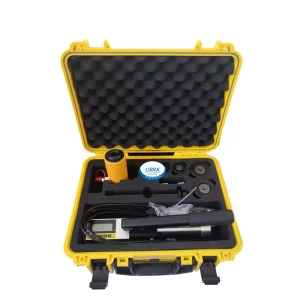
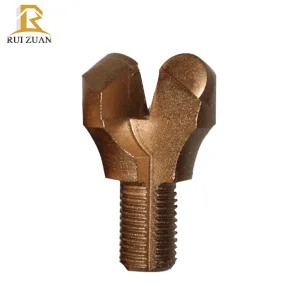
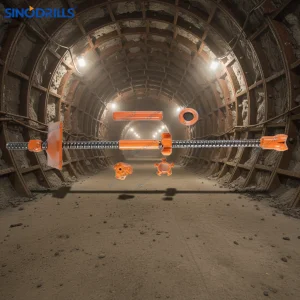
In geotechnical projects, the rise of micropile installations, grouted rock bolts, and post-tensioning tendons requires heavy-duty grouting and testing equipment. High-capacity ground anchors must be loaded to proof-stress levels to ensure performance under geological shift. We support these processes by supplying specialized soil-nailing accessories, PDC roof bolt bits, and highly calibrated Anchor Pull-Out Testers, enabling engineering teams to carry out onsite verification according to rigorous structural codes.
When engineering procurement departments specify installation systems, their priority is matching tool geometry and material specifications with the target anchoring components. Compliance with international standards is essential. For instance, European Technical Assessments (ETA) and the International Code Council Evaluation Service (ICC-ES) require that torque-controlled expansion anchors and displacement anchors are set using manufacturer-validated tools. Non-standard tool clearances can invalidate these certifications, exposing projects to significant legal and structural risks.
Below is a summary of tool-to-anchor configurations and their performance implications:
| Anchor Type | Recommended Tool | Key Operational Indicator | Standards Compliance |
|---|---|---|---|
| Internal Expansion (Drop-In) | Manual or SDS Shank Drop-in Tool | Internal plug fully seated; outer rim flush with concrete. | ASTM A563, ETA guidelines |
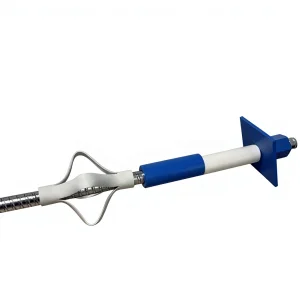
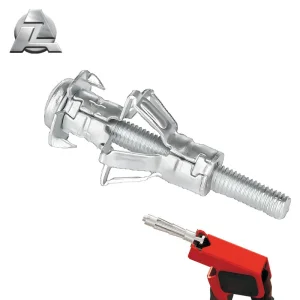
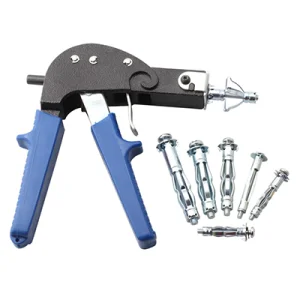
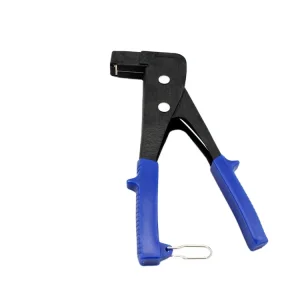
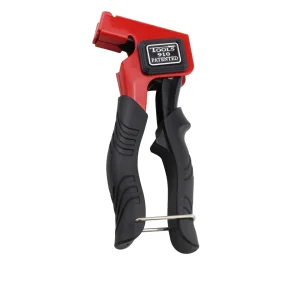
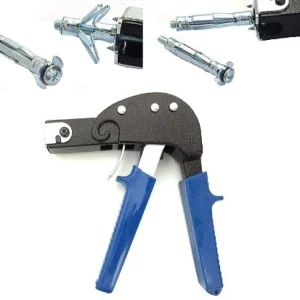
| Hollow Wall / Cavity Molly Bolts | Heavy Duty Metal Expanding Gun | Controlled pull-back without stripping thread. | ISO 9001:2015 Manufacturing |
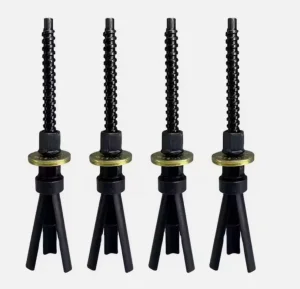
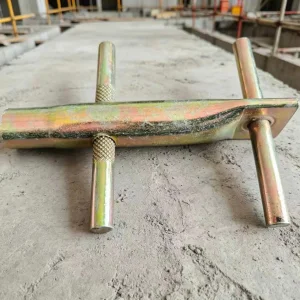
| Rock Bolts / Micropiles | Refined Rolled Thread / PDC Bit | Rotary-impact coupling strength, high torque limits. | BS EN 1997 (Eurocode 7) |
| Concrete Anchor Testing | Hydraulic Anchor Pull-Out Tester | Direct load display with precise calibration readouts. | ACI 355.2 / ASTM E488 |
To withstand the rigorous mechanical forces of impact hammers and repetitive hand-setting, our tool lines are manufactured using specialized metallurgical treatments. We utilize premium high-carbon alloys (such as AISI 1045 or Cr-V steel) that undergo precise induction hardening and tempering. This achieves an optimal balance between hardness (typically HRC 50-55) and impact toughness. In corrosive environments, such as marine structures or damp mines, we apply blue-white zinc galvanizing, hard chrome plating, or electropolished stainless steel coatings to resist rust and wear.
Incorporates precise mechanical limits to prevent concrete spalling, micro-cracking, and anchor slippage during high-impact installations.
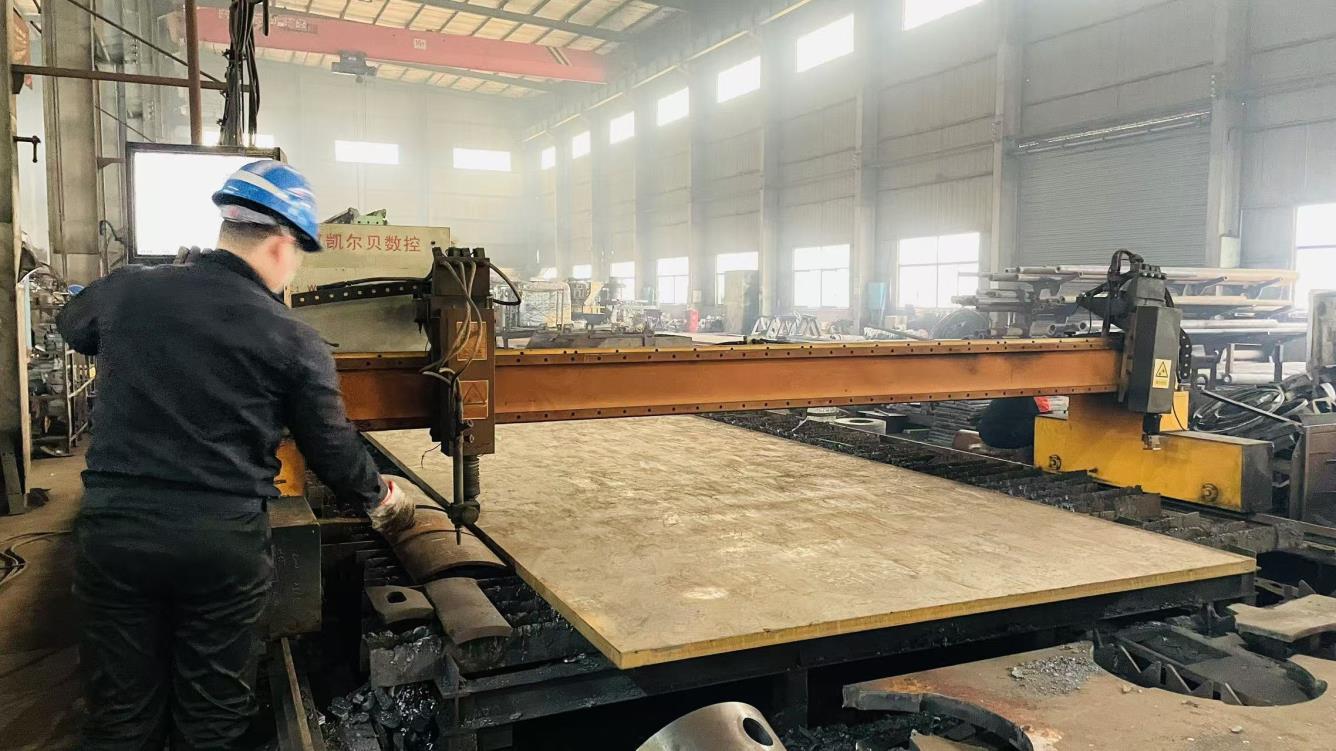
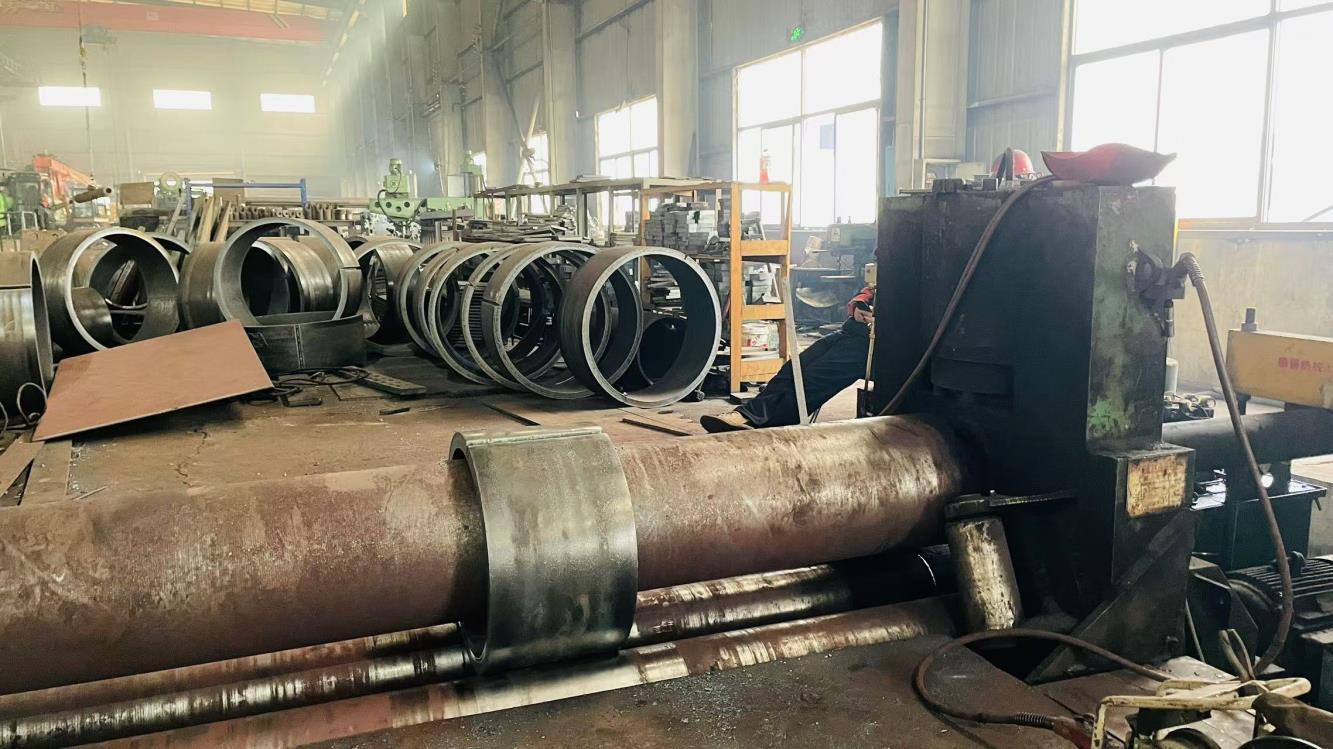
State-of-the-art CNC machining and heat treatment ensure our tools maintain geometric integrity and dimensional accuracy under heavy use.
Fully certified and designed in compliance with ASTM, ETA, and ISO standards, ensuring seamless integration into public and private projects.
Driving Innovation in Industrial Machinery and Building a New Era of Advanced Equipment Manufacturing
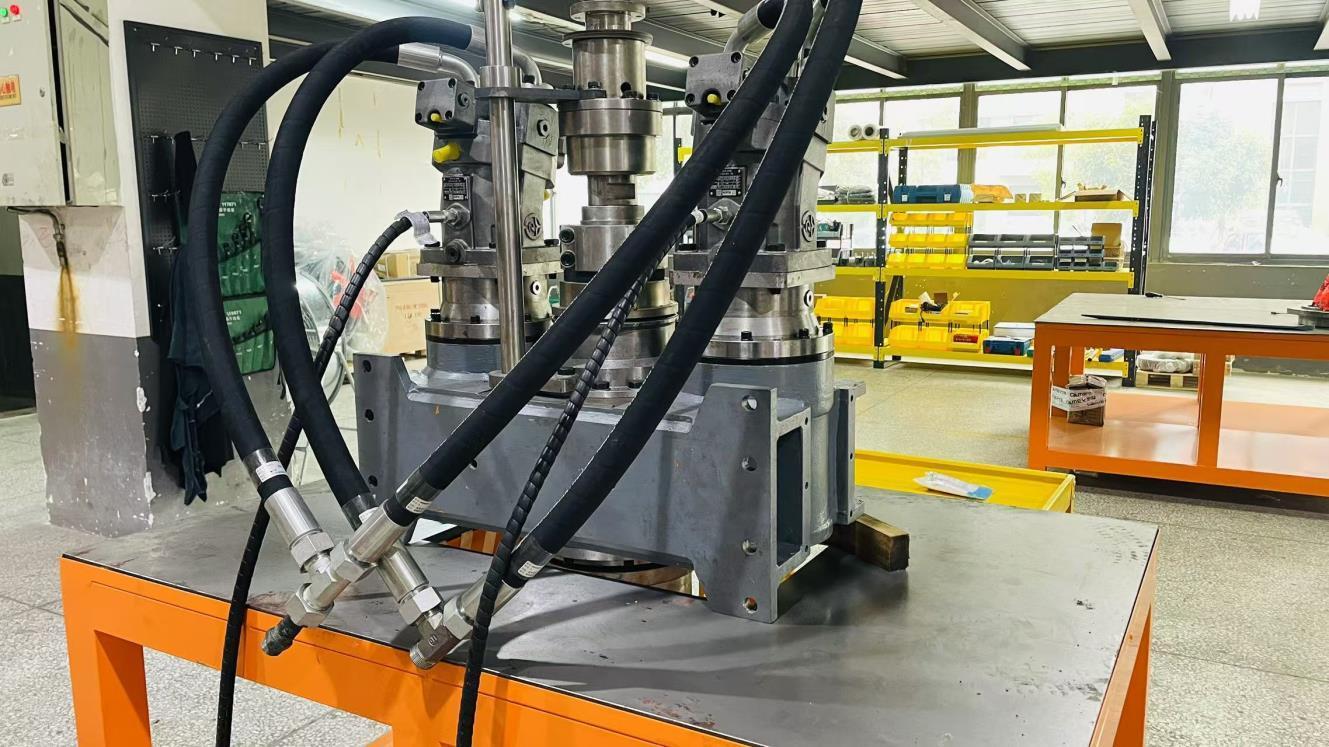
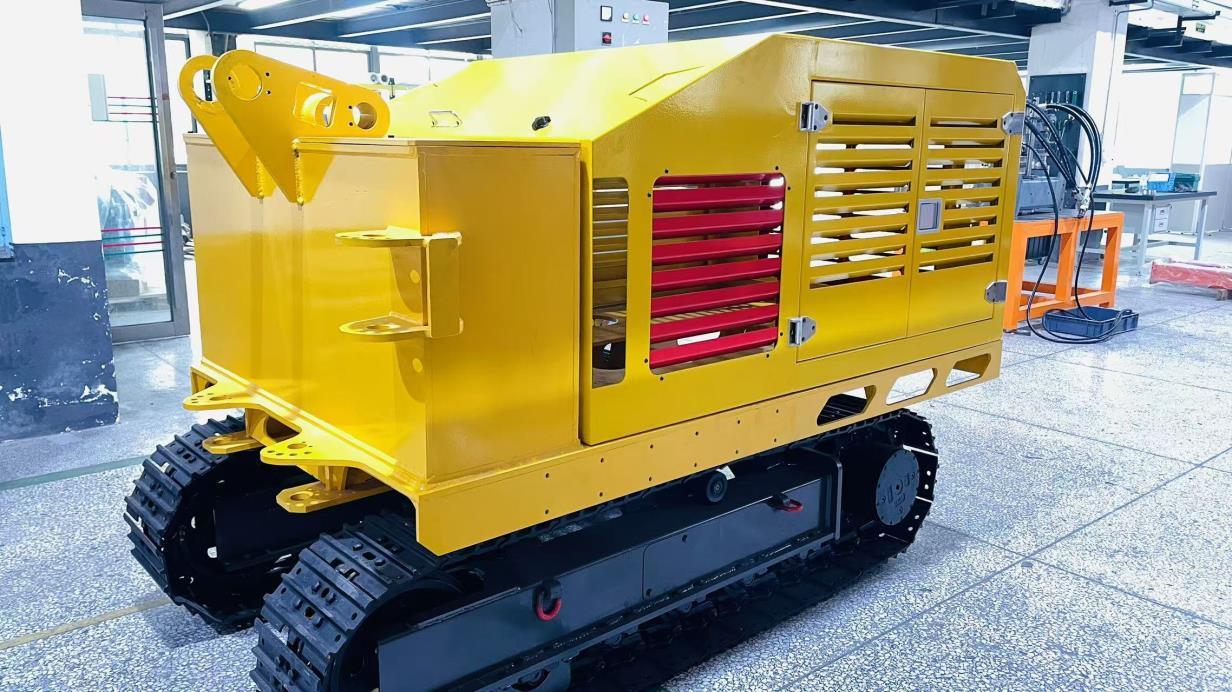
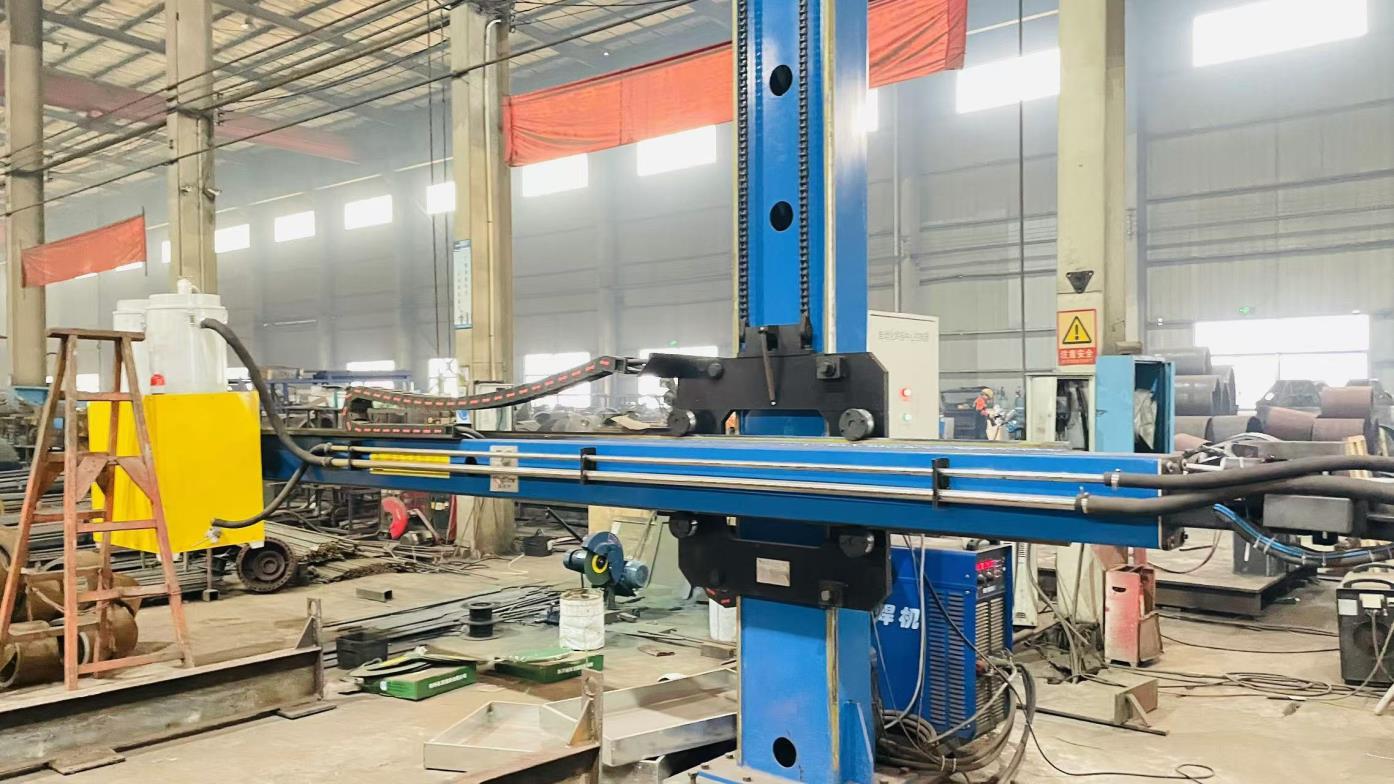
Shandong E-Way Machine Co., Ltd. is a modern industrial equipment manufacturer dedicated to the research, development, production, and service of high-quality machinery and engineering solutions. With a strong focus on technological innovation and manufacturing excellence, the company serves customers in mining, construction, and various heavy-duty industrial sectors worldwide.
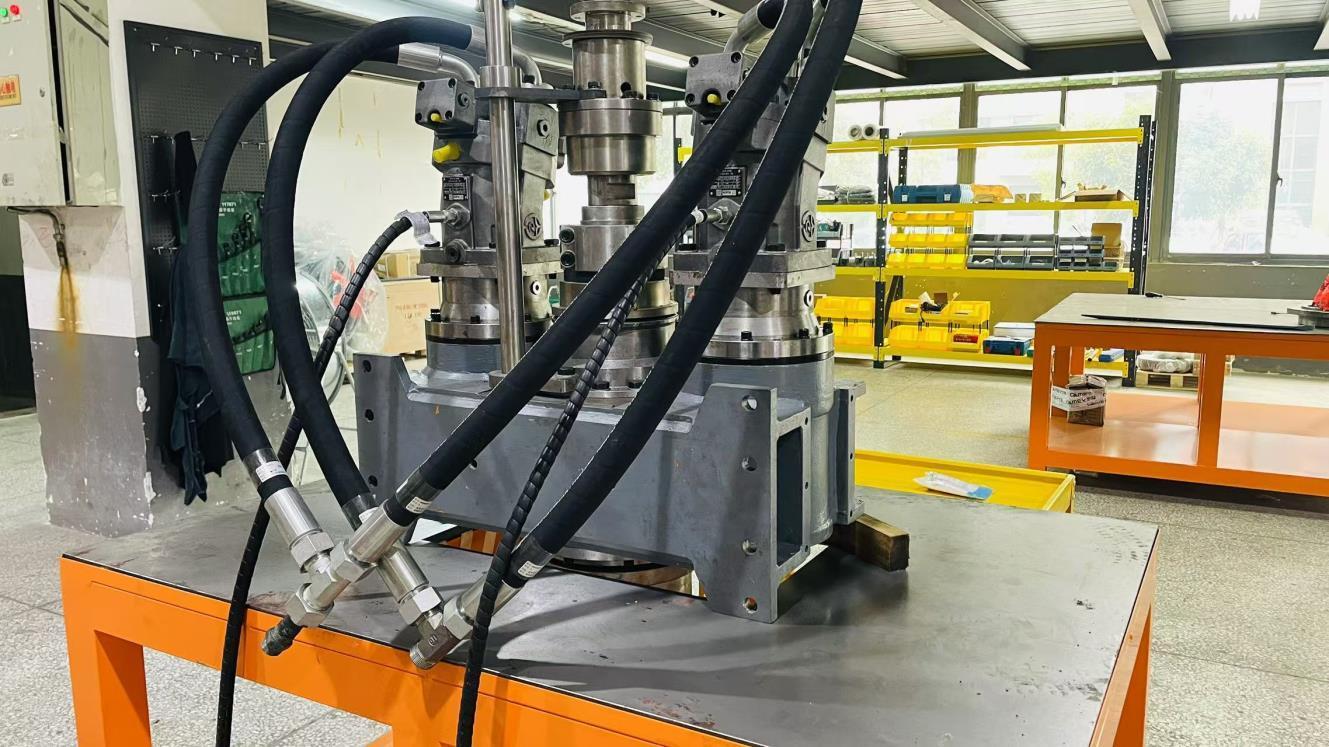
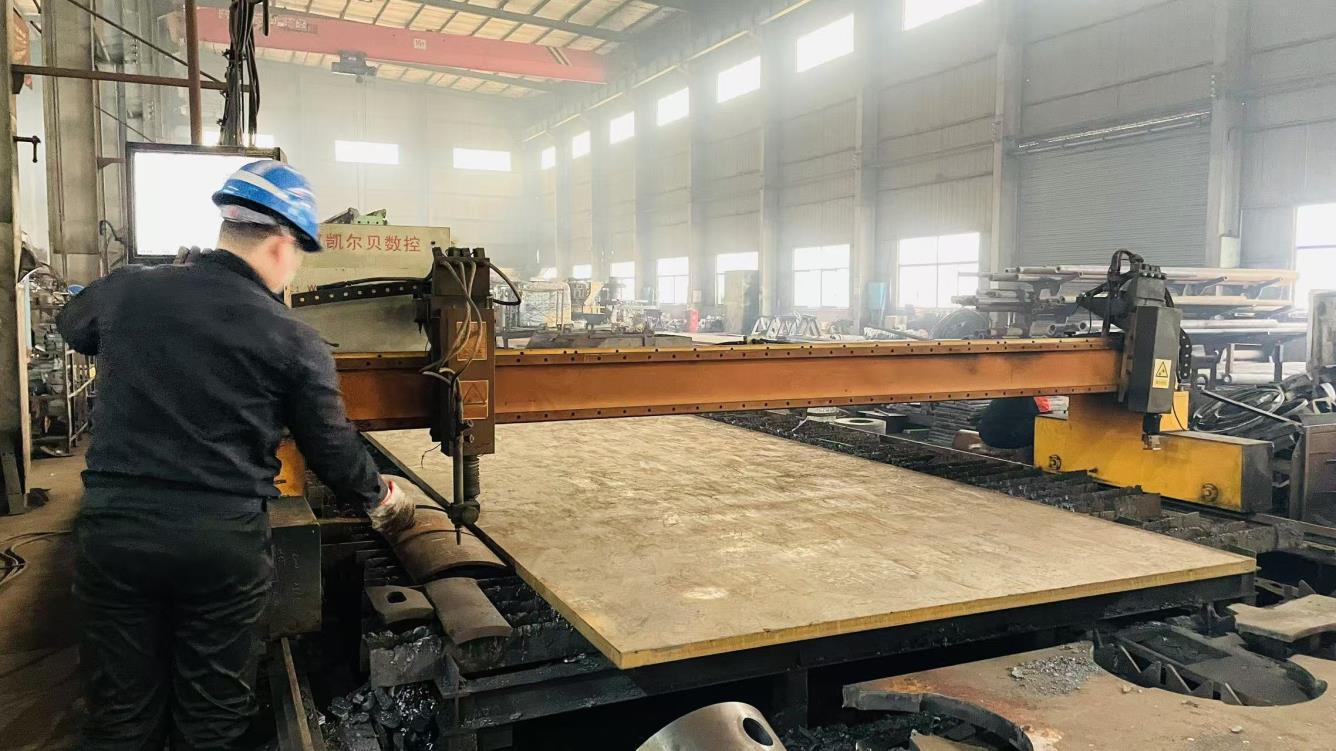
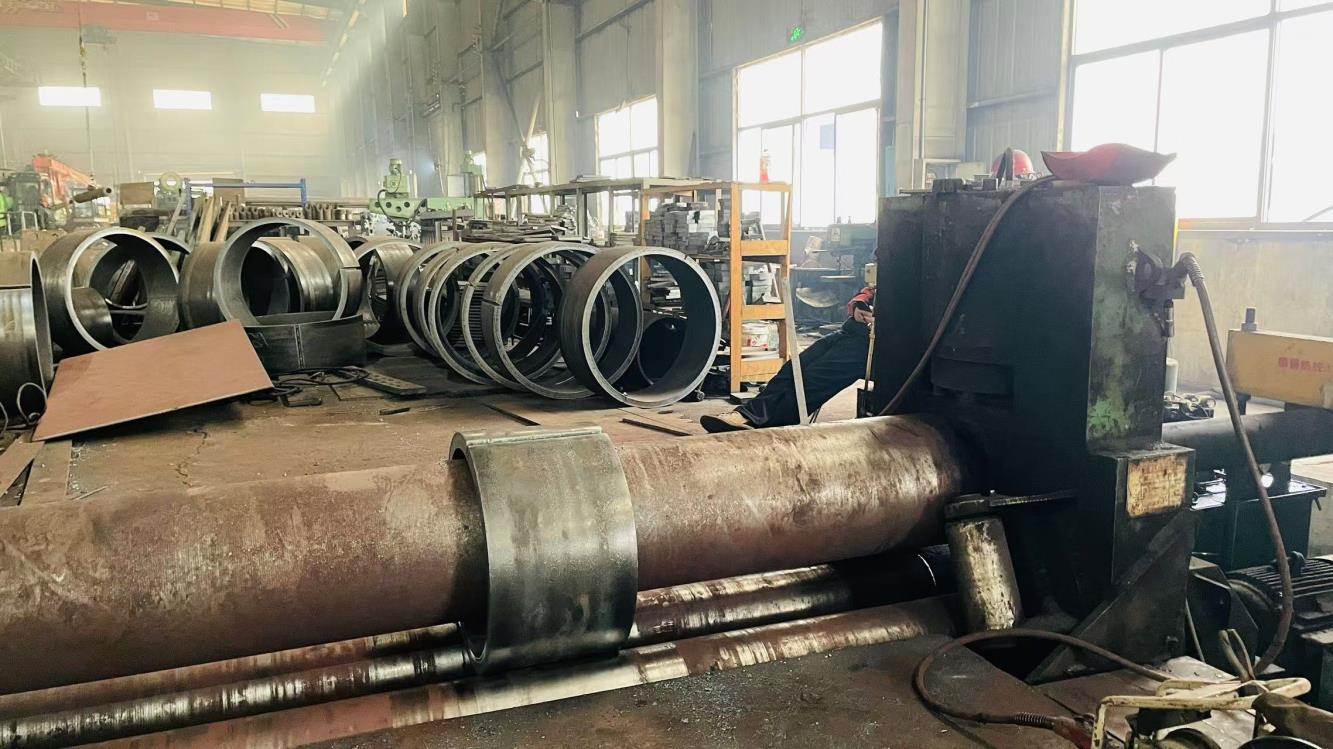
Over the years, Shandong E-Way Machine has developed a diversified product portfolio covering mining and construction drilling equipment, pneumatic and hydraulic tools, anchoring and support systems, mechanical transmission components, and a wide range of spare parts and accessories. In addition, the company provides customized machining services, including precision components, structural parts, and wear-resistant engineering plastic products, meeting the specific needs of different working conditions and industries.
Innovation is the core driving force behind Shandong E-Way Machine’s sustainable development. The company brings together experienced engineers and technical experts specializing in mechanical design and industrial equipment development. Through continuous research and development, we improve product structures, enhance operational efficiency, and upgrade performance reliability.
By integrating advanced manufacturing technologies and practical engineering experience, we have developed a series of independently designed products that deliver stable performance even under complex and demanding working environments.
Quality is the foundation of our enterprise. Shandong E-Way Machine strictly follows a comprehensive quality management system throughout every stage of production—from raw material selection and precision machining to final inspection and testing.
Understanding the critical importance of safety in mining and industrial applications, our products are engineered with enhanced structural strength, safety protection features, and long-term durability. This ensures reliable operation under high load, harsh conditions, and continuous working environments.
At Shandong E-Way Machine, we uphold a customer-first philosophy and are committed to delivering complete lifecycle support. Our service system includes pre-sales consultation, technical solution design, installation guidance, and comprehensive after-sales support.
We aim not only to provide high-quality products but also to ensure customers receive timely technical assistance and reliable service throughout the entire usage process. This commitment enables long-term partnerships and mutual success with our global clients.
Moving forward, Shandong E-Way Machine Co., Ltd. will continue to embrace the principles of innovation-driven growth, quality excellence, and service-oriented development. We are committed to advancing intelligent manufacturing, expanding application areas, and improving product efficiency, safety, and sustainability.
Together with global partners, we strive to contribute to the continuous progress of the industrial machinery sector and create a smarter, safer, and more efficient future.
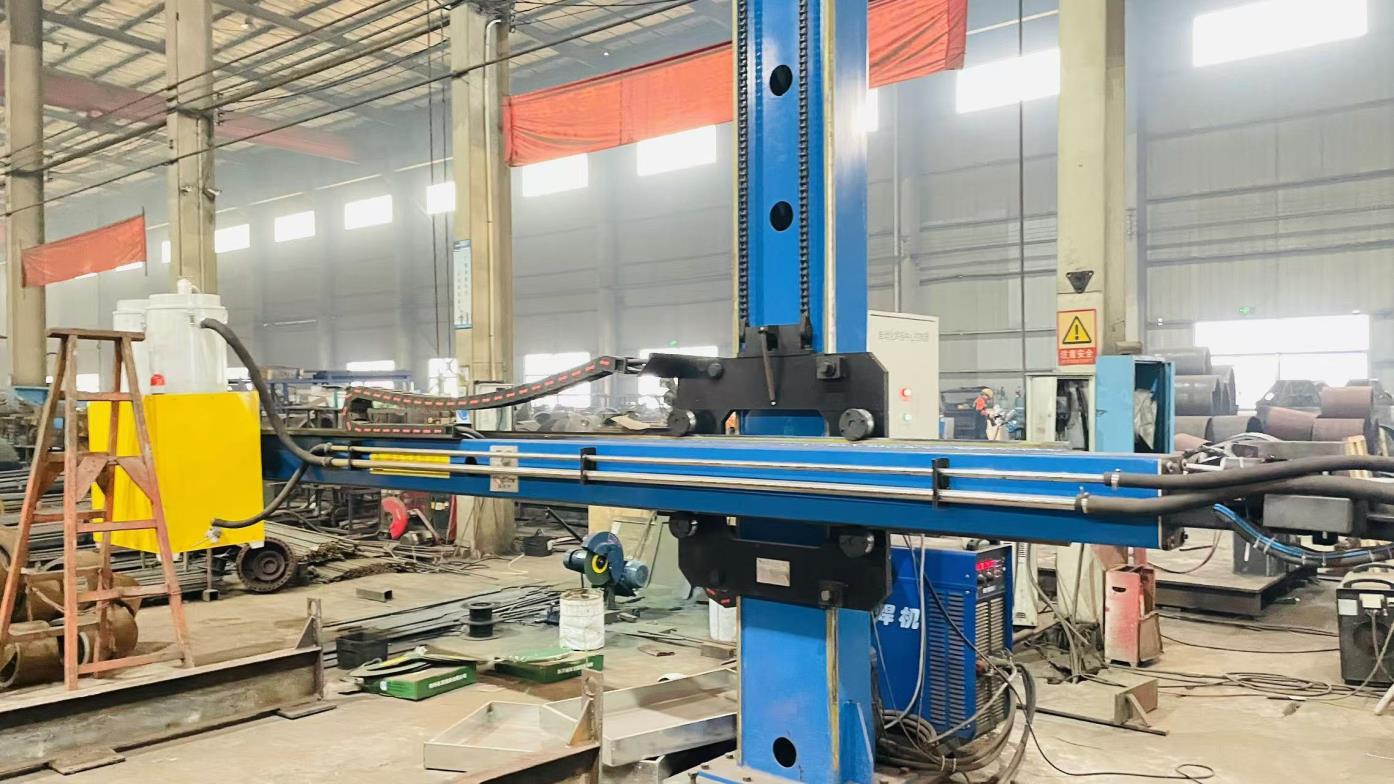
Strategic projection of how smart systems, metallurgy, and dynamic structural monitoring are changing the anchoring field.
Integrating wireless sensors into heavy-duty rotary-hammer adapters. These sensors communicate real-time torque profiles to dynamic logs, ensuring compliance with construction and seismic safety requirements.
Advancing multi-layer duplex zinc-flake and titanium-alloy coatings to extend the life of mining rock bolts and post-tensioning anchors in underground applications and high-salinity marine projects.
Developing anchoring systems that incorporate smart sensor nodes. These nodes monitor tension load variations over time, providing early warning alerts for infrastructure projects and mining operations.
In-depth insights regarding concrete anchor installation mechanics, procurement practices, and safety protocols.
Explore our deep-hole drilling accessories, pull-out testing devices, and geotechnical anchoring components for specialized engineering requirements.