When tackling hard granite rock formations, choosing the right drill bit is crucial. What type of drill bit is best for hard granite rock formations? This question often arises among DIY enthusiasts and professionals alike. Granite is known for its durability and density, making it challenging to drill.
Hard granite demands specific drill bits designed to withstand intense pressure and heat. Carbide and diamond-tipped bits are popular options that provide efficiency and longevity. These materials are preferred for their strength. The right drill bit can make your project smoother and more effective. In contrast, using inferior bits can lead to frustration. You might face inconsistent drilling and wasted time.
Understanding the nuances of drill bits is essential. Not all bits are suited for granite. Each type has unique features and applications. It's important to explore these characteristics carefully. Finding the best fit requires research and hands-on experience. Remember, not every bit will yield ideal results. Testing different options can guide you to success with hard granite.
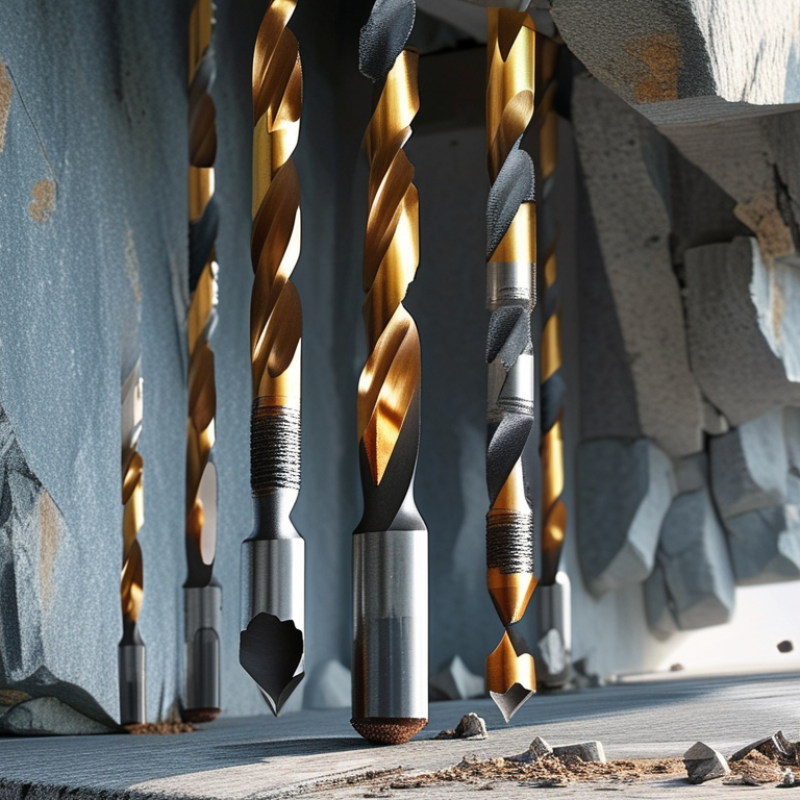
When drilling through hard granite rock formations, selecting the right drill bit is crucial. One effective type is the diamond-tipped drill bit. These bits are engineered for durability and efficiency. They create clean, precise holes in tough materials. Their diamond particles enhance cutting ability, making them ideal for granite.
Another option to consider is the carbide-tipped drill bit. This design combines strength with resistance to heat. Carbide bits handle the intense friction often encountered when drilling into granite. However, they may dull quicker than diamond bits, requiring frequent replacements. Using water or coolant can improve lifespan and performance, but it adds a layer of complexity.
Choosing between these types depends on the specific project requirements. It’s essential to evaluate factors such as bit size and depth. Some users may find their chosen bit doesn't perform as expected, leading to frustration. Observing the wear and tear can help in making better future selections. Being mindful of drill speed and pressure can also impact effectiveness. Understanding these variations helps in achieving successful outcomes in granite drilling tasks.
When it comes to drilling through hard granite rock formations, choosing the right drill bit is crucial. Carbide drill bits are known for their toughness. They are ideal for rocky terrains. Their strength makes them a popular choice for general drilling tasks. However, they may not always perform well under extreme conditions. The wear and tear can be significant, leading to frequent replacements.
On the other hand, diamond drill bits offer superior performance. They are designed specifically for cutting through hard materials. The diamond coating allows for precision and durability. Although more expensive, their longevity often justifies the cost. Users can expect fewer frustrations with breakages or dulling. Yet, handling diamond bits requires more expertise and careful usage. Not everyone may feel comfortable using them effectively.
Selecting between carbide and diamond drill bits depends on various factors. Assessing your project requirements helps in making a decision. If speed and efficiency are critical, diamond bits shine in that regard. Carbide options serve well for less demanding jobs. It's important to remember that every drill bit comes with limitations. Understanding those can lead to better outcomes in your drilling endeavors.
| Type | Material | Hardness Rating (Mohs) | Durability | Cost (Per Bit) |
|---|---|---|---|---|
| Carbide Drill Bits | Tungsten Carbide | 8-9 | Moderate | $5 - $15 |
| Diamond Drill Bits | Synthetic Diamond | 10 | High | $20 - $50 |
| Core Drill Bits | Diamond Grit | 10 | Very High | $30 - $80 |
| Masonry Drill Bits | Carbide Tipped | 9 | Moderate | $3 - $10 |
When drilling into hard granite rock formations, selecting the right drill bit size is crucial. For effective granite drilling, a bit diameter of 1 to 1.5 inches is often recommended. This range provides a balance between speed and efficiency, allowing for deeper penetration without excessive wear on the bit. According to a study by the Geological Society, larger bits can overheat easily. They require more power and can lead to premature failure.
For those tackling granite, choosing the right material for the drill bit is also essential. Tungsten carbide and diamond-coated bits are highly rated for their durability. A 2019 report by the Mining Journal indicated that diamond bits have a longer lifespan, often lasting up to three times longer than traditional ones. However, they are more expensive and should be used judiciously.
Tip: Always keep the drill bit cool with water or a lubricant during use. This practice extends its lifespan. Check the bit regularly for wear. Replace it at the first signs of dullness to maintain drilling efficiency. Additionally, practicing on softer materials before drilling granite can help refine techniques. This helps reduce mistakes and unexpected challenges.
When drilling into hard granite rock formations, selecting the right drill bit is vital for efficiency and success. High-performance drill bits are often made from materials such as diamond or carbide, which can withstand extreme pressure and temperature. A recent industry report highlighted that diamond-core bits can increase drilling speed by up to 50% compared to standard bits. This is essential when working with tough materials like granite.
The technical specifications of these drill bits make them unique. For example, a drill bit with a diameter of 1 inch can typically penetrate granite at a rate of 3 feet per hour. However, this rate can vary based on the drill's power and the bit's design. Many professionals recommend a bit with a segmented diamond design, as it provides better cooling and debris removal, which can prolong bit life. Yet, not all users have access to the latest technology or high-quality bits, leading to less effective drilling.
Proper maintenance of drill bits is also crucial. Regular inspection can prevent common issues like wear and overheating. When bits are not maintained, their effectiveness diminishes, resulting in slower drilling and increased costs. Experts suggest operators should rotate bits frequently and check for damage, though this practice is often overlooked. Understanding these specifications and maintaining equipment can improve performance in challenging granite applications.
When drilling into hard granite rock formations, proper practices significantly enhance drill bit longevity. Selecting high-quality bits designed for extreme hardness is essential. These bits often feature diamond or carbide tips that can withstand significant friction and temperature. They are specifically engineered to penetrate tough materials like granite.
Using the right drilling technique also plays a crucial role. Maintaining a steady pressure while drilling is critical. Applying too much force can lead to premature wear. Alternating between moderate speed and pressure helps to conserve the bit’s edge and reduce heat buildup. Additionally, allowing the bit to cool down periodically can prevent damage.
Regularly inspecting your drill bits can help identify early signs of wear. This practice not only prevents sudden failures but also saves time and money on replacements. Remember to clean the bits after use to remove any debris. Keeping them well-maintained ensures better performance during future projects. These steps improve longevity and warrant productive drilling in tough granite formations.
: Carbide drill bits are known for toughness and are ideal for general drilling tasks in rocky terrains.
They wear out more quickly under extreme conditions, leading to significant wear and tear.
Diamond bits offer superior performance, precision, and durability for cutting through hard materials.
They require more expertise to handle effectively, which may not be suitable for all users.
A diameter of 1 to 1.5 inches is often recommended for balance between speed and efficiency.
Larger bits can overheat and require more power, leading to premature failure during use.
Keeping the drill bit cool with water or lubricant helps to extend its lifespan significantly.
It's important to replace them at the first signs of dullness to maintain drilling efficiency.
Practicing on softer materials helps refine techniques and can reduce mistakes during granite drilling.
Every drill bit has limitations, and understanding these can lead to better outcomes.
When drilling into hard granite rock formations, the key question often arises: "What type of drill bit is best for hard granite rock formations?" The two primary options are carbide and diamond drill bits, each with distinct advantages. Carbide bits are durable and effective for general drilling tasks, but diamond bits offer superior performance and longevity when tackling dense granite.
Selecting the optimal drill bit size is crucial for efficiency, as larger bits allow for quicker drilling but may require more power. Additionally, understanding the technical specifications of high-performance drill bits can enhance drilling outcomes. To maximize the lifespan of drill bits used on granite, incorporating best practices—such as maintaining proper drilling speed and using adequate cooling—will ensure they achieve the best results over time.
