Handheld jackleg drills are essential tools in various industries. However, operating them safely is critical. Expert John Thompson, a veteran in mining safety, emphasizes, "Proper training and awareness are key to preventing accidents." His words remind us that safety should always come first.
When considering "How to operate a handheld jackleg drill safely?", it is vital to recognize the potential hazards. These drills can pose risks if not handled correctly. Operators must be educated about the tool, its functions, and the appropriate safety gear to use. Awareness of proper techniques can significantly reduce the chance of injury.
Moreover, regular maintenance of the drill is non-negotiable. A well-maintained tool is less likely to fail during operation. Remember, neglecting safety can lead to serious consequences. Reflecting on safety practices is crucial to ensure a secure working environment. Prioritizing safety equips workers to handle these powerful tools more effectively.
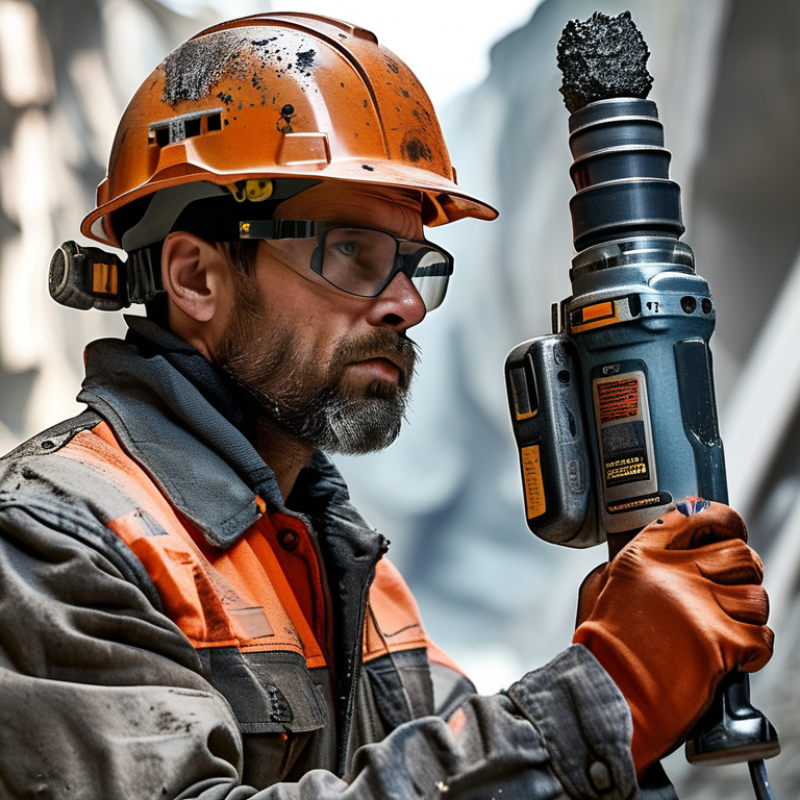
Understanding Handheld Jackleg Drills and Their Uses
Handheld jackleg drills are versatile tools used primarily in mining and construction. They excel at drilling holes into hard surfaces, such as rock and concrete. Their lightweight design allows for easy maneuvering, making them popular among workers in tight spaces. Understanding their operation is crucial for both efficiency and safety.
Proper training is essential before operating a jackleg drill. Make sure you fully understand how to start and stop the machine safely. Use personal protective equipment, including gloves and safety goggles. Your environment matters too; ensure the work area is clear of obstacles. Always check for loose connections and inspect the drill for damages.
When using the drill, maintain a firm grip. This tool can vibrate significantly, so steady control is necessary. Avoid overreaching, as it can lead to accidents. Use the right posture: stand firmly and brace your body. Regular breaks are vital to maintain focus and reduce fatigue. Following these tips can help minimize risks and enhance productivity while using handheld jackleg drills.
Essential Safety Equipment for Operating Jackleg Drills
Operating handheld jackleg drills requires careful attention to safety. Essential safety equipment plays a pivotal role in ensuring a secure working environment. Workers should always wear protective eyewear to shield against debris. Ear protection is also crucial since these drills produce significant noise. Gloves should fit well to maintain dexterity while preventing injury.
Another key piece of equipment is proper footwear. Steel-toed boots can protect feet from heavy falling objects. A hard hat may be necessary in certain environments to guard against head injuries. It’s also wise to use respirators when working in dusty conditions. Each piece of equipment contributes to minimizing risks, yet workers must remain vigilant.
While safety equipment is essential, awareness of surroundings is equally important. Workers should regularly assess their work area for potential hazards. It’s easy to overlook clutter on the ground which can cause slips. Additionally, operators should never work alone when using drills, as a buddy system enhances safety. Reflecting on these points will help create a culture of safety in the workplace.
10 Best Tips for Safe Operation of Handheld Jackleg Drills
Proper Handling Techniques for Safe Operation
Proper handling techniques are crucial for safely operating handheld jackleg drills. Start by wearing the right personal protective equipment (PPE)—safety goggles, gloves, and ear protection are essential. These items can prevent injuries from debris or loud noise. Always maintain a firm grip on the drill. A wandering hand can lead to accidents.
Before using the drill, inspect it for any wear or damage. Damaged equipment can malfunction, causing injury. Use both hands for control. This helps stabilize the drill, especially during operation. Good posture matters too; stand with your feet shoulder-width apart to maintain balance. Avoid overextending your arms, which can increase fatigue and decrease control.
Additionally, positioning yourself correctly can mitigate risks. Keep your body clear of the path of the drill bit. Never rush the operation. Take your time to ensure alignment and stability. If you feel tired, take a break. Fatigue can cloud judgment and lead to mistakes. Reflection on personal limitations can improve safety practices significantly.
Routine Maintenance Tips to Ensure Drill Safety
Routine maintenance is crucial for ensuring the safety of handheld jackleg drills. Regular inspections can prevent accidents. According to a study by the National Institute for Occupational Safety and Health (NIOSH), improper maintenance is linked to over 30% of drill-related injuries. A simple weekly check can catch wear and tear before it becomes dangerous.
Operators should inspect key components like the drill bit and air hoses. A worn bit can cause increased friction and unexpected breakage. Replacing it timely can avert accidents. Additionally, air hoses that show signs of damage should be replaced immediately. The NIOSH report emphasizes that faulty hoses are often overlooked, yet they play a vital role in safety.
Keeping the drill clean is another essential task. After each use, debris can accumulate and affect performance. This cleaning process takes mere minutes. However, skipping it can lead to longer-term issues. Regular maintenance is not just beneficial; it's necessary for safe operations. In truth, many drills fail safety checklists due to incomplete maintenance. Reflecting on current practices can elevate safety standards.
Emergency Procedures and First Aid for Drill-Related Accidents
In high-risk environments, safety protocols are essential. Handheld jackleg drills can be dangerous if not operated correctly. According to a report by the National Institute for Occupational Safety and Health (NIOSH), around 10% of drilling-related injuries are severe. These incidents often require immediate medical attention. Proper emergency procedures can make a difference.
Understanding first aid is crucial for drill-related accidents. Workers should be trained to recognize the signs of injury. For example, if a worker sustains a laceration, apply direct pressure to stop the bleeding. Use clean cloths or bandages when available. In cases of fractures, immobilize the area and avoid moving the injured person until help arrives. Many companies underestimate the importance of first aid training. Regular drills can improve response times.
Emergency contact numbers should be clearly displayed. Delays in communication can worsen injury outcomes. Research shows that every second counts in a medical emergency. Make sure workers know how to reach medical services. It’s also vital to assess the incident scene for further hazards. Ignoring this could lead to more injuries. Reflection on past incidents can lead to improved training and safety protocols.
10 Best Tips for Safe Operation of Handheld Jackleg Drills
| Tip Number |
Safety Tip |
Emergency Procedure |
First Aid Response |
| 1 |
Wear appropriate PPE |
Stop the drill immediately |
Administer first aid for cuts |
| 2 |
Inspect equipment before use |
Tag and isolate defective equipment |
Report findings and suggest further action |
| 3 |
Use proper drilling techniques |
Cease drilling immediately if drill binds |
Check for injuries and assist as necessary |
| 4 |
Maintain a clean work area |
Clear the area of debris |
Attend to any slips or falls |
| 5 |
Secure loose clothing and hair |
Stop the drill immediately |
Check for entrapment and assist |
| 6 |
Stay alert and avoid distractions |
Assess the situation and maintain focus |
Assist injured personnel |
| 7 |
Have a buddy system in place |
Ensure communication with your buddy |
Help evacuate if necessary |
| 8 |
Follow manufacturer guidelines |
Refer to the operation manual |
Guide others on safety protocols |
| 9 |
Report unsafe conditions |
Document and report hazards |
Provide solutions for improvement |
| 10 |
Attend safety training sessions |
Stay updated on training requirements |
Implement learned safety practices |
Conclusion
Operating a handheld jackleg drill safely is crucial to prevent accidents and injuries in various work environments. Understanding the function and appropriate uses of these drills is the first step to safe operation. Essential safety equipment, such as helmets, eye protection, and earplugs, should always be worn. Additionally, mastering proper handling techniques, including maintaining a firm grip and ensuring the drill is stable during use, is vital for safety.
Routine maintenance, like checking for wear and tear and cleaning the equipment, can further enhance safety and performance. It's also important to be familiar with emergency procedures and first aid practices in case of drill-related accidents. By following these guidelines on how to operate a handheld jackleg drill safely, workers can ensure a more secure and efficient working environment.

