When dealing with jackleg drills, one common issue is water flushing blockage. Understanding "How to fix a water flushing blockage in a jackleg drill?" is vital for efficiency and safety on the job site. According to expert John Smith, a drilling engineer with over 15 years of experience, "Addressing water flushing issues promptly can greatly enhance drill performance."
Water flushing blockages can disrupt operations, leading to delays and increased costs. Regular maintenance and awareness of potential problems can help prevent these frustrating situations. Workers may overlook simple signs of blockages until they escalate.
To truly understand these fixes, hands-on experience is invaluable. Each drill has its quirks, and what works for one may not work for another. Keeping a proactive mindset and being prepared to tackle blockages can save time and resources. It's essential to appreciate the nuances of each drilling method.
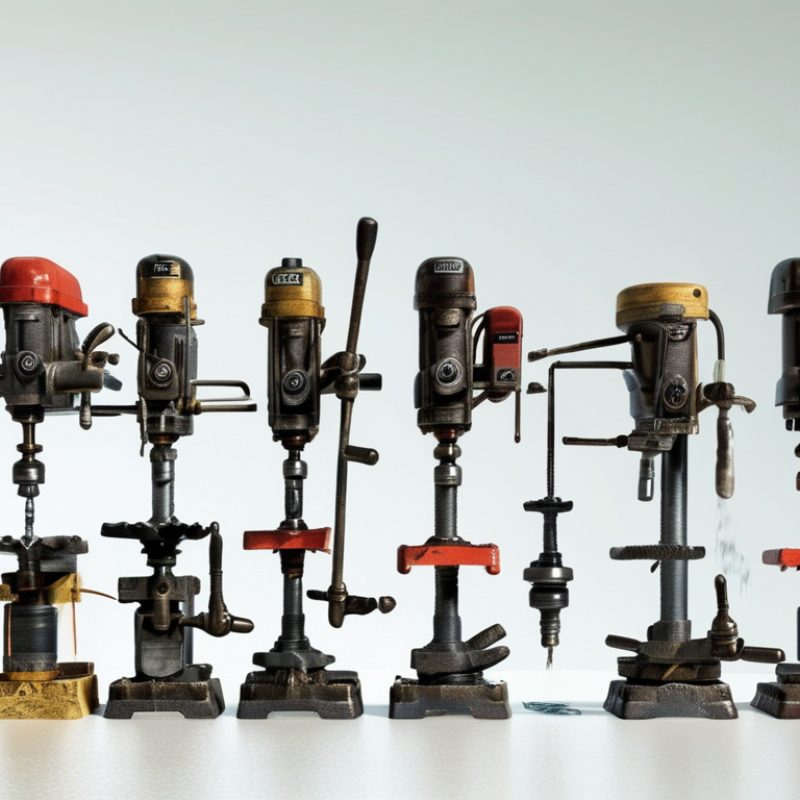
Water flushing blockages in jackleg drills can halt operations and lead to costly downtime. Understanding the common causes is crucial for efficient maintenance and troubleshooting. One prevalent issue is the build-up of debris within the water lines. This can occur from drilling in rocky environments where fragments clog the system. Another cause can be air bubbles trapped in the water supply, which disrupts the flow. Inspecting the water line regularly can prevent many problems.
Tips: Regularly clear your lines. Use clean water to minimize debris. Periodic flushing of the system can quickly alleviate minor blockages.
A faulty pump might also lead to inadequate water flow, causing problems in the flushing process. Ensure all components function correctly. Regular checks on seals and fittings help maintain optimal operation. Sometimes, simply addressing wear and tear can prevent larger issues.
Tips: Replace worn parts immediately. Ignoring them can lead to more severe blockages later on. Keeping spare parts on hand can save valuable time during repairs.
| Method | Description | Common Causes | Recommended Tools |
|---|---|---|---|
| Inspect Water Lines | Check for any blockages or leaks in the water supply lines. | Debris accumulation, leaks | Wrenches, inspection camera |
| Use High Pressure Water Jet | Apply high-pressure water to clear blockages. | Mineral build-up | Pressure washer |
| Regular Maintenance | Schedule routine maintenance checks on equipment. | Wear and tear | Basic toolkit |
| Clear Out Filter | Remove and clean the water filter to ensure fluid flow. | Clogged filter | Screwdriver, cleaning tools |
| Check Pump Functionality | Test the pump to ensure it’s working properly. | Pump failure | Multimeter, wrench set |
| Inspect Hose Connections | Check the connections of hoses for tightness and cracks. | Loose connections | Pliers, hose clamps |
| Replace Worn Parts | Identify and replace any worn or damaged components. | Aging components | Replacement parts |
| Flush System Regularly | Run water flushes periodically to prevent build-up. | Lack of maintenance | Hoses, water supply |
| Utilize Descaling Agents | Apply descaling agents to remove mineral deposits. | Calcium build-up | Descaling solution |
| Consult Professional | Seek help from trained professionals for complex issues. | Severe blockages | N/A |
: Debris build-up in water lines and trapped air bubbles disrupt flow.
Regularly clear lines and use clean water to minimize debris.
Regular inspections can prevent many problems and save costly downtime.
Ensure all components function properly and replace worn parts immediately.
Regular checks maintain optimal operation and prevent blockages.
Clean water lines and jets regularly to avoid accumulation of dirt.
Sudden fluctuations may indicate a developing blockage, allowing for timely action.
Knowledgeable operators identify early signs of trouble and prevent future blockages.
They document schedules and highlight patterns needing attention, ensuring reliability.
Ignoring them can lead to severe blockages and costly repairs later on.
In addressing the question of how to fix a water flushing blockage in a jackleg drill, it is crucial to first identify the common causes of blockages, such as sediment buildup or damaged hoses. Equipping oneself with the essential tools and materials will make the repair process more efficient. The article provides a detailed step-by-step guide to effectively clear these water blockages, ensuring a smoother drilling operation.
Additionally, to prevent future issues, the article emphasizes the importance of regular preventive maintenance, which can help identify potential problems before they escalate. However, if water flushing problems persist despite following these steps, seeking professional help might be necessary to resolve more complex issues. With the right approach and knowledge, maintaining the functionality of a jackleg drill becomes manageable.

