In the drilling industry, pneumatic anchor drilling rigs play a crucial role in various applications. Understanding what are the main components of a pneumatic anchor drilling rig is essential for maximizing operational efficiency. Industry reports show that these rigs are particularly favored for their versatility and effectiveness in challenging terrains.
A pneumatic anchor drilling rig typically consists of key components: the compressor, drill head, and anchor system. The compressor provides the necessary air pressure to power the drilling process, ensuring optimal performance. The drill head is designed specifically for penetration and stability, allowing for precise drilling in various materials. Additionally, the anchor system is pivotal in securing the rig and maintaining structural integrity during operations.
Despite advancements in technology, challenges remain. Operators must regularly maintain equipment to avoid malfunctions. Reports indicate that improper maintenance can reduce efficiency by 30%. Investing in training for personnel also enhances safety and productivity. Understanding these components and their implications for performance is vital for anyone in the drilling sector.
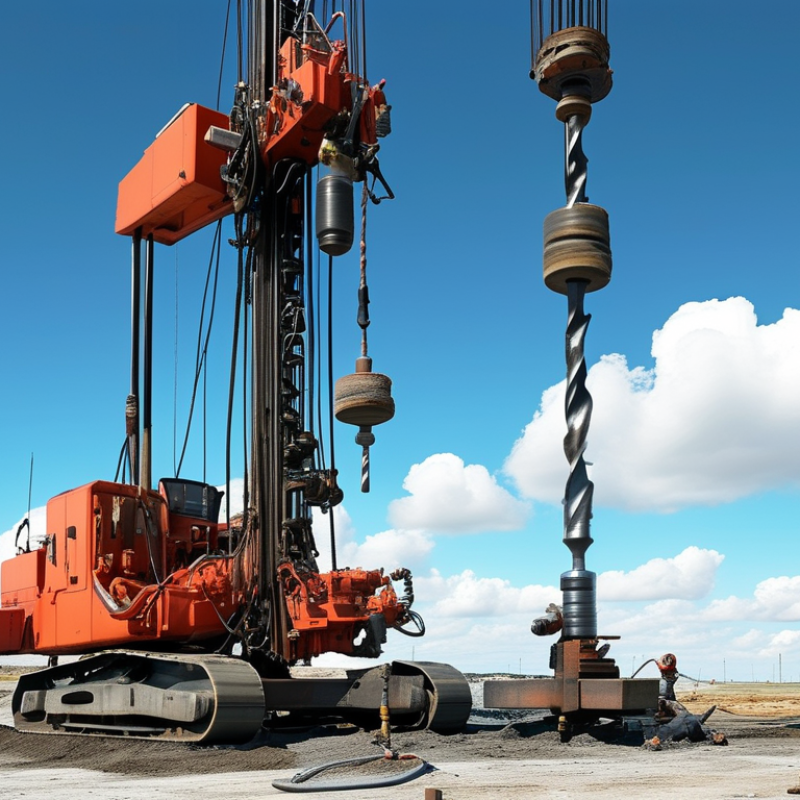
Key Features of Pneumatic Anchor Drilling Rigs
Pneumatic anchor drilling rigs are essential for various drilling applications. They are designed to provide stability and efficiency, particularly in challenging environments. A key feature of these rigs is their use of compressed air, which powers the drilling process. This allows for smoother operation and reduces the risk of overheating.
Another significant component is the customizable drill bit system. These rigs can accommodate different types of drill bits, optimizing performance for specific materials. The choice of drill bit impacts efficiency, drilling speed, and the quality of the anchor installed. Maintaining the right bit is crucial for effective operation.
Pneumatic anchor drilling rigs also include safety features. Proper ventilation systems ensure that workers are not exposed to harmful dust. Regular maintenance is necessary to prevent mechanical failures. These aspects highlight the need for experienced operators to handle the rig correctly. Without proper expertise, efficiency may drop, and safety could be compromised.
Components of the Pneumatic System in Drilling Rigs
Pneumatic anchor drilling rigs rely heavily on their pneumatic systems. These systems comprise several key components that ensure efficient drilling operations. Compressed air is the main driving force in these rigs. It powers various tools, making them versatile in different drilling environments. According to industry reports, pneumatic systems can increase drilling speed by up to 35%. This efficiency can significantly optimize project timelines and reduce costs.
The air compressor is crucial for providing the needed pressure. It converts mechanical energy into compressed air, which is stored in a tank. Regulators manage this pressure, ensuring that the drill operates within optimal limits. Air hoses connect the compressor to the drilling rig, delivering the compressed air where it’s most needed. Besides, exhaust silencers minimize noise levels, making work environments safer and more comfortable. Industry analysis shows that proper maintenance of these components is vital. A breakdown in the pneumatic system can lead to costly downtime.
Yet, challenges remain. The reliance on compressed air requires regular monitoring of leaks and pressure inconsistencies. This oversight ensures that air efficiency stays high. Technicians must also understand the complexity behind these systems. Without solid knowledge, operations can face setbacks. On average, a 5% leak can cause a 20% loss in efficiency. Hence, continuous training is essential for personnel operating these rigs. The balance between innovation and proper maintenance remains crucial in today's drilling landscape.
Key Components of a Pneumatic Anchor Drilling Rig
Drilling Mechanisms and Techniques Used in Anchor Rigs
Pneumatic anchor drilling rigs employ various drilling mechanisms that significantly enhance their efficiency. These systems typically integrate rotary and percussion drilling techniques. The rotary mechanism enables continuous drilling by rotating the drill bit. This operational style increases penetration rates. According to a recent industry report, pneumatic systems can achieve up to 50% faster drilling speeds compared to traditional methods.
Percussion drilling adds another layer of efficiency. This technique uses rapid impacts to break rock. It works effectively in hard rock formations. Data from industry sources indicate that using percussion can reduce drilling time by 30%. However, this high-impact drilling can cause wear on drill bits, leading to increased maintenance. Operators must balance the speed and wear rates for optimal performance.
User feedback emphasizes the importance of proper technique management. Many note that ineffective use of these mechanisms can lead to inefficiencies. Drillers must consistently evaluate their methods to ensure they are not sacrificing long-term performance for speed. A thorough understanding of both rotary and percussion drilling allows operators to harness the full potential of pneumatic anchor rigs.
Safety Features in Pneumatic Anchor Drilling Operations
Safety features in pneumatic anchor drilling operations are crucial for efficient and secure project execution. Pneumatic anchor drilling rigs often operate in challenging environments, making safety a top priority. Metal guards are typically installed to shield operators from moving parts. This protects personnel from accidental injuries while the rig is in use. Operators must also wear appropriate personal protective equipment (PPE) to lessen risks.
Another vital safety feature is the pressure regulation system. This system helps prevent the pneumatic pressure from exceeding safe levels. If the pressure becomes too high, the system can trigger a shutdown. Regular maintenance checks on this system are essential. However, sometimes overlooked, these checks can save lives.
Training is another important aspect of safety. Operators should undergo thorough training to understand the rig's features. It is not just about operating the machinery but also about recognizing potential hazards. Mistakes happen, and retraining should be part of the safety protocol. Encouraging a culture of safety awareness can lead to improved outcomes in pneumatic anchor drilling operations.
What are the key components of a pneumatic anchor drilling rig? - Safety Features in Pneumatic Anchor Drilling Operations
| Component |
Description |
Safety Feature |
| Air Compressor |
Provides compressed air needed for drill operation |
Pressure relief valve to prevent overpressurization |
| Drilling Rig Frame |
Supports the entire rig and withstands operational stresses |
Robust design with stability features to prevent tipping |
| Drill Bit |
Cuts through the material to create a hole |
Material selection reduces risk of fracture during drilling |
| Control System |
Manages the operations of the pneumatic rig |
Emergency stop button for quick shutdown |
| Hoses and Connectors |
Transport air to the drill and hydraulic systems |
Burst-resistant materials to prevent blowouts |
| Safety Guards |
Protects moving parts and operators |
Interlocked systems that shut down operations if doors are opened |
Maintenance and Care for Pneumatic Anchor Drilling Equipment
Pneumatic anchor drilling equipment requires diligent maintenance to ensure effective performance and prolong its lifespan. Regular inspections of air hoses and connections are crucial. They should remain free from cracks and leaks. Inadequate air supply can lead to inefficient drilling. Moreover, keeping the filters clean improves air quality, thus enhancing drilling efficiency.
Lubrication plays a significant role in the care of pneumatic tools. Operators should frequently check the lubrication systems. Neglected lubrication can result in increased wear and tear, leading to equipment failure. Research indicates that up to 30% of maintenance issues arise from poor lubrication practices. Therefore, it is vital to ensure that all moving components are well-lubricated, allowing them to operate smoothly.
Operators should also adhere to a strict cleaning regime. Accumulated dust and debris can hinder the performance of the drilling rig. According to industry reports, regular cleaning can reduce repairs by nearly 20%. It’s a reminder that even small maintenance tasks can have a big impact on operational success and cost. Regular care can prevent unexpected breakdowns and support continuous productivity.
Conclusion
Pneumatic anchor drilling rigs play a crucial role in various construction and geological projects. To understand what are the main components of a pneumatic anchor drilling rig, one must consider several key features: the pneumatic system that powers the rig, the drilling mechanisms, and the safety measures implemented during operations. The pneumatic system comprises compressors, valves, and hoses that function together to provide the necessary air pressure for optimal drilling performance.
Moreover, the drilling techniques employed in pneumatic anchor rigs, such as rotary and percussive drilling, ensure efficiency and precision. Safety features like emergency shut-off systems and pressure monitoring are essential for maintaining a safe work environment. Finally, routine maintenance and care of the pneumatic anchor drilling equipment are imperative to ensure longevity and reliability, prompting operators to adhere to maintenance schedules and protocols for peak operational performance.

