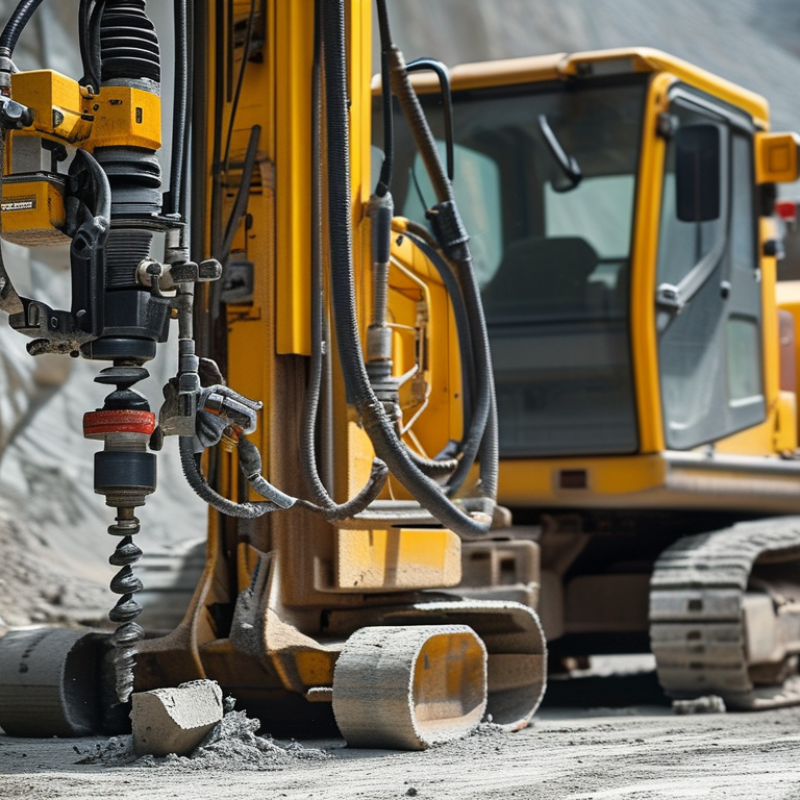
Pneumatic vs Hydraulic Anchor Drilling Rigs Which Is Better?

Time:2026-09-14 Author:Sophia
0%

Choosing an anchor drilling rig affects safety, productivity, maintenance, and project cost. The decision becomes difficult when pneumatic and hydraulic systems appear equally capable. Both can drill reliable anchor holes, but they behave differently in real working conditions. Ground hardness, access space, compressor capacity, water availability, and operator experience all matter.

Why choose pneumatic anchor drilling rigs over hydraulic ones? Pneumatic rigs often suit rugged sites where simple maintenance matters. Their air-powered systems can tolerate dusty conditions and provide useful cooling during continuous drilling. In underground headings or narrow slopes, a compact pneumatic rig may reach locations that larger hydraulic equipment cannot. The drill steel strikes firmly, while compressed air helps clear cuttings from the hole. That practical detail can reduce blockages.

Dr. S. K. Haldar, a recognized mining and exploration engineering author, offers a useful principle: “Drilling equipment should match the ground conditions and operating environment, not personal preference.” His point deserves attention. Pneumatic equipment is not automatically better. It needs a dependable compressor, clean air lines, and careful moisture control. Noise can also become tiring near the operator.

Hydraulic rigs usually deliver stronger control, smoother feed pressure, and better energy efficiency in demanding production work. Yet their pumps, hoses, and valves may require more technical servicing. A small leak can slow the entire shift.

The honest answer is conditional. Choose pneumatic systems for rugged simplicity and confined access. Choose hydraulic systems for high control and intensive output. Measure the site first. Then compare the machines. Even experienced teams can overlook compressor fuel use, hose length, or local service support. That is where a careful evaluation becomes more valuable than a quick preference.

Pneumatic vs Hydraulic Anchor Drilling Rigs Which Is Better?

How Pneumatic and Hydraulic Anchor Drilling Rigs Work

Pneumatic and hydraulic anchor drilling rigs create drilling force in different ways. A pneumatic rig uses compressed air to power the rotation motor and impact hammer. Air travels through hoses to the drill head, where pressure drives rapid piston movement. The exhaust air helps clear dust and broken rock from the hole. This design performs well in dry, rugged locations, especially where simple maintenance matters.

Hydraulic rigs use pressurized oil from a pump and engine. The oil controls rotation, feed pressure, and impact energy through separate hydraulic circuits. Operators can adjust these functions more precisely while drilling through changing ground layers. A hydraulic feed cylinder pushes the rod forward at a controlled rate. This helps maintain a steady hole angle and reduces unnecessary vibration. The machine also handles deeper drilling with greater control.

Field conditions often decide which system works better. Pneumatic rigs can tolerate rough handling, but air leaks quickly reduce drilling performance. Hydraulic rigs usually offer stronger control, yet contaminated oil can damage valves and pumps. I have found that operators sometimes focus too much on maximum power. That judgment is not always right. A smaller rig with stable feed pressure may produce straighter anchor holes. Check hose condition, pressure readings, rod alignment, and dust control before each shift. Small faults become expensive underground. Efficiency depends on geology, access, maintenance skill, and the accuracy required for the anchor installation.

Key Differences Between Pneumatic and Hydraulic Drilling Systems

Pneumatic vs Hydraulic Anchor Drilling Rigs: Which Is Better?

The answer depends on ground conditions, hole diameter, and available energy.

Pneumatic rigs use compressed air to drive the drill motor and clear cuttings. They are rugged, mechanically simple, and useful where water management is difficult. Air-powered systems also tolerate some dust and vibration.

However, pressure falls through long hoses. The U.S. Department of Energy’s Compressed Air Sourcebook reports that leaks can waste 20–30% of compressor output. That loss becomes noise, heat, and fuel cost at the jobsite.

Pneumatic exhaust may also disturb dust without water injection or proper ventilation. Not ideal underground.

Hydraulic rigs transfer power through pressurized fluid. They usually deliver stronger torque, steadier feed force, and finer control in hard rock. That control can improve anchor alignment and reduce rod shock.

The National Fluid Power Association identifies contamination as a major cause of hydraulic failures, commonly associated with 70–80% of failures in industry guidance. Clean filters and temperature checks are essential.

Hydraulic systems are often more efficient at the drill head, but pumps, hoses, and coolers add weight and maintenance. It feels simple. It is not. A neglected hydraulic rig can perform worse than a well-maintained pneumatic unit.

Field records should compare penetration rate, compressor fuel use, hose losses, maintenance hours, and borehole deviation before choosing.

Comparing Drilling Power, Speed, and Depth Performance

Pneumatic vs Hydraulic Anchor Drilling Rigs: Which Is Better?

When comparing anchor drilling rigs, drilling power depends on more than rated pressure. Hydraulic systems usually deliver stronger torque and steadier feed force in hard rock. This control helps the bit maintain contact through dense limestone or fractured concrete. Pneumatic rigs can still perform well, especially with clean air supply and properly matched drilling tools. Field experience shows that pressure loss can quickly reduce pneumatic impact energy.

Speed changes with ground conditions. A pneumatic rig often starts quickly and handles short anchor holes with less setup. Its lighter components may also simplify movement around narrow construction areas. Hydraulic rigs can drill faster through resistant formations because their feed force remains stable. However, slow hydraulic flow or an undersized pump can erase that advantage. The machine may sound powerful, yet the bit advances poorly.

Depth performance requires careful judgment. Hydraulic rigs commonly maintain better control in deeper holes, where rod weight and friction increase. Pneumatic drilling may lose efficiency when hoses are long, airflow is restricted, or dust removal is weak. A 150-millimeter anchor hole in soft ground may favor speed, while a 20-meter hole in hard rock demands sustained torque and flushing. Operators should record penetration time, air pressure, hydraulic temperature, and bit wear. One comparison I would not ignore is maintenance access; the “better” rig can become less productive when daily inspections are skipped.

Evaluating Operating Costs, Maintenance, and Safety

Pneumatic vs Hydraulic Anchor Drilling Rigs: Which Is Better?

Operating cost depends heavily on the site, power source, and drilling cycle. Pneumatic rigs usually need less fluid management, but compressors can consume substantial fuel or electricity. Hydraulic rigs often deliver smoother torque and better control. However, pumps, hoses, seals, and filters require regular attention. A small hydraulic leak can stop work and contaminate the drilling area.

Maintenance planning changes the real cost. Pneumatic systems need air-line checks, moisture removal, and lubrication. Hydraulic systems demand clean fluid, scheduled filter replacement, and careful pressure testing.

In dusty ground, both systems suffer when operators delay inspections. This happens more often than it should. Safety also requires different controls. Compressed air can release violently from damaged lines. Hydraulic pressure can inject fluid through tiny skin punctures. Noise, vibration, heat, and unstable ground add further risks.

Tips: Record fuel, electricity, spare parts, and downtime separately. Inspect hoses before every shift. Keep guards and emergency shutoffs accessible. Train workers to release stored pressure before maintenance. Choose the system that matches available energy and technical support, not only the purchase price. A cheaper rig may become expensive after repeated delays. Regular inspection is simple, but it is easily neglected.

Choosing the Right Anchor Drilling Rig for Different Conditions

Choosing between pneumatic and hydraulic anchor drilling rigs depends on ground conditions, access, and the crew’s working environment. A pneumatic rig suits remote sites where compressed air is available and equipment weight matters. It performs well in fractured rock and narrow locations. However, the compressor must deliver stable pressure. Dust can also reduce visibility and increase maintenance demands.

Hydraulic rigs provide stronger, smoother control in dense soil, hard rock, and deeper anchoring work. Their power helps maintain drilling pressure when the hole meets changing layers. They are often better for projects requiring accurate angles and consistent feed speed. Wet sites may favor hydraulics because dust control is easier. Yet hydraulic systems need clean fluid, careful hose inspection, and a reliable power source.

Site access remains decisive. A compact pneumatic rig may reach a hillside path that larger hydraulic equipment cannot. In urban work, lower vibration and precise control may be more valuable than maximum output. Crews should check hole diameter, anchor length, rock strength, water conditions, and daily drilling volume before choosing. I have seen teams select equipment by power alone, then struggle with transport and setup. That mistake is easy to repeat. A short field trial can reveal problems that technical sheets miss. Safety procedures, operator training, and regular inspection should influence the decision as much as drilling speed.

FAQS

Which rig provides stronger drilling power in hard rock?

Hydraulic rigs usually provide steadier torque and feed force in hard rock. Dense limestone exposes this difference. Pneumatic rigs can still perform well with clean air and matched tools.

Which system drills anchor holes faster?

Speed depends on ground conditions. Pneumatic rigs often start quickly and suit short holes. Hydraulic rigs may advance faster through resistant rock. A weak pump can remove that advantage.

Which rig performs better at greater depths?

Hydraulic rigs commonly maintain better control in deep holes. Rod weight and friction increase with depth. Long air hoses can reduce pneumatic efficiency.

How do hole size and ground affect the choice?

A 150-millimeter hole in soft ground may favor a lighter pneumatic rig. A 20-meter hole in hard rock needs sustained torque and flushing. Conditions matter more than impressive ratings.

Which system costs less to operate?

Pneumatic rigs may simplify fluid management, but compressors can consume significant fuel or electricity. Hydraulic rigs may drill smoothly, yet pumps, seals, filters, and hoses need care. The cheaper option is not always cheaper.

What maintenance does each drilling system require?

Pneumatic equipment needs air-line checks, moisture removal, and lubrication. Hydraulic equipment needs clean fluid, filter replacement, and pressure testing. Dust damages both systems when inspections are delayed.

Which rig suits narrow or remote work areas?

Compact pneumatic equipment may move more easily along narrow hillside paths. Hydraulic equipment can suit wet sites and precise urban drilling. Transport and setup can outweigh raw drilling power.

What safety checks should crews complete before drilling?

Inspect hoses before every shift. Keep guards and emergency shutoffs accessible. Release stored pressure before maintenance. Compressed air, hydraulic pressure, noise, heat, and unstable ground all require controls.

How can a crew compare rigs before purchasing?

Record penetration time, air pressure, hydraulic temperature, bit wear, fuel, electricity, and downtime. Run a short field trial. Technical sheets can miss awkward access, slow setup, or poor dust removal.

Conclusion

Pneumatic and hydraulic anchor drilling rigs use different power systems to convert energy into drilling force. Pneumatic rigs rely on compressed air to drive the drilling mechanism, while hydraulic rigs use pressurized fluid for smoother and more controlled power transmission. The main differences involve drilling torque, operating speed, achievable depth, control precision, and suitability for specific ground conditions. Hydraulic systems often provide strong, consistent force for demanding formations and deeper drilling, whereas pneumatic systems can offer fast performance, simpler operation, and effective debris removal in suitable environments.

Why choose pneumatic anchor drilling rigs over hydraulic ones? They may be the better option when portability, straightforward maintenance, lower system complexity, and reliable operation in dusty or remote locations are priorities. Hydraulic rigs can deliver greater control and power but may involve higher maintenance requirements and more complex components. Selecting the right rig depends on soil and rock conditions, required drilling depth, available energy sources, operating costs, safety needs, and the accessibility of the worksite.

Sophia

Sophia

Sophia is a dedicated marketing professional with an exceptional depth of knowledge about her company's products and services. With a keen understanding of market trends and customer needs, she crafts insightful blog posts that not only inform but also engage readers, enriching the company’s online......