In the mining industry, the installation of friction bolts using a pneumatic roof bolter is crucial for maintaining safety. Research from the National Institute for Occupational Safety and Health emphasizes that effective roof support can reduce the risk of roof falls by over 80%. In a field where risks are high, precision and reliability are essential.
Experts like Dr. Emily Carter, a leading authority on underground support systems, state, “Understanding how to install a friction bolt using a pneumatic roof bolter is key to ensuring mine stability.” This highlights the importance of proper training and technique in this specialized task. Each step of the installation process requires attention to detail and a deep understanding of equipment functionality, as even minor mistakes can lead to significant hazards.
The installation process not only demands technical skills but also reflects on the broader commitment to enhancing workplace safety. As new technologies evolve, continuous reevaluation of methods is necessary. The focus must remain on improving safety protocols and training to achieve the highest standards in underground operations.
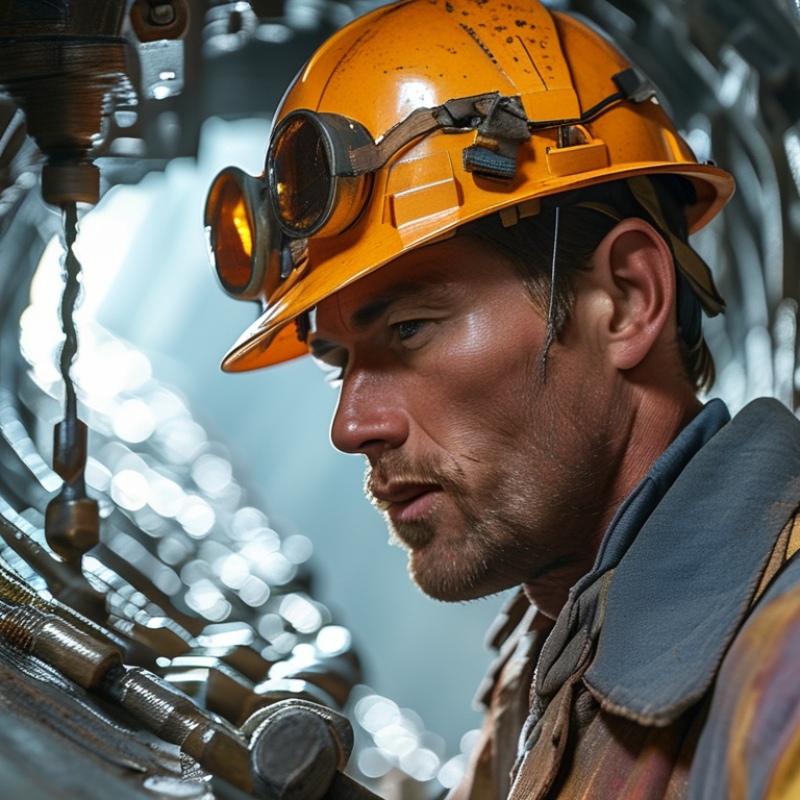
Pneumatic roof bolters are essential in mining and construction. They provide stability and safety in underground environments. Using compressed air, these machines drive bolts into rock formations. This process supports roof integrity, reducing cave-ins.
Understanding how these machines work is crucial. Operators must know the mechanics behind pneumatic systems. Proper training can significantly impact efficiency and safety. Regular maintenance is vital for reliable performance. Neglecting this can lead to unexpected breakdowns, causing operational delays.
Even experienced operators face challenges. Factors like rock quality and condition can affect bolt installation. Each site presents unique obstacles. Collaborating with a team can enhance problem-solving. Open communication is necessary to adapt to these changes. A thorough understanding of both equipment and site conditions leads to more successful outcomes.
Preparing the worksite for friction bolt installation is crucial for safety and efficiency. A clean and organized space reduces the risk of accidents.
According to the Mine Safety and Health Administration (MSHA), over 30% of mining accidents are related to improper worksite conditions. Therefore, addressing these issues is vital.
Ensure the area is free from debris and clearly marked to guide workers.
Evaluate the existing roof conditions before installation. Conduct a thorough geological assessment to identify potential hazards. Reports suggest that unexpected roof falls lead to significant production delays.
Consider testing rock integrity and using real-time monitoring systems. These steps can enhance safety and inform installation techniques.
Documentation is essential in this preparation phase. Keep records of inspections, assessments, and maintenance tasks. This accountability fosters a culture of safety.
Share these findings with your team, as transparency can prevent errors. Regular training sessions that emphasize safe practices can further improve worksite conditions.
A proactive approach in preparation ultimately enhances both productivity and safety.
Selecting the appropriate friction bolt and accessories is crucial for effective roof support in mining operations. Friction bolts, often made of steel, provide essential stability. Choosing the right diameter and length affects load-bearing capacity. It's essential to assess the mine's geological conditions. A thorough understanding of rock types and structure aids in this selection.
Alongside bolts, consider necessary accessories like resin capsules or expanding anchors. These components enhance grip and ensure better performance. Installation tools must be compatible; pneumatic roof bolters should fit seamlessly with chosen accessories. Failure to match tools can lead to inefficient installation and potential safety hazards.
Regular inspections of both bolts and accessories are vital for long-term stability. Over time, wear can occur, affecting performance. Keeping a close watch on the condition of installed bolts helps in timely replacements. Observing patterns in failures may reveal common site issues, prompting adjustments in future selections.
Installing a friction bolt with a pneumatic roof bolter requires careful attention to detail and safety. The process begins with site preparation and ensuring the bolter is in optimal condition. Data from the Mine Safety and Health Administration (MSHA) highlights that improper installation can lead to serious safety hazards in mining operations.
Inspecting the roof conditions and selecting the right bolt type for your geological environment is essential.
Once the equipment is ready, precision is key. Align the bolter correctly to ensure that the bolt penetrates at the specified angle. Studies show that correct installation angles improve the friction capacity, which is critical for roof stability. Workers should monitor air pressure during the installation to maintain consistent force.
After inserting the bolt, it's important to verify its grip strength. Some installations may fail if the bolt doesn't achieve optimal torque. Regular training and updates in techniques can enhance workers' expertise. Safety measures must always be a priority, as reported incidents underscore the risks in the industry. Ultimately, ongoing assessments and adjustments to processes will yield better results.
When installing friction bolts with a pneumatic roof bolter, safety is paramount. According to the Mine Safety and Health Administration (MSHA), nearly 80% of incidents during rock bolting are due to operator errors or equipment malfunction. Workers must be trained extensively to ensure they understand the mechanics involved. Proper training can reduce accidents significantly, contributing to a safer working environment.
Before beginning the installation process, it is crucial to ensure all safety equipment is in place. This includes helmets, gloves, and protective eyewear. The area should be inspected for hazards such as loose rock or water accumulation. Recent industry reports suggest that a thorough pre-operation safety check can decrease injury rates by up to 25%. Workers must also communicate effectively, especially in high-noise environments. Use clear signals to indicate when equipment is in operation.
Additionally, regular maintenance of pneumatic bolters is essential. Neglected equipment can lead to malfunctions and potential injury. It is suggested that operators perform daily checks. Documentation of equipment status can provide insights into any recurring issues. This practice allows for reflection on safety protocols and continuous improvement.
| Step | Description | Safety Precautions |
|---|---|---|
| 1 | Prepare the work area and ensure it is free from hazards. | Wear appropriate PPE including helmets and gloves. |
| 2 | Inspect the pneumatic roof bolter for functionality. | Check for leaks and ensure all components are secure. |
| 3 | Set up the friction bolt and ensure it is correctly aligned. | Avoid placing hands near moving parts during setup. |
| 4 | Position the pneumatic roof bolter at the installation site. | Ensure a safe distance from the bolter's moving components. |
| 5 | Activate the pneumatic system to begin installation. | Ensure others are at a safe distance from the work area. |
| 6 | Monitor the installation process closely for any issues. | Be prepared to turn off the machine in case of emergency. |
| 7 | Once the bolt is secured, deactivate the system. | Use caution when removing tools from the work area. |
| 8 | Inspect the installed bolt for proper fit and stability. | Wear protective eyewear during inspection. |
| 9 | Clean the work area and remove any debris. | Follow waste disposal regulations for materials used. |
| 10 | Conduct a debriefing to discuss the installation process. | Encourage feedback on safety protocols observed. |
: A clean worksite reduces accidents and enhances safety. Improper conditions can lead to over 30% of mining accidents.
Evaluate roof conditions and conduct a geological assessment to identify potential hazards, ensuring safe installation.
Testing can involve using real-time monitoring systems to assess the roof’s stability before installation.
Keep records of inspections, assessments, and maintenance to promote accountability and safety culture among workers.
Proper training on equipment can reduce accidents significantly, ensuring a safer working environment during installation.
Workers must wear helmets, gloves, and protective eyewear, ensuring all safety measures are in place before starting.
Use clear signals in high-noise environments to indicate when equipment is in operation, enhancing worker safety.
Regular maintenance checks for pneumatic bolters are necessary to prevent malfunctions and ensure safe operation.
Documented equipment status allows teams to identify recurring issues and enhance safety measures over time.
Unexpected roof falls and poor preparation can lead to significant delays during the installation process.
In the article "Top 10 Steps to Install a Friction Bolt with a Pneumatic Roof Bolter," key steps are outlined to guide operators through the installation process. It begins with an understanding of pneumatic roof bolters and their specific applications in enhancing mine safety. Preparing the worksite properly is crucial, as it lays the groundwork for a successful installation.
Selecting the appropriate friction bolt and its accessories is essential to ensure compatibility and effectiveness. The article details a step-by-step installation process, emphasizing proper techniques and tools. Furthermore, it highlights important safety precautions that must be adhered to during the installation to protect workers and maintain operational efficiency. Overall, this guide effectively answers the question of how to install a friction bolt using a pneumatic roof bolter while prioritizing safety and preparation.
