Air leakage in pneumatic cylinders is a common issue that can significantly affect operational efficiency. According to a report by the International Fluid Power Society, leaks can lead to a 20-30% increase in energy costs. Therefore, addressing these leaks is crucial for maintaining a cost-effective system.
Experts like John Smith, a veteran in the field of pneumatic systems, emphasize the importance of regular maintenance. He states, "Understanding how to troubleshoot air leakage in a pneumatic leg cylinder can save both time and money." His insight highlights the need for systematic approaches in identifying and fixing leaks.
The intricacies of air leakage require careful attention. Cylinders can show signs of wear and tear over time, causing inefficiencies. By utilizing effective troubleshooting techniques, operational downtime can be minimized. Identifying the source of leaks ensures better performance and reliability in pneumatic applications.
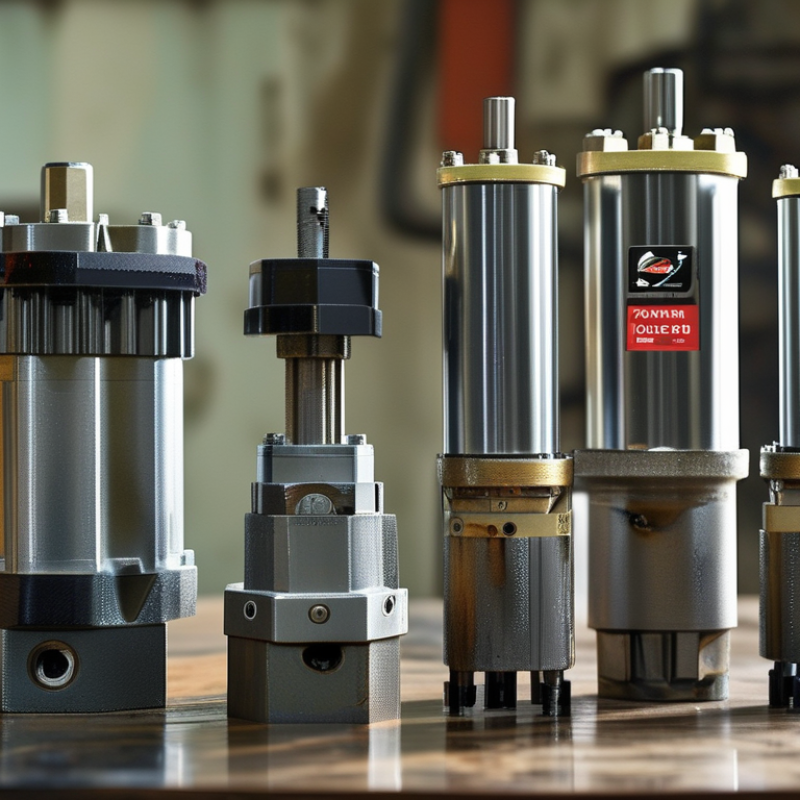
Air leakage in pneumatic cylinders can lead to inefficiencies in machinery. Identifying symptoms early is crucial. Common signs include inconsistent cylinder movement or slower actuation times. Additionally, a noticeable hissing sound often indicates escaping air. Remember, an audible sound may not always mean a severe issue, but it should prompt further inspection.
When troubleshooting, examine all connections. Loose fittings can easily allow air to escape. Check for visible wear on hoses or seals. A tear in a hose may seem minor, but it can significantly affect performance. If components feel wet, it could mean condensation or oil leakage, signaling a need for maintenance.
Consider monitoring pressure levels often. Drastic drops in pressure can reveal underlying problems. Ensure that the system is set to optimal levels for seamless operation. Regular inspection routines may uncover issues early, preventing costly repairs later. An ounce of prevention is worth a pound of cure.
Pneumatic cylinders are essential in various industrial applications, providing motion and force through compressed air. Understanding their components is vital for effective troubleshooting. Key parts include the cylinder barrel, piston, and seals. A study from the International Fluid Power Society reveals that about 30% of pneumatic cylinder failures stem from seal degradation. This emphasizes the importance of regular maintenance and timely replacement of worn seals.
The functionality of pneumatic cylinders relies on precise air control. Air leakage can significantly affect performance. According to the Air Compression Association, even a minor leak can result in a 20% drop in efficiency. Identifying the source of leaks is crucial. One common area to inspect is the piston seal, which can wear out due to friction and contaminants. Checking for smooth operation is essential, as sluggish movement often indicates air leakage issues.
Regular inspections should include checking connections and fittings. The integrity of these areas affects overall performance. In practice, operators should be aware that environmental factors, like temperature changes, may impact seal performance. Therefore, a proactive approach is necessary. Adopting a routine inspection schedule can prevent small issues from escalating into significant downtime.
Inspecting pneumatic cylinder seals is crucial for identifying air leakage issues. Begin by visually examining the seals for any visible damage. Look for signs of wear, such as cracks or abrasions. Such damage can significantly affect the seal's performance. Using a flashlight can help you spot small defects that are not easily visible.
Next, perform a tactile check by running your fingers along the seal. This can reveal irregularities that might indicate a problem. Ensure the cylinder is clean and free from debris. Dust and dirt can cause additional wear, leading to leakage. A well-maintained cylinder will perform better and extend its lifespan.
Lastly, consider conducting a pressure test. This involves applying pressure to the cylinder and observing any air escape. It’s a direct way to detect leaks. If your cylinder continues to leak, you may need to replace the seals. Mismatched seals can also lead to issues. Always ensure you select compatible seals for your specific cylinder model. Regular inspection and maintenance can prevent leaks and costly repairs.
Diagnosing air leakage in pneumatic cylinders can be tricky. Identifying the exact location of the leak is essential. One effective method involves using soapy water. Spray the solution on the cylinder's surface and joints. If bubbles form, you have identified a leak. This technique is straightforward and requires minimal tools.
Another approach is to use a pressure gauge connected to the cylinder. Monitor the pressure over time. A noticeable drop indicates a leak. You can also consider listening closely for hissing noises, which might signal escaping air. Visual inspections are vital too. Check for signs of wear or damage on seals and fittings.
Regular maintenance is crucial for pneumatic systems. Replace worn-out seals promptly. Keeping a log of performance issues will help in understanding patterns. Reflect on whether workplace conditions contribute to air leakage. Over time, this builds a clear understanding of your system's health. Detecting leaks early prevents extensive damage and costly repairs down the road.
Air leakage in pneumatic systems can lead to significant inefficiencies. Research indicates that up to 30% of compressed air usage can be lost due to leaks. This not only escalates operational costs but also contributes to increased carbon footprints. Implementing preventative measures is essential for minimizing air leakage and enhancing system reliability.
Regular maintenance is crucial. Performing routine inspections can help identify wear and tear on seals and gaskets. Experts suggest that replacing worn-out components can reduce leakages by as much as 50%. Additionally, maintaining optimal pressure levels prevents excessive wear on pneumatic parts. A drop in pressure can often exacerbate leak issues.
Training personnel on best practices further minimizes risks. Many leaks occur due to improper handling or assembly. Providing staff with proper education can significantly improve maintenance practices. Utilizing leak detection technologies is another effective strategy. These tools can identify even the smallest leaks, enabling timely interventions. While it's easy to overlook these factors, consistent focus on maintenance and staff training can greatly enhance system performance.
: Look for visible damage, like cracks or abrasions. Use a flashlight for small defects.
Run your fingers along the seal to check for issues. Consider this a sign of potential problems.
Dust and dirt can increase wear. Keeping it clean helps maintain performance and longevity.
Apply pressure to the cylinder and observe for air escaping. This is an effective leak test.
If leaks persist, consider replacing the seals. Ensure the new seals are compatible with your model.
Use soapy water to spray on the joints. Bubbles indicate a leak. It requires minimal tools.
Use a pressure gauge to track pressure. A noticeable drop might signal a leak.
Regular checks prevent extensive damage and costly repairs. Log performance issues to spot patterns.
Reflect on if workplace conditions affect your system. Understanding the environment helps maintain system health.
Regularly practice and reflect on inspection techniques. Learning from each check leads to better outcomes.
In the quest to understand how to troubleshoot air leakage in a pneumatic leg cylinder, it is essential first to identify common symptoms that indicate an issue, such as loss of pressure or unexpected movements. Familiarizing oneself with the components and functionality of pneumatic cylinders helps diagnose problems more effectively.
A step-by-step guide to inspecting the seals within the cylinder is crucial, focusing on any wear or damage that could be causing air leakage. Various techniques for testing and diagnosing the leakage issues, including pressure tests and visual inspections, can offer insights into the potential sources of problems. Finally, implementing preventative measures will minimize air leakage in pneumatic systems, ensuring consistent and efficient operation.
