Explore E-Way Machine’s engineered drilling tools, prospecting systems, and precision structural parts deployed across global extraction operations.
An authoritative analysis of geological diagnostics, material characterization, and high-precision extraction equipment integration in modern mining operations.
In the contemporary global extraction sector, the synthesis of analytical instruments for mining and high-durability drilling machinery represents the primary threshold of operational profitability. Deep-ore exploration requires not only mechanical force but also precise geochemical and geophysical diagnostics. Today's mining projects depend on continuous data feedback loops. These loops bridge real-time subsurface profiling with long-lasting percussion and rotary drilling implements.
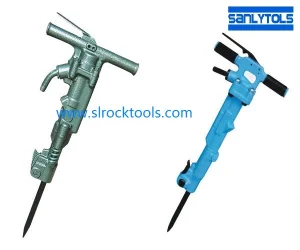
Analytical instruments in mining—such as Induced Polarization (IP) prospectors, elemental analyzers, and geotechnical monitoring sensors—are no longer isolated laboratory assets. Modern operations require these tools to run directly at the drill face. They must withstand immense physical shocks, dust, moisture, and extreme temperature fluctuations. Under these conditions, the boundary between analytical instruments and heavy mechanical tooling disappears. Mining operators require rock drill rods, down-the-hole (DTH) rigs, and ground anchors designed to meet precise structural specifications. This level of precision is necessary to ensure consistent drilling depths and clean geological core retrieval.
Effective mineral identification and water discovery require highly sensitive electronic circuitry. Similarly, hard-rock drilling demands high-fatigue-strength alloys (such as premium 22SiMnCrNi2Mo steel). When geological detectors accurately identify water or mineralized veins, the drilling tools must execute the excavation without micro-fracturing or dimensional deviations. High-precision CNC milling and automated thermal treatments are critical steps to prevent premature tool wear in underground environments.
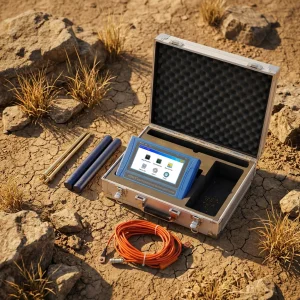
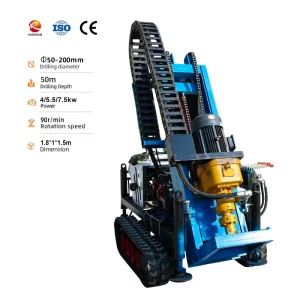
From a global commercial standpoint, the demand for analytical and excavation equipment is shifting toward unified telemetry. Field operators must evaluate mineral grades and water tables immediately on site. The TC150 Digital IP Prospecting Instrument is designed specifically for this purpose. It replaces slow, traditional drilling assays with real-time subsurface mapping. This immediate feedback helps engineers optimize drill patterns, prevent aquifer blowout, and allocate heavy drilling machinery, such as hydraulic crawler DTH rigs, more efficiently.
The global mining industry is undergoing a digital transition. Key trends include the use of real-time multi-electrode resistivity tools, field-deployable XRF instruments, and automated geological modeling. Advanced mining companies are reducing laboratory cycle times by integrating sensory analysis directly into the drilling assemblies. This setup allows them to gather structural data while drilling is in progress. The modern mine is an automated, data-connected system. In this environment, heavy machinery and precision analytical instruments must share the same operational space without interference.
Procurement teams prioritizing E-E-A-T metrics focus on three key criteria: Traceable Metallurgy, Field Calibration Stability, and Supply Chain Security. Purchasing departments must verify that rock drill rods, DTH bits, and structural anchors are manufactured with premium-grade steel and consistent thread dimensions. Working with a combined machinery manufacturer like Shandong E-Way Machine ensures that mechanical tool interfaces align with analytical targets. This integration improves structural safety and helps prevent drill-string failures in deep wells.
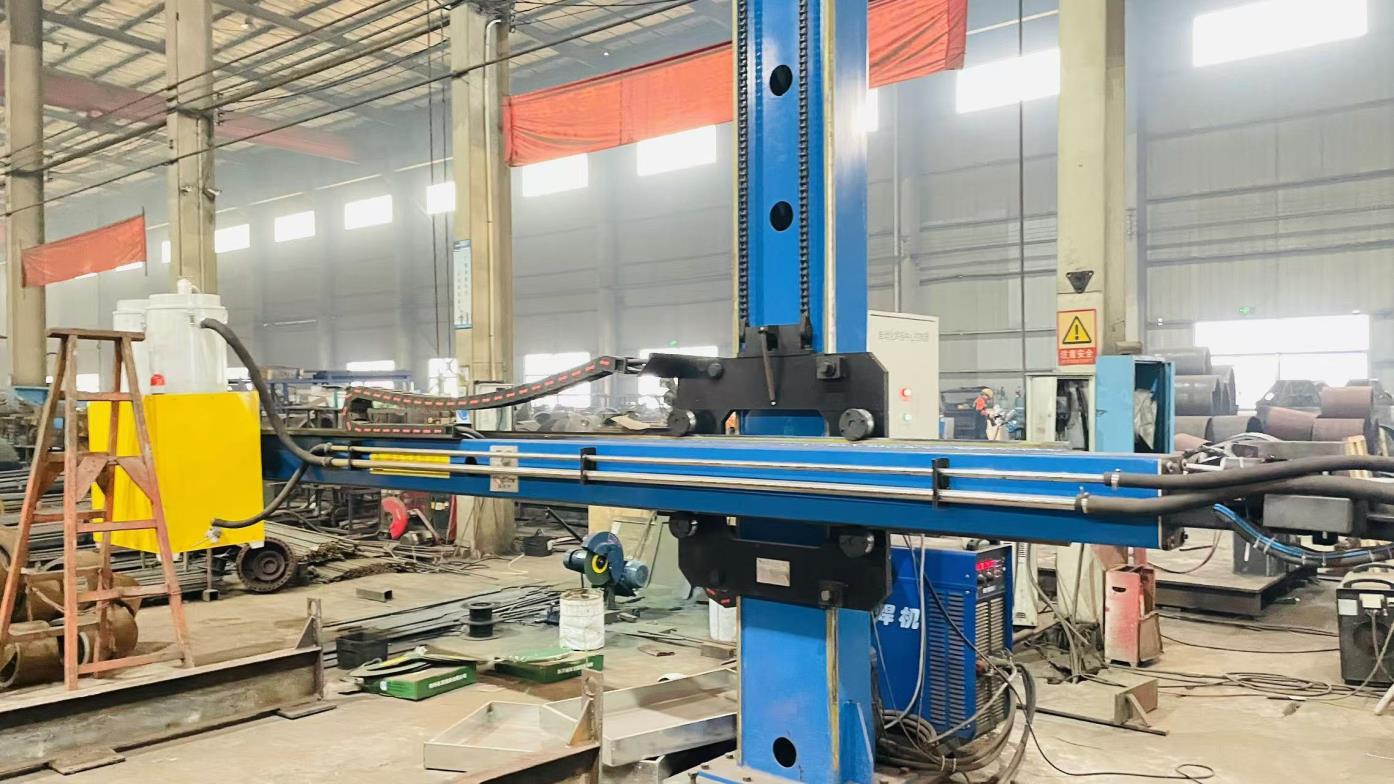
Inside Shandong E-Way Machine Co., Ltd.: Where advanced mechanical engineering meets robotic welding and automated quality inspection.
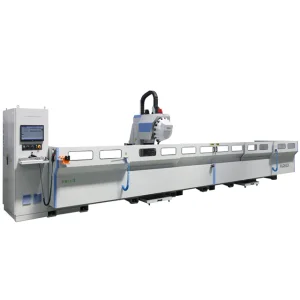
Shandong E-Way Machine Co., Ltd. stands at the forefront of China's Factory 4.0 industrial transformation. By integrating advanced production equipment with strict quality inspections, the company manufactures high-durability mining machinery and precision tools. E-Way's production lines are designed to handle demanding industrial processes. The manufacturing suite includes automated welding, precise pipe-wending, and high-efficiency milling. This diverse machinery setup allows E-Way to manufacture complex structural equipment, such as rock drill rods, micropile anchors, and custom CNC-drilled components, with high geometric accuracy.
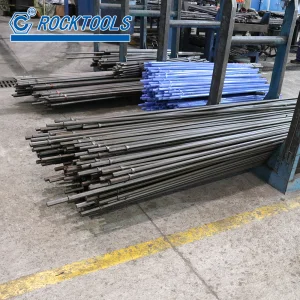
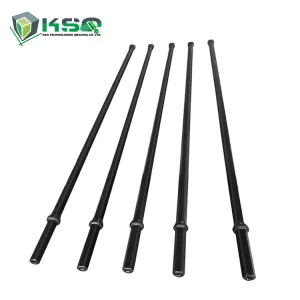
The company maintains a reliable supply chain. E-Way sources its raw steel from top-tier metallurgy groups, ensuring that all mining drill rods (such as the H22 tapered rods and integral rods) undergo precise induction heat treatments. This automated heat treatment optimizes the steel's crystal structure, resulting in a hardened outer shell with a resilient core. As a result, the tool can withstand the continuous impact forces generated by heavy pneumatic and hydraulic DTH drilling rigs.
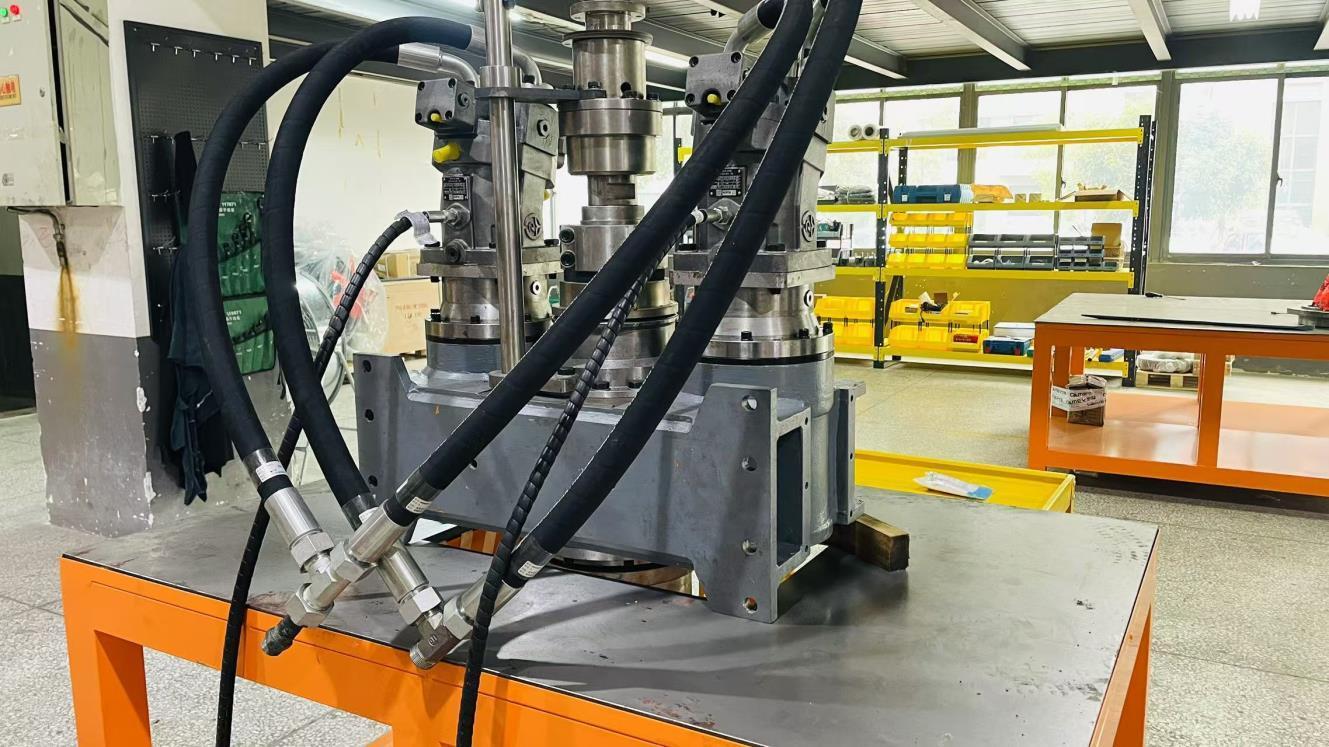
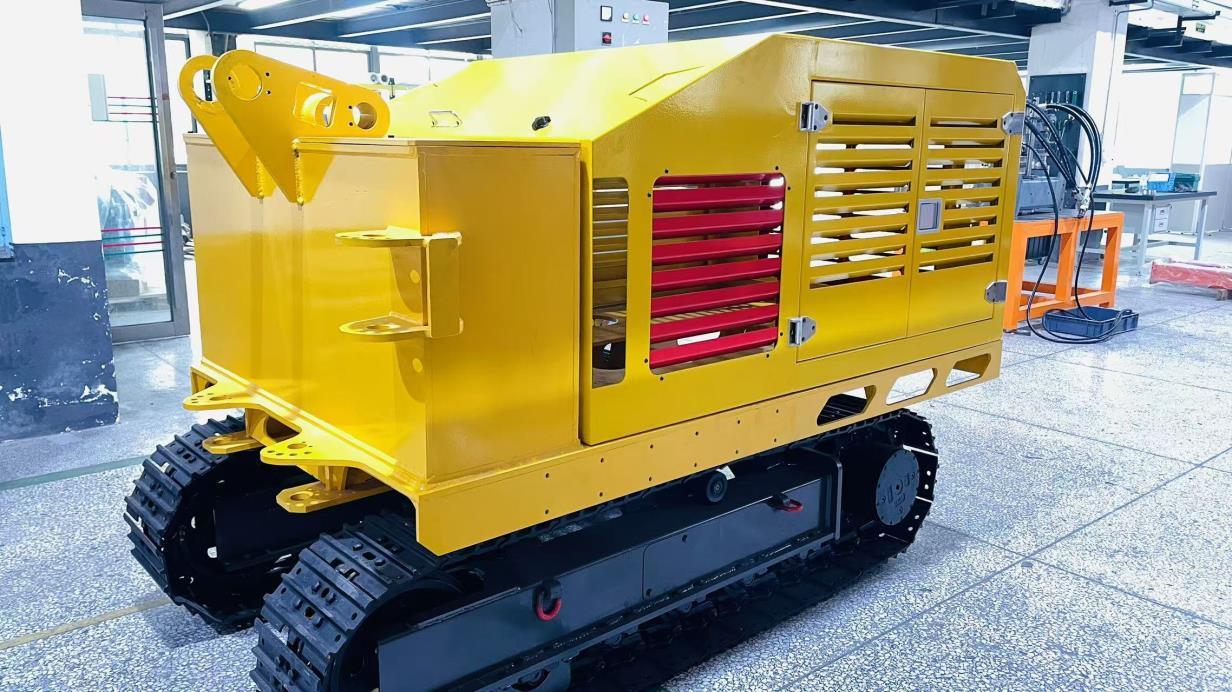
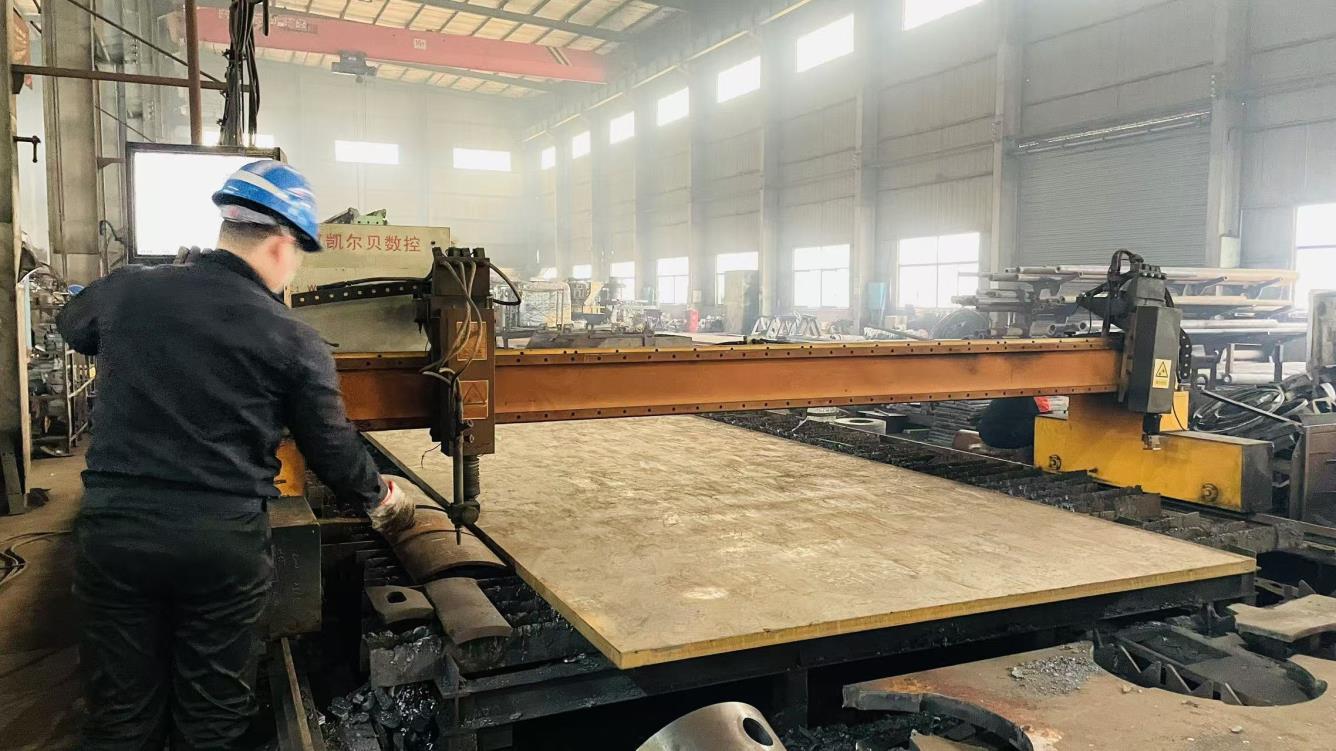
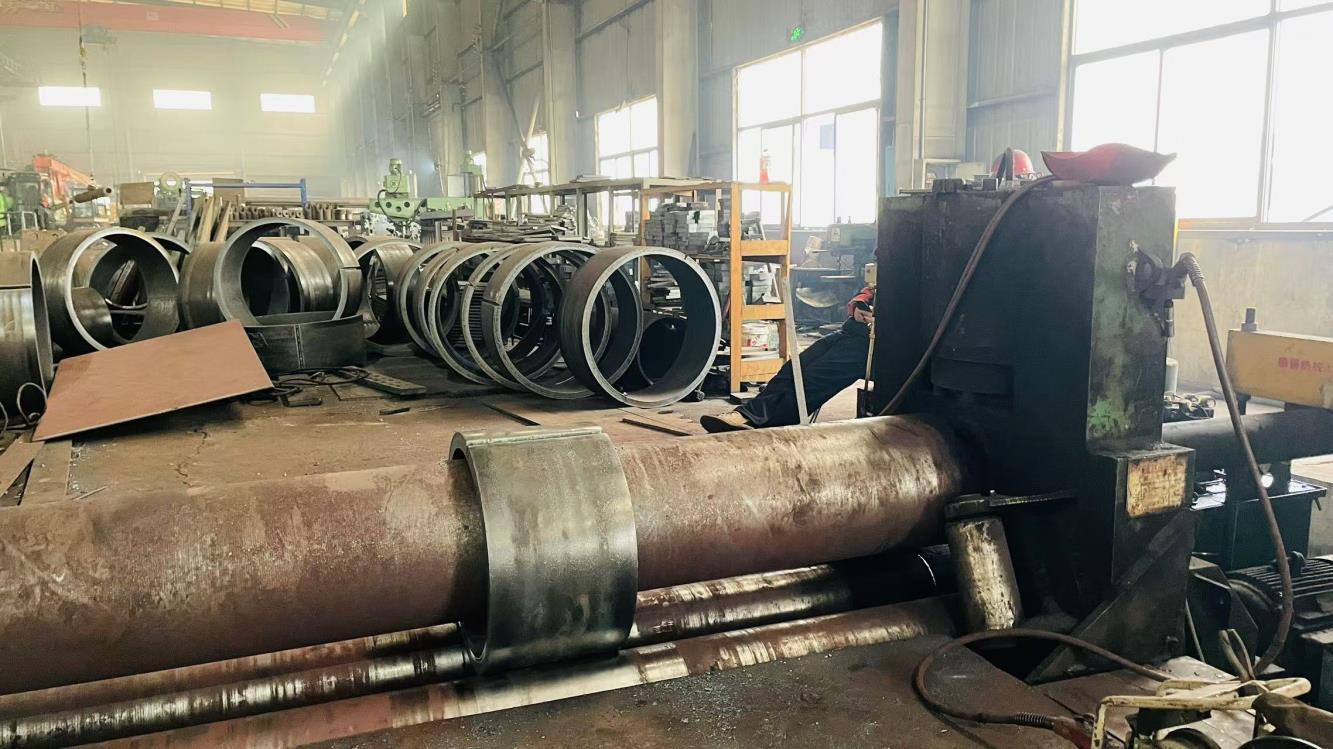
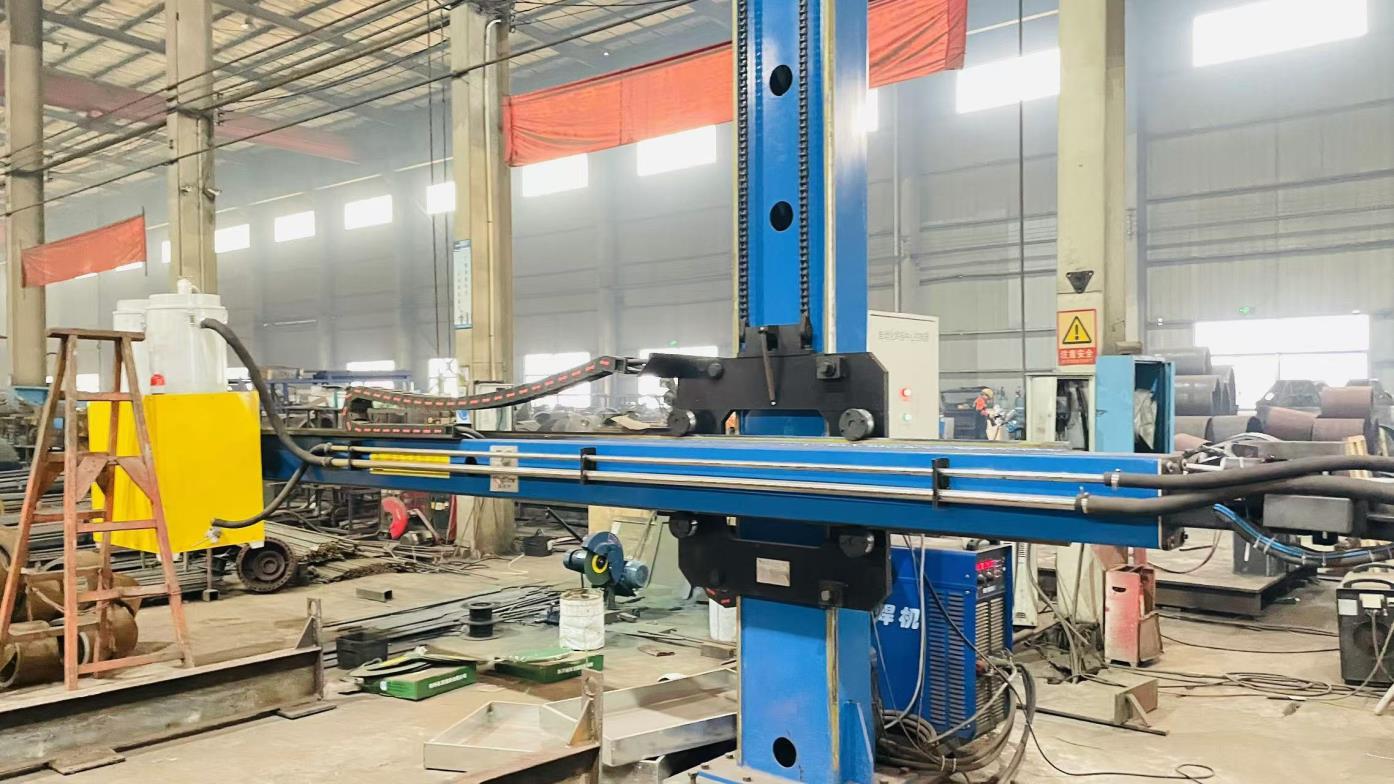
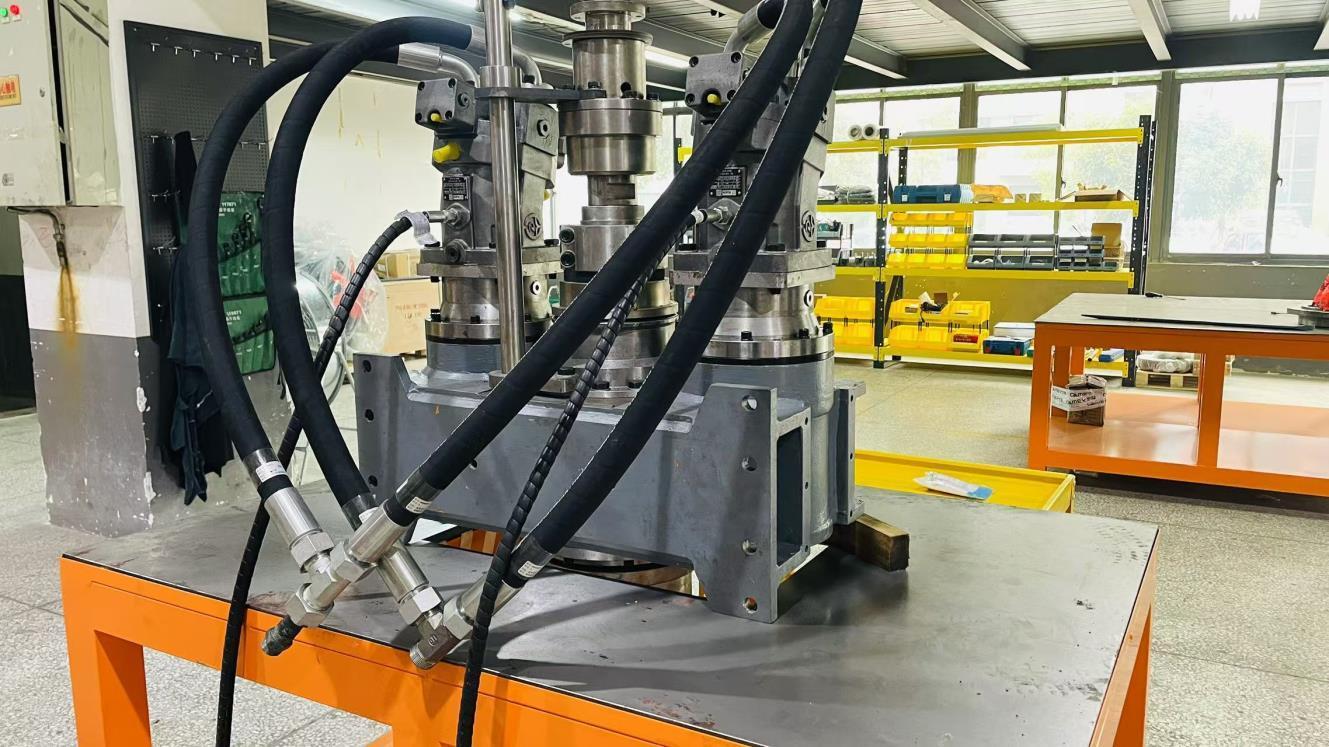
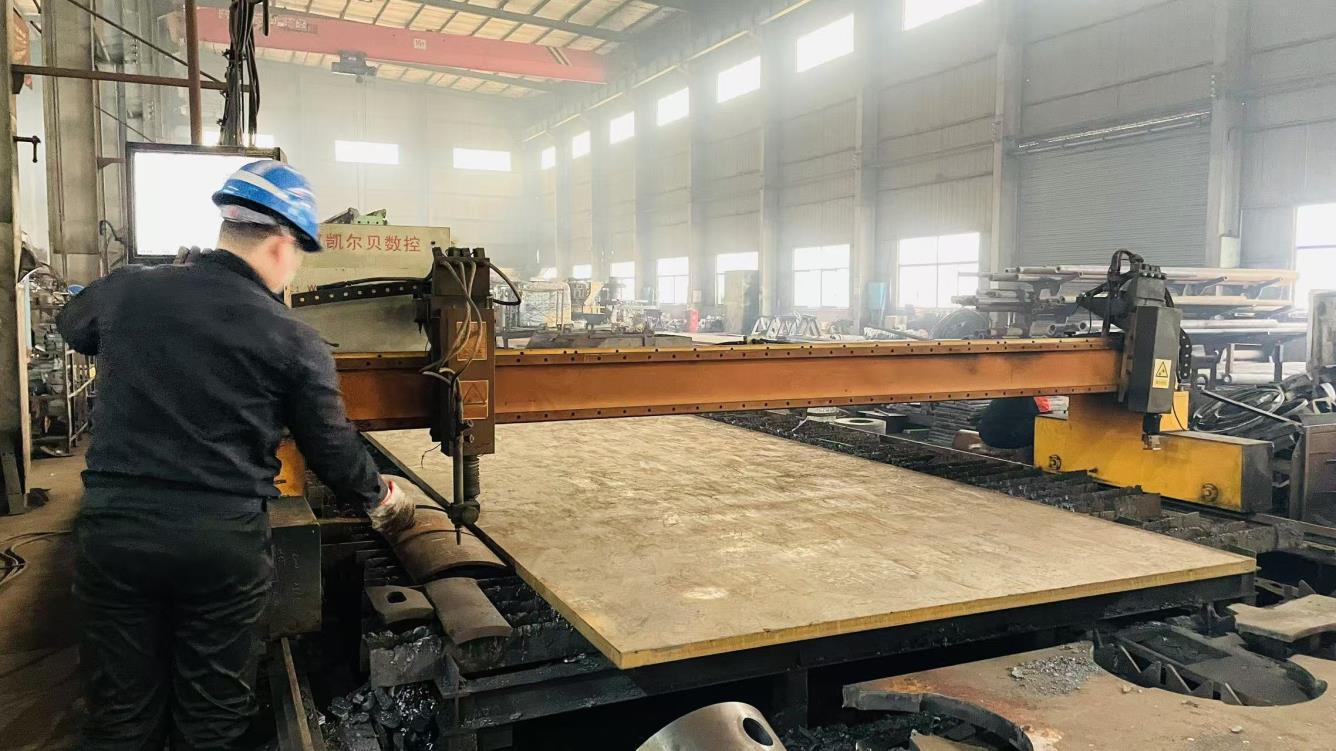
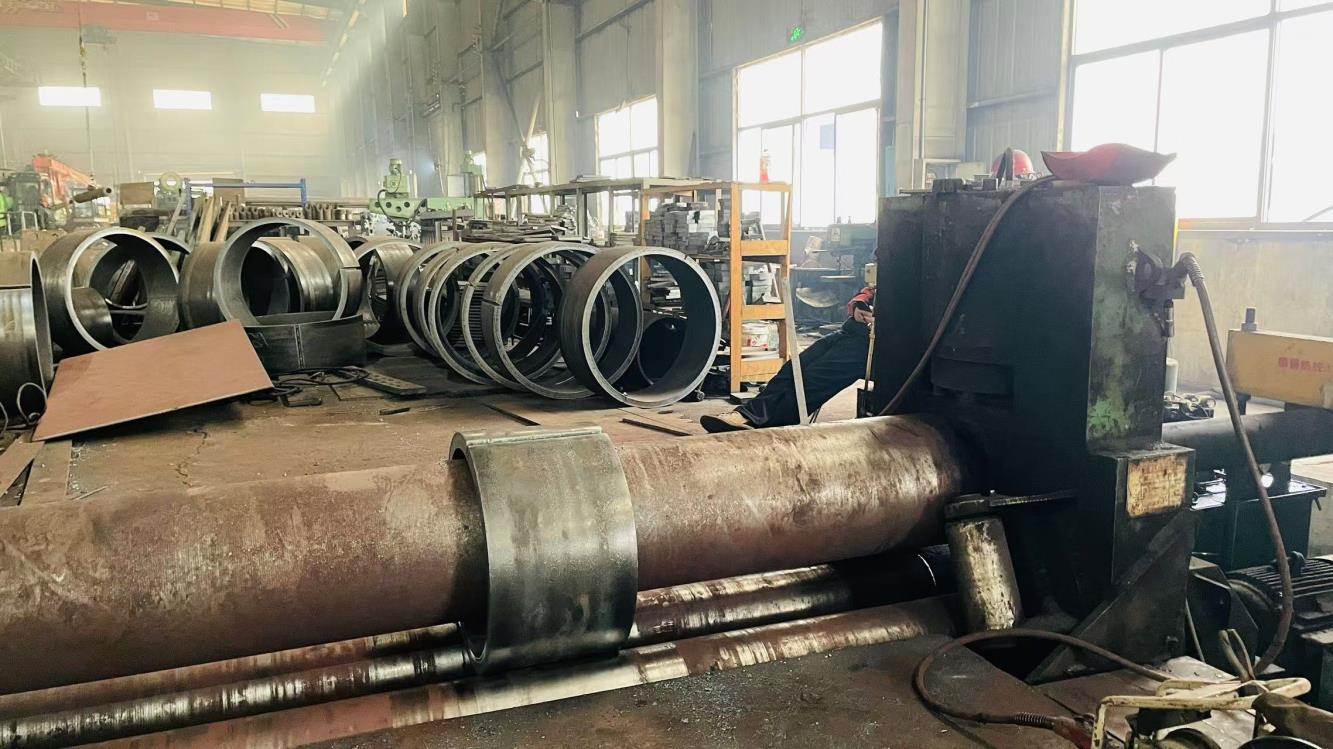
How the integration of analytical diagnostics and mechanical tools operates in real-world environments.
Before starting open-pit or deep-shaft excavations, operators use the TC150 Prospecting Instrument to locate aquifers. Operating on the principles of induced polarization and resistivity, this instrument scans the geological strata to identify underground water layers. Finding these water channels early allows engineering teams to deploy proper drainage plans, select appropriate drill locations, and prevent water intrusion incidents.
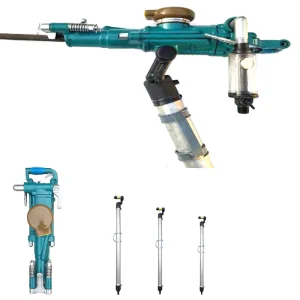
In quarrying and structural civil works, operators deploy Hydraulic Crawler DTH Rigs and H22 tapered rock drill rods to drill blasting holes. High-grade alloy drill steels prevent structural failures when cutting through dense granitic or basaltic formations. This setup ensures straight drilling channels, which leads to cleaner geological core recovery and more uniform blasting fragment sizes.
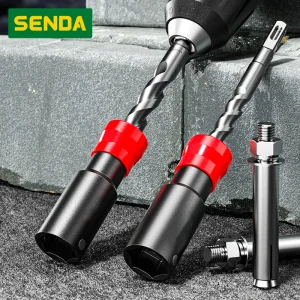
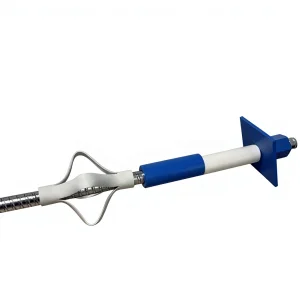
During tunnel advancement, maintaining roof stability is critical for overall safety. By using micropile rock bolts, post-tensioned anchor rods, and specialized drill bits, operators can anchor soft, layered rock layers into solid structural strata. This approach helps stabilize underground excavations and reduces geological shifting during seismic events or blasting phases.
Clear, direct technical answers regarding instrument calibration, steel grades, and equipment integration.
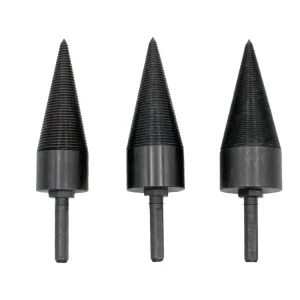
Verify physical dimensions, connection threads, and operational parameters for E-Way’s drilling bits, cutters, and anchor installation assemblies.