Pakistan Underground Mining Sector: Geotechnical Challenges & Industrial Demand
Pakistan is endowed with massive, largely untapped mineral reserves, ranging from the energy-yielding coalfields of Thar, Lakhra, and Sharigh to the rich metallic deposits of chromite in Muslim Bagh, copper-gold systems in Saindak and Reko Diq, and world-class industrial salt reserves in the Salt Range. However, the geological landscape of Pakistan presents immense geotechnical complexities. Major mining zones in Balochistan and Khyber Pakhtunkhwa (KPK) are situated within active tectonic fold-and-thrust belts, characterized by highly fractured rock masses, shale parting, weak coal seams, and squeezing ground conditions.
In such volatile geotechnical environments, conventional timber support and passive steel arch lining are no longer sufficient to guarantee safety and productivity. The demand for advanced ground support systems, specifically friction stabilizers like split set bolts and high-durability underground mining drill steel, has grown exponentially. These stabilizers adapt to rock mass shifting, providing immediate frictional anchoring resistance along the entire length of the borehole, making them crucial for securing development drifts, stopes, and deep access tunnels.
Geotechnical Insight: High tectonic stresses and squeezing shale in Pakistani coal mines require dynamic support elements. Split set stabilizers allow yielding under load, dissipating energy and preventing catastrophic rockbursts or tunnel collapses.
The Science of Split Set Frictional Stabilizers & Installation Systems
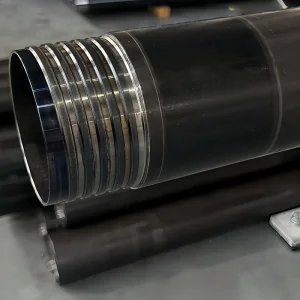
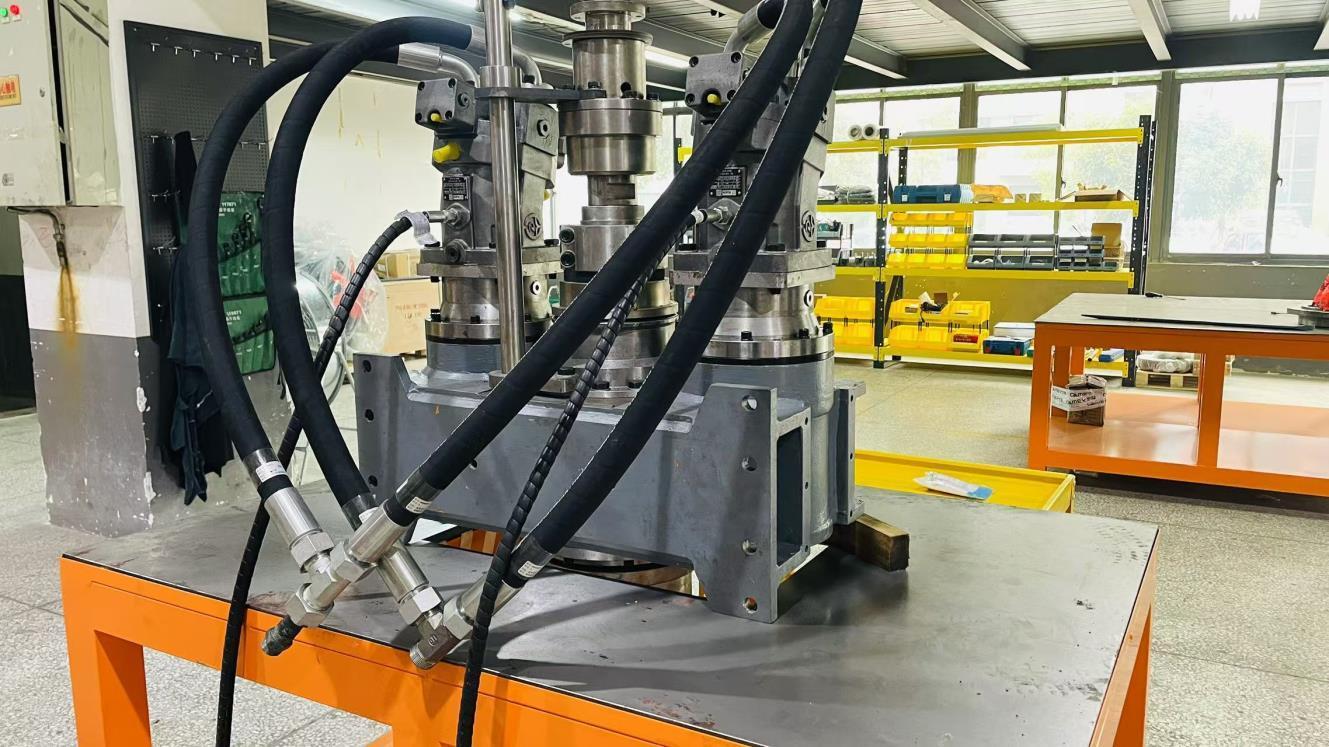
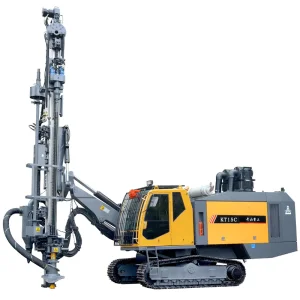
A Split Set Stabilizer (commonly known as a friction bolt) consists of a high-yield steel tube split along its longitudinal axis, paired with a domed bearing plate. It is installed by driving the oversized tube into a smaller pre-drilled borehole using a pneumatic or hydraulic rock drill equipped with a specialized split set stabilizer installer tool.
As the tube is compressed into the borehole, it exerts continuous radial force against the borehole wall, generating high frictional resistance. The fundamental engineering parameters governing their performance include:
- Radial Pressure: Determined by the difference between the borehole diameter and the outer diameter of the split set tube. Typically, a 39mm stabilizer is designed for 35mm to 38mm boreholes.
- Yield Strength and Elongation: High-tensile steel alloys ensure the tube can elongate without shearing when the surrounding rock mass undergoes plastic deformation.
- Corrosion Resistance: Underground mines are often wet and acidic. Galvanized or specially coated steel plates and tubes are required to prevent premature corrosion-induced failures.
Global Sourcing Dynamics: Why TCO Outweighs Initial Unit Cost
Global procurement teams in the mining sector are shifting away from evaluating suppliers based purely on the per-unit cost of steel. Instead, they focus on Total Cost of Ownership (TCO). High-maintenance drill rods and low-quality split sets often lead to premature failures, causing project downtime, drill rig idle time, and increased safety risks.
Reliable procurement managers assess several criteria when selecting manufacturers for the Pakistan and international markets:
Material Traceability
Sourcing from mills with mill test certificates (MTC) verifying precise chemical composition and mechanical properties of the carbon steel.
Geometrical Precision
Strict tolerances on the tube diameter and slot width are vital. Deviation of even 1mm can compromise the pull-out force of the stabilizer.
Compatibility
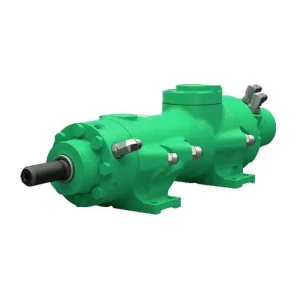
Seamless fit between the installer shanks, rock drill chucks (such as Montabert or Kaishan models), and the stabilizer sleeves.
Chinese Factory 4.0: Forging Supply Chain Resilience & Efficiency
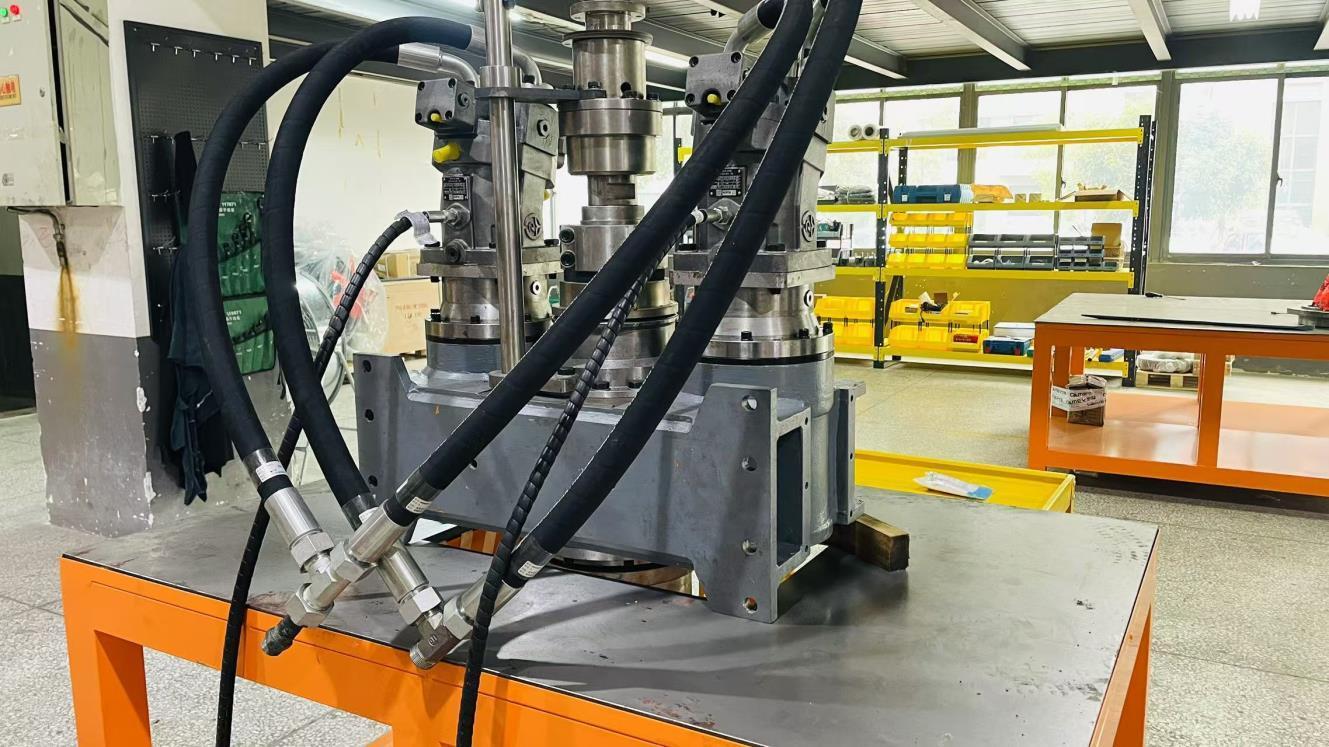
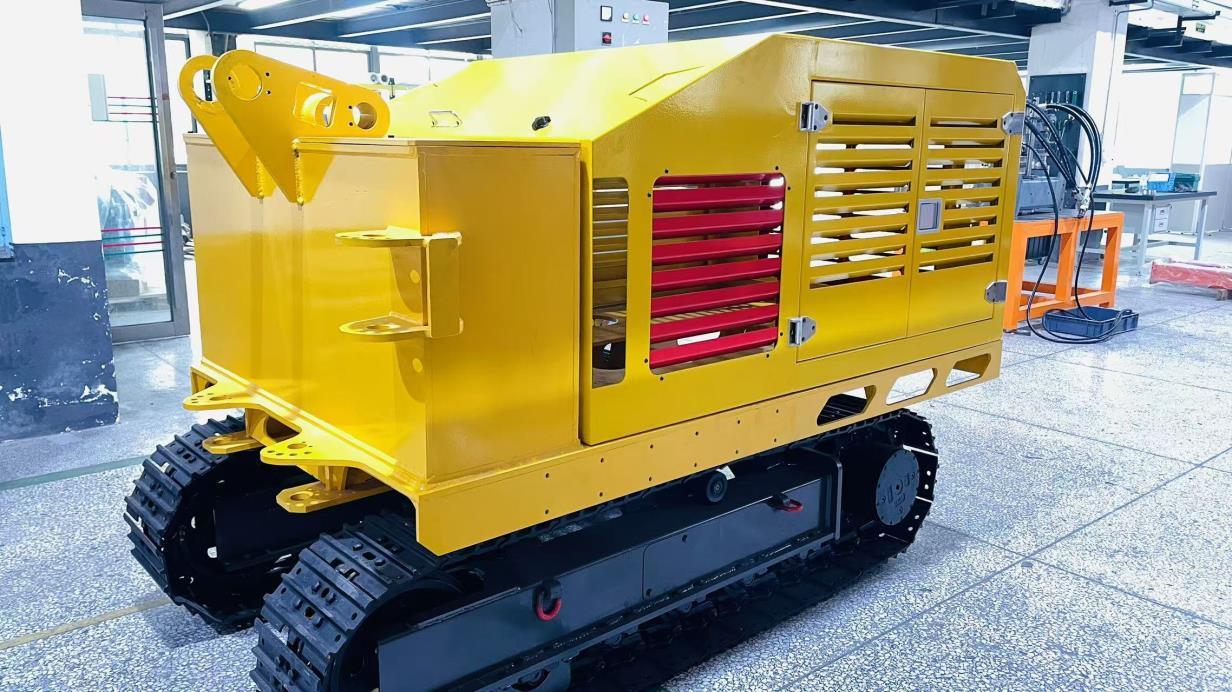
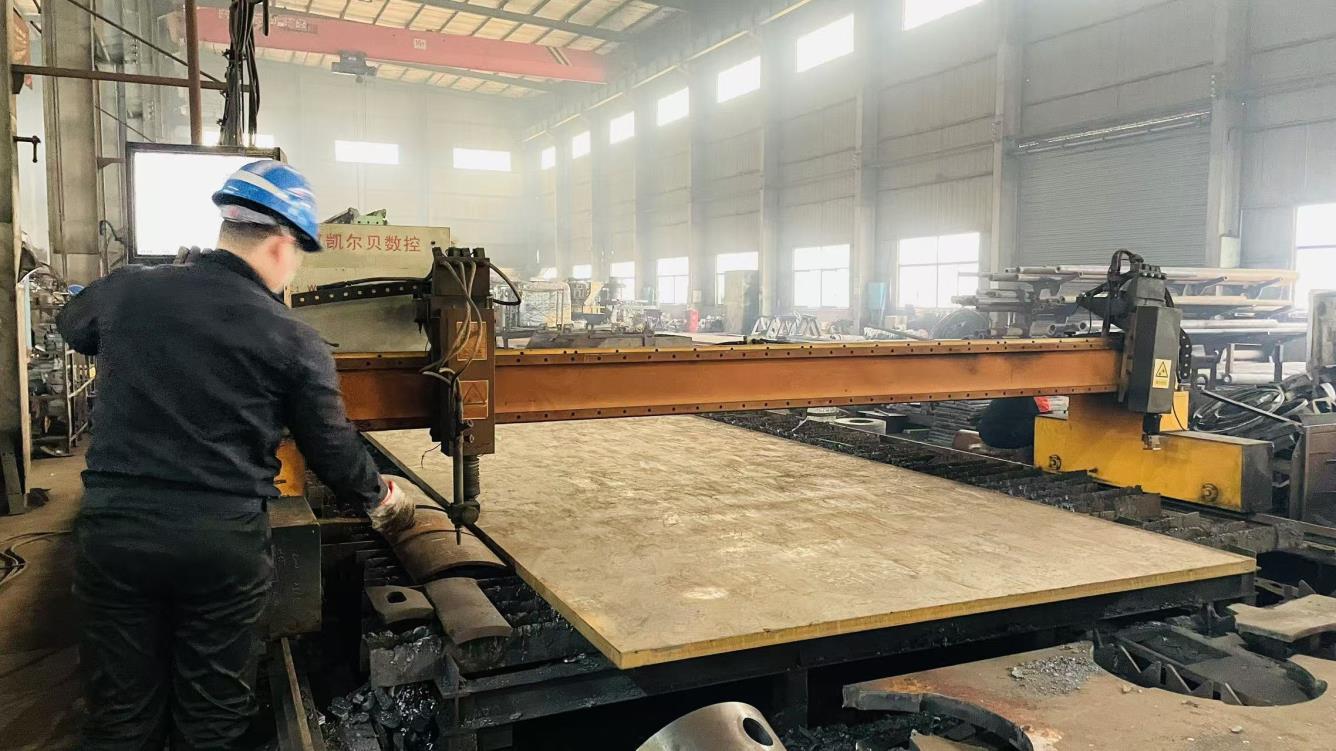
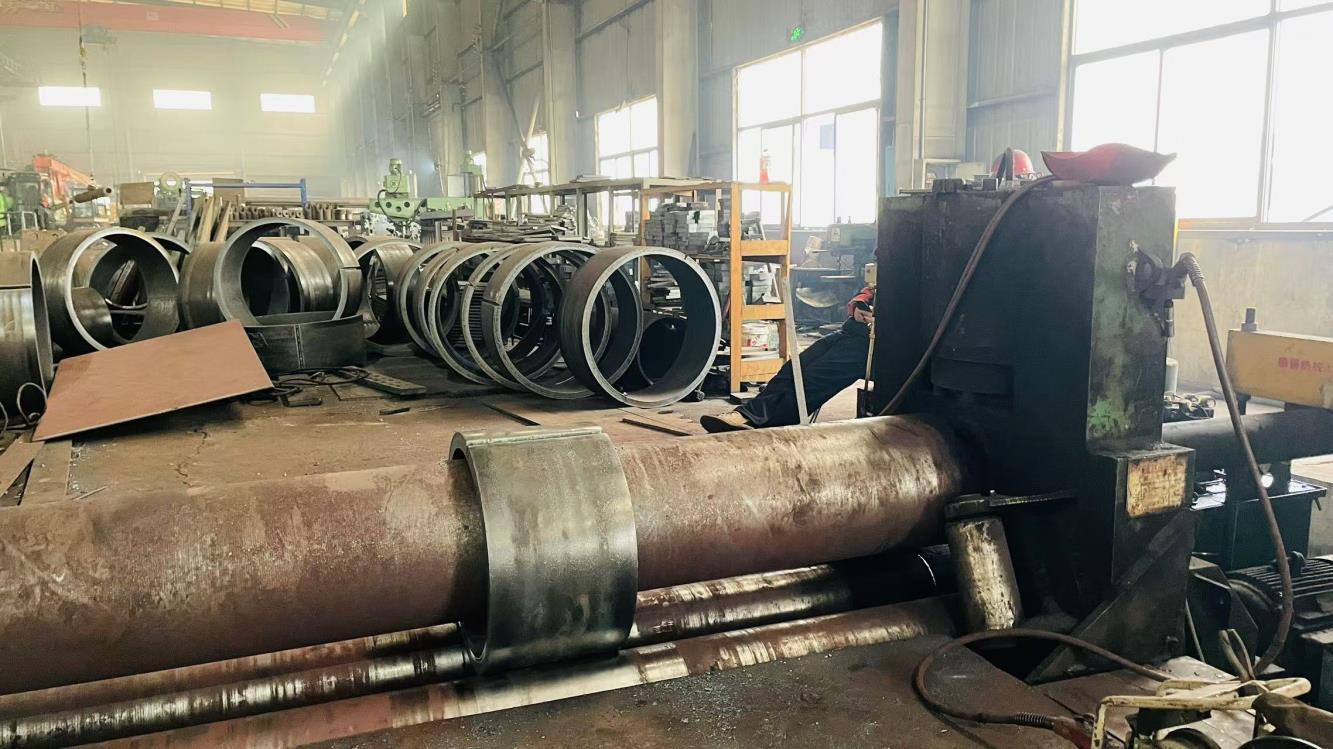
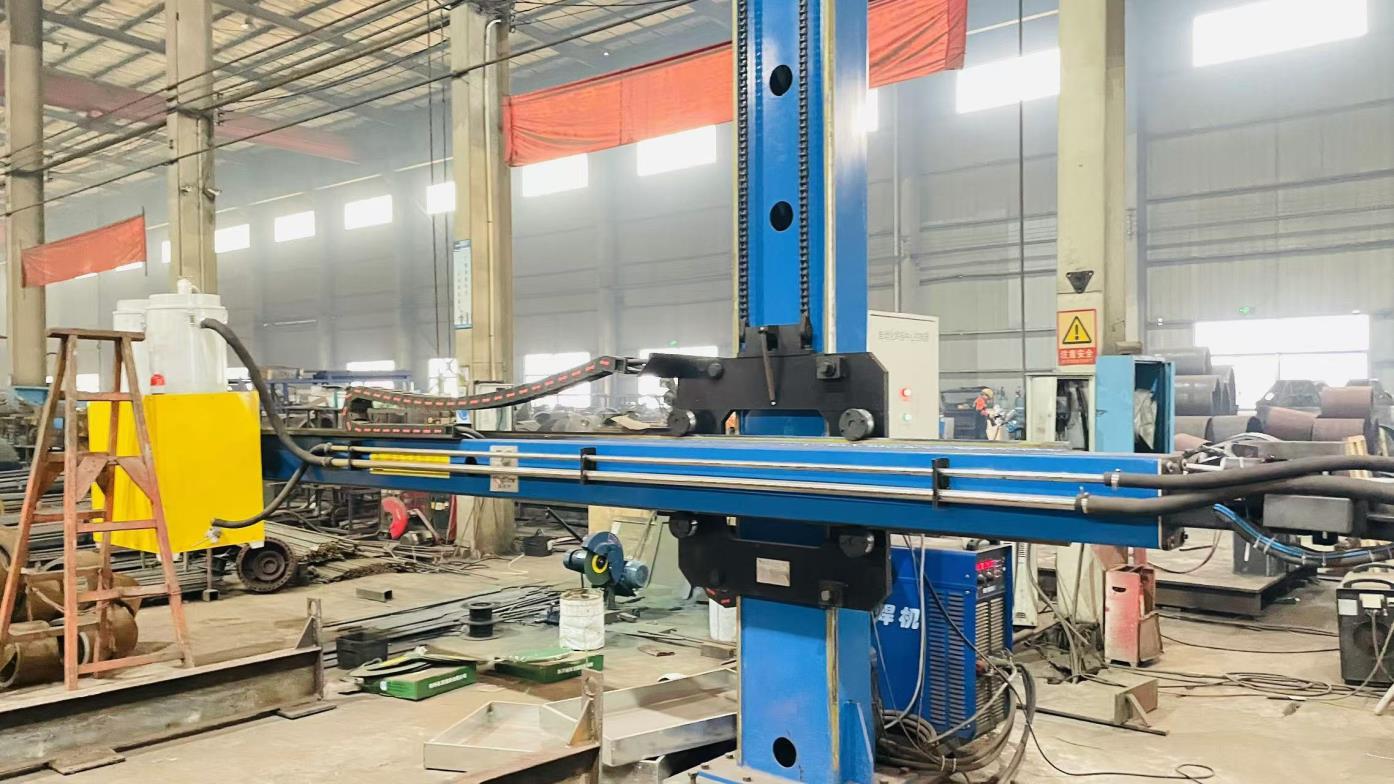
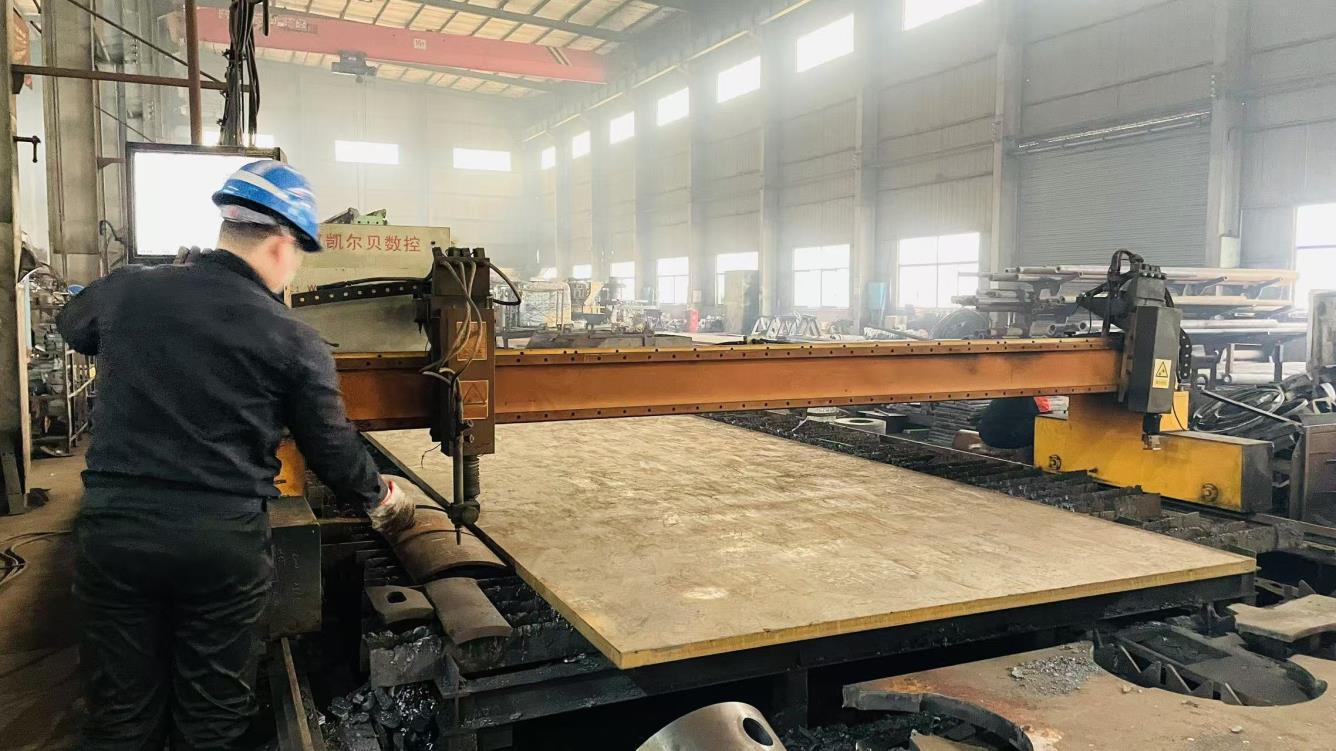
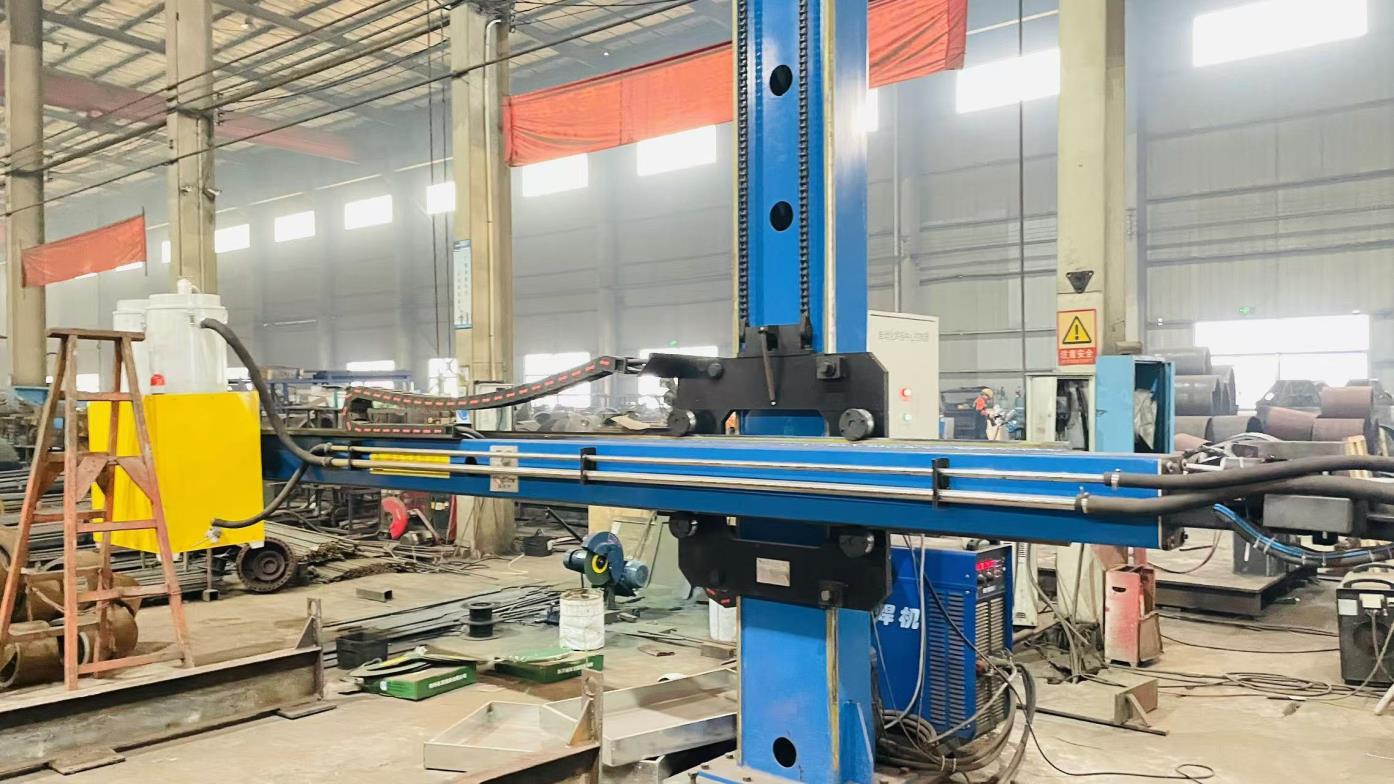
Shandong E-Way Machine Co., Ltd. sits at the forefront of the Chinese industrial revolution, implementing Factory 4.0 digitalized production architectures. By transitioning from manual machining to automated, data-driven manufacturing, we address the critical challenges of consistent product quality and supply chain bottlenecks.
Our intelligent factory processes feature:
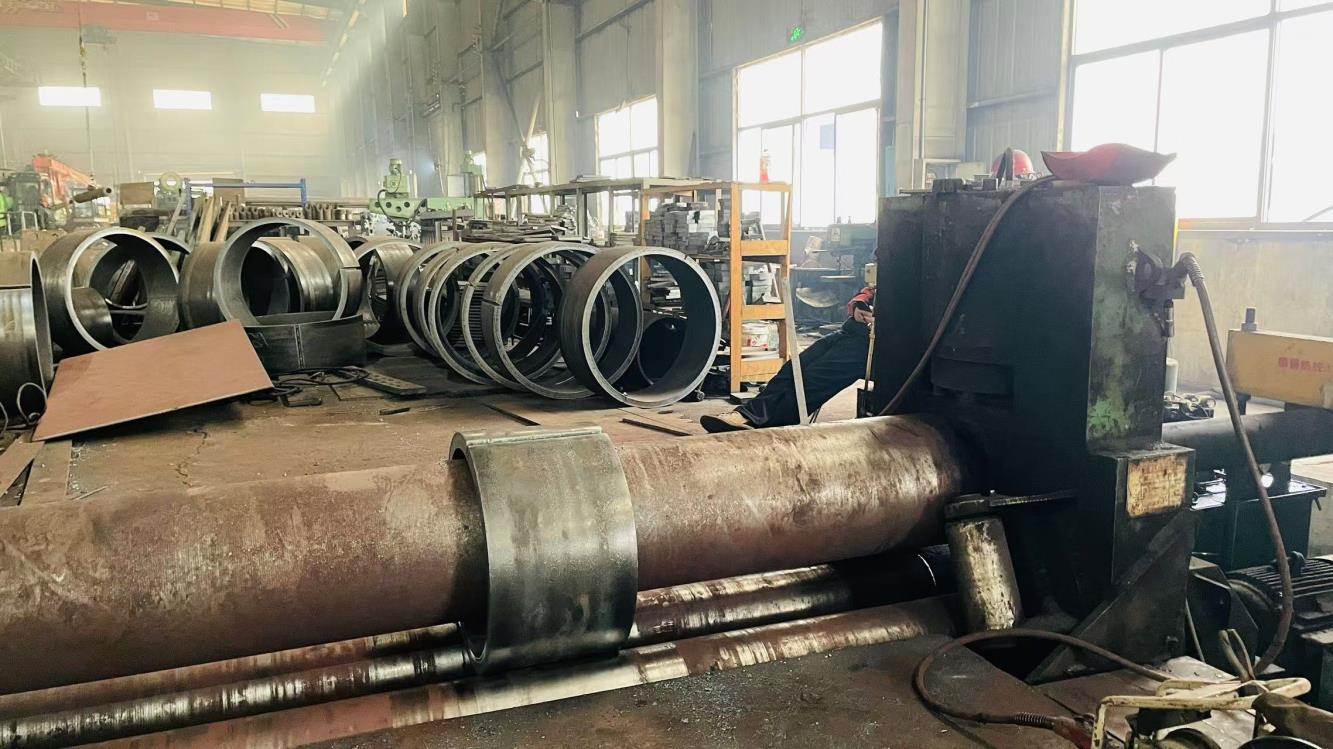
- Robotic Longitudinal Slotting & Rolling: Eliminates human error in tube forming, ensuring uniform shape and diameter tolerance down to ±0.2mm.
- Computer-Controlled Heat Treatment: Precision quenching and tempering lines maximize the yield strength of the steel without sacrificing ductility.
- Integrated Supply Chain: Direct raw material sourcing from tier-1 domestic steel mills, protecting production capacity from global metal price fluctuations and securing continuous supply to regional markets like Pakistan.
Localized Case Scenarios in Pakistan Mining Basins
To demonstrate the effectiveness of modern ground support solutions, we examine three key mining regions in Pakistan:
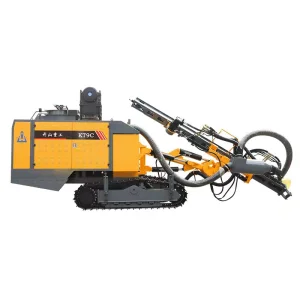
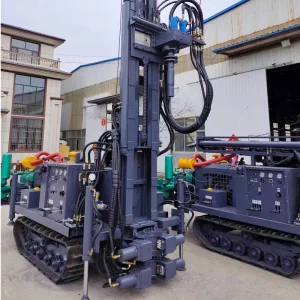
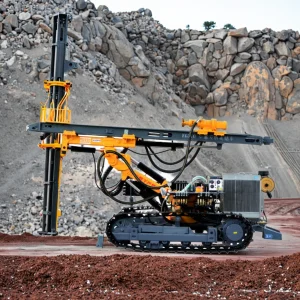
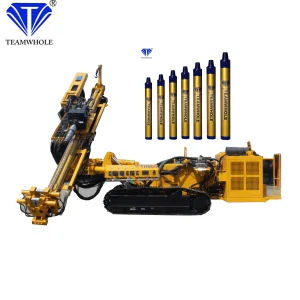
1. Balochistan Chromite Belt (Muslim Bagh): These chromite deposits occur in highly complex ophiolite complexes. Mining drifts often pass through serpentinized rocks that are slickensided and highly unstable. Standard rock bolting often fails because the rock shears easily. The application of high-strength split set stabilizers driven by heavy DTH drill rigs allows the ground support to adapt to the minor movements of the serpentinite, maintaining safe access tunnels.
2. Sindh Coalfields (Thar Block II): While Thar utilizes open-cast mining at present, future underground expansions and surrounding blocks face high clay content and unstable overlying strata. Maintaining deep access shafts and pump chambers requires rapid installation of corrosion-resistant, high-pullout-capacity friction bolts to manage squeezing ground.
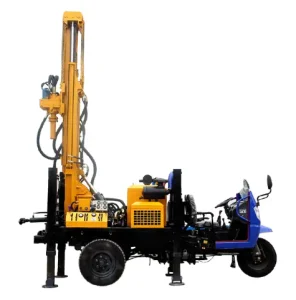
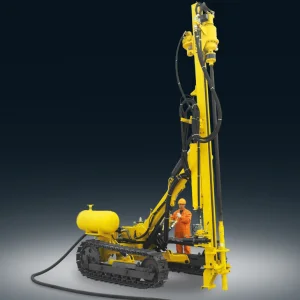
3. KPK Emerald and Gem Mines (Swat): Small-scale, highly fractured geological formations require portable pneumatic drilling rigs coupled with manual split set installers. Using lightweight pneumatic drill setups improves mobility in steep terrains while maintaining high safety standards.