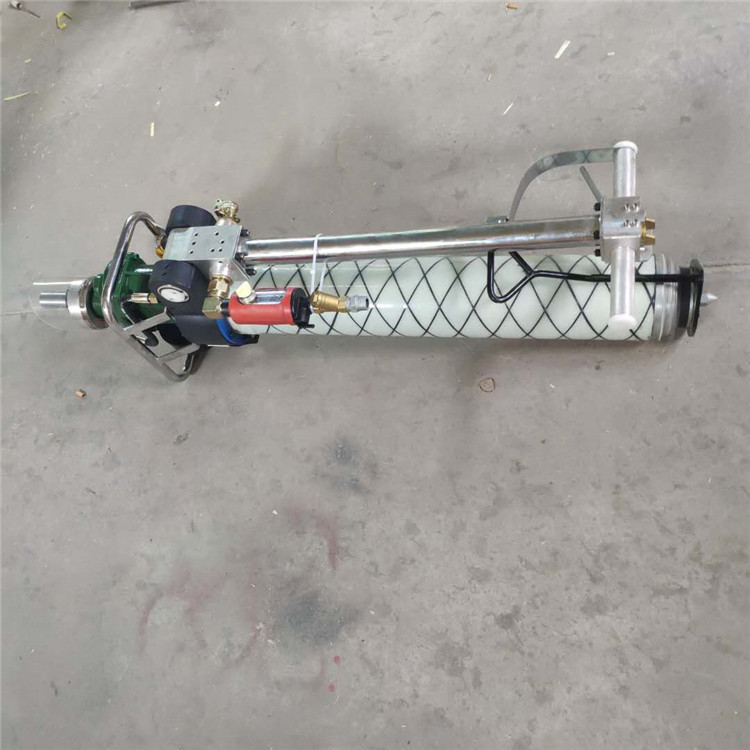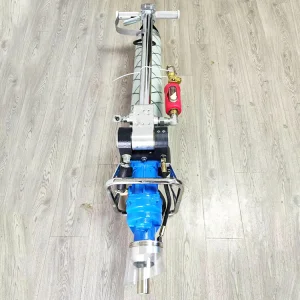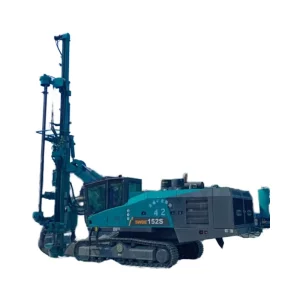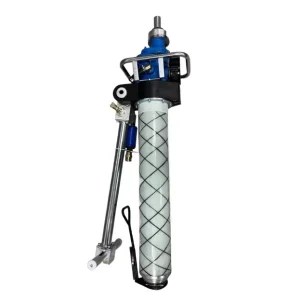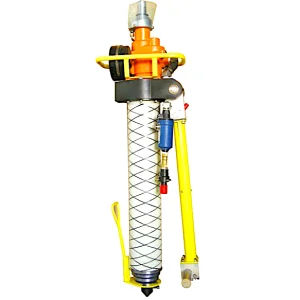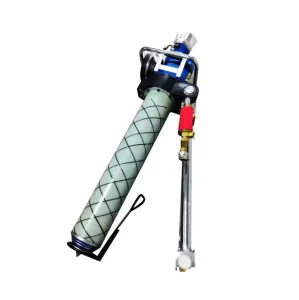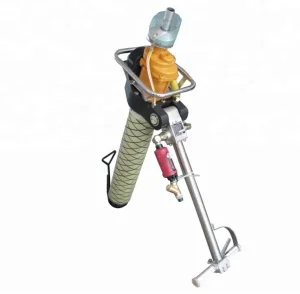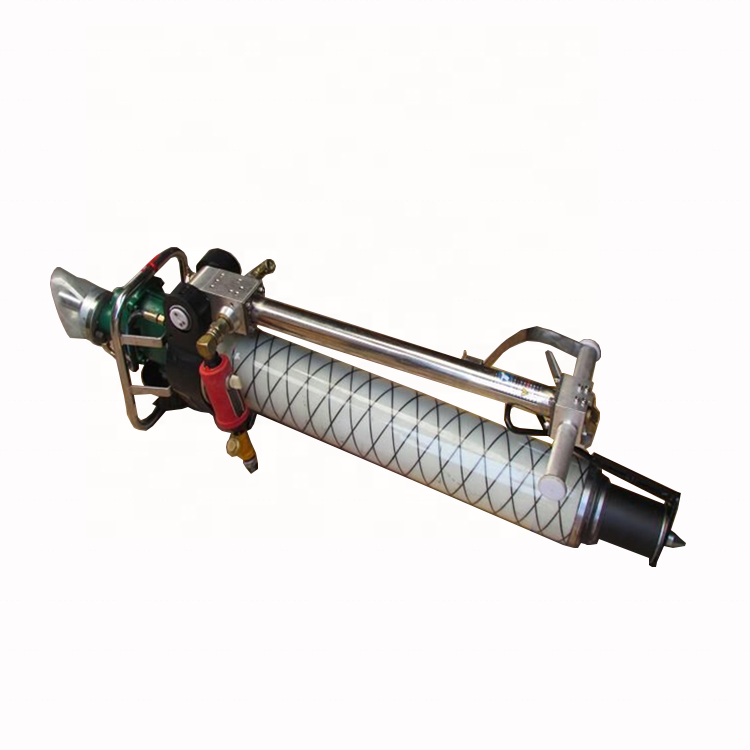
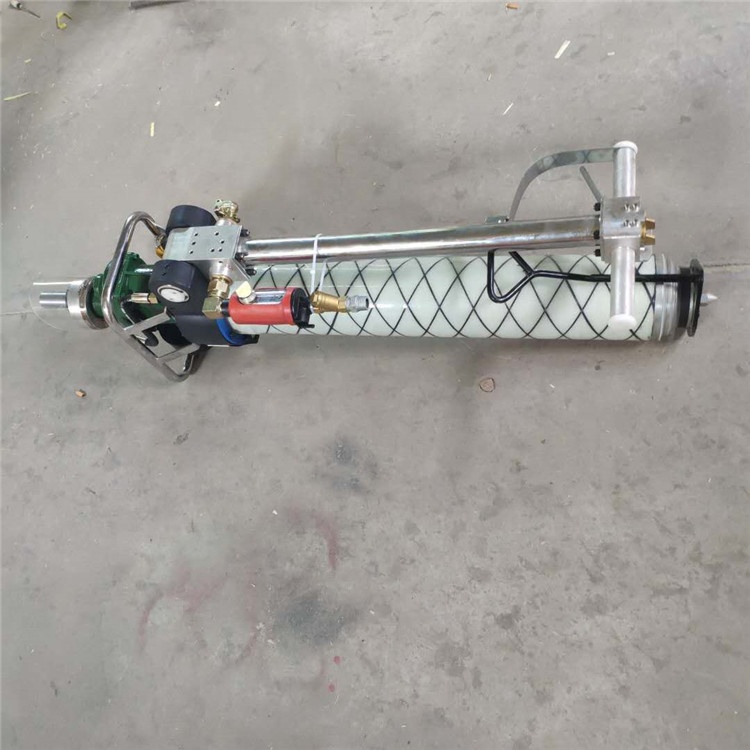
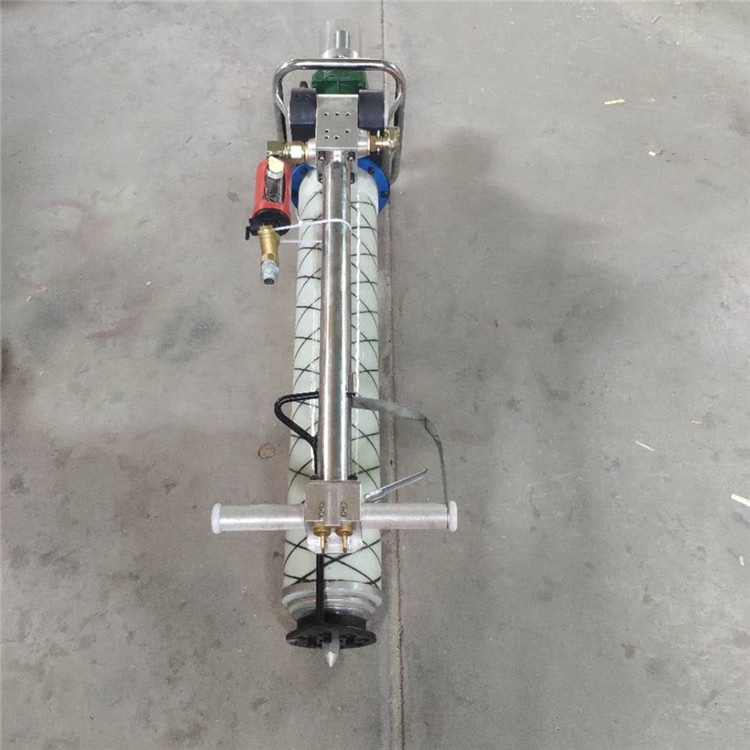
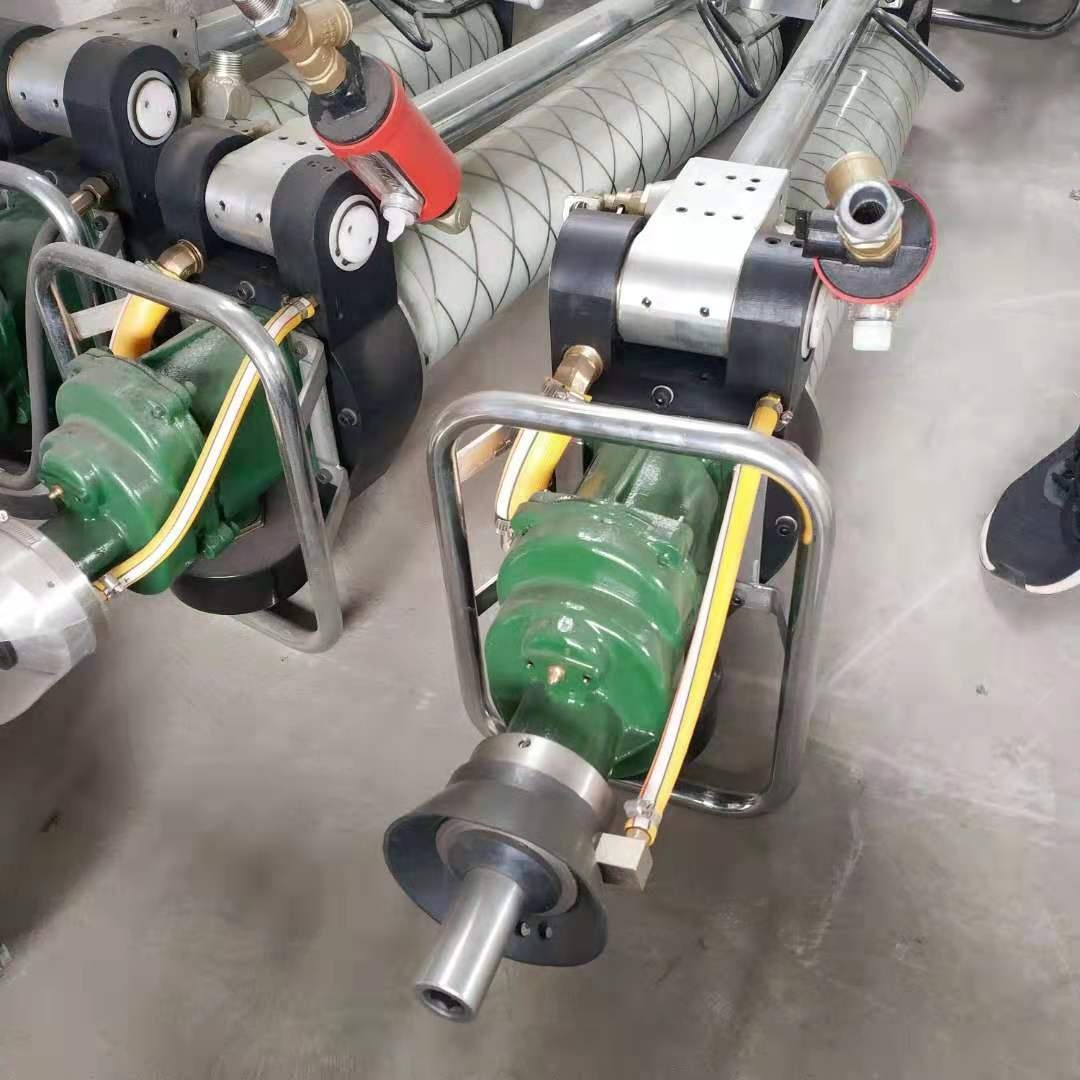
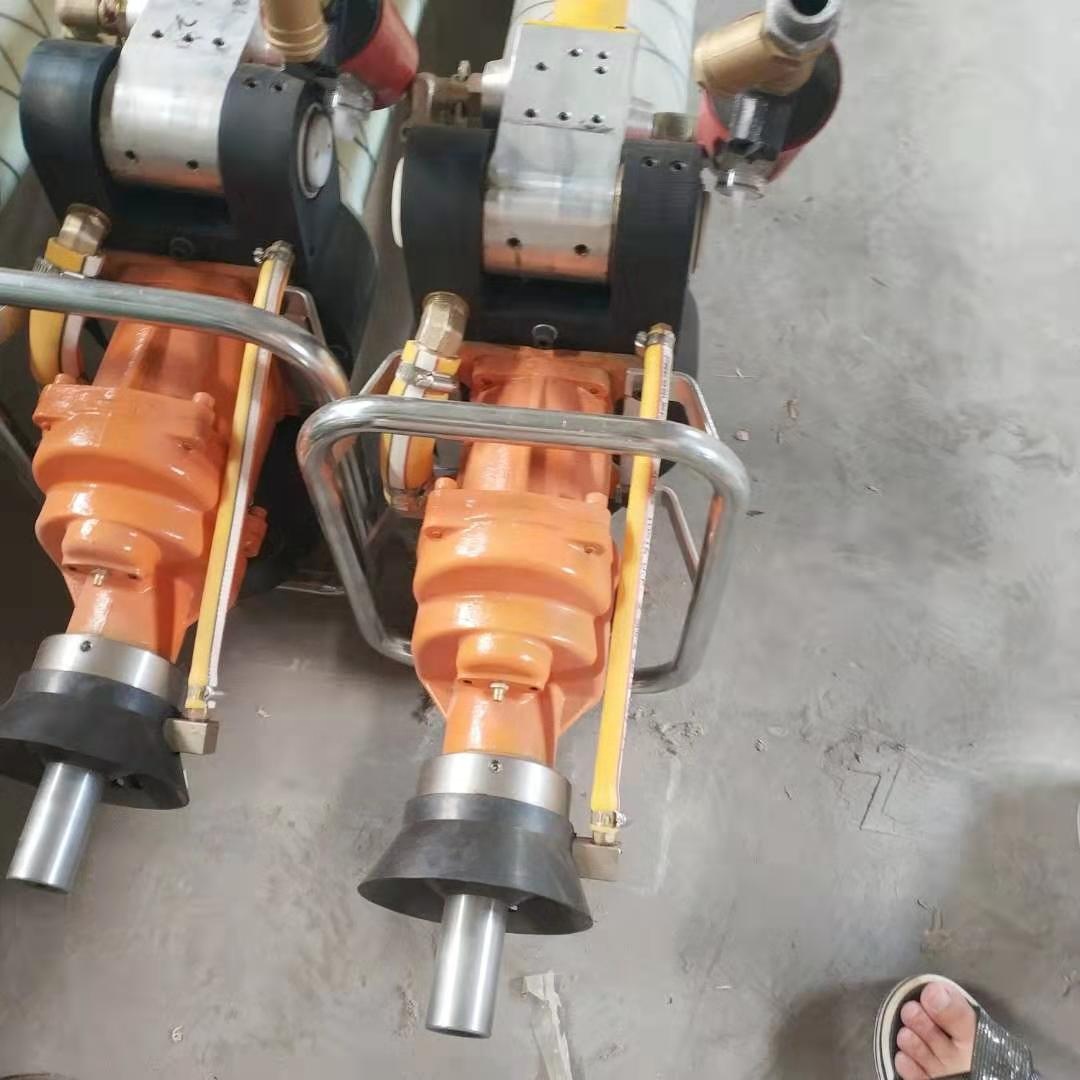

The Best and Cheapest MQT-120 MQT-110 MQT-130/3.2 MQT Series Pneumatic Roof Bolter for Sale

Product Description

MQT Series Pneumatic Roof Bolter Banner
Product Description
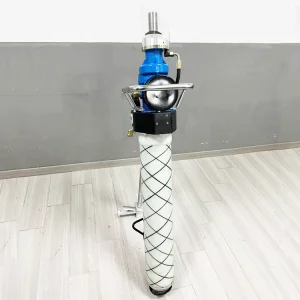
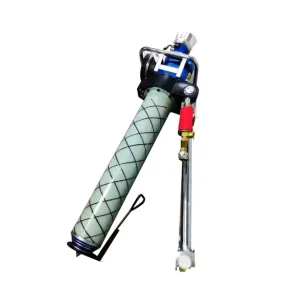
MQT Type Pneumatic Anchor Drill

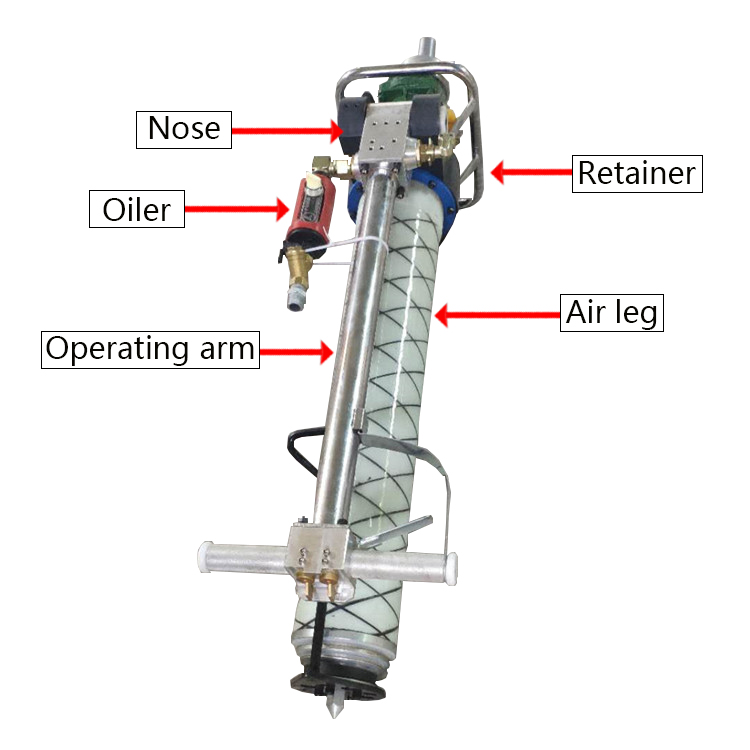
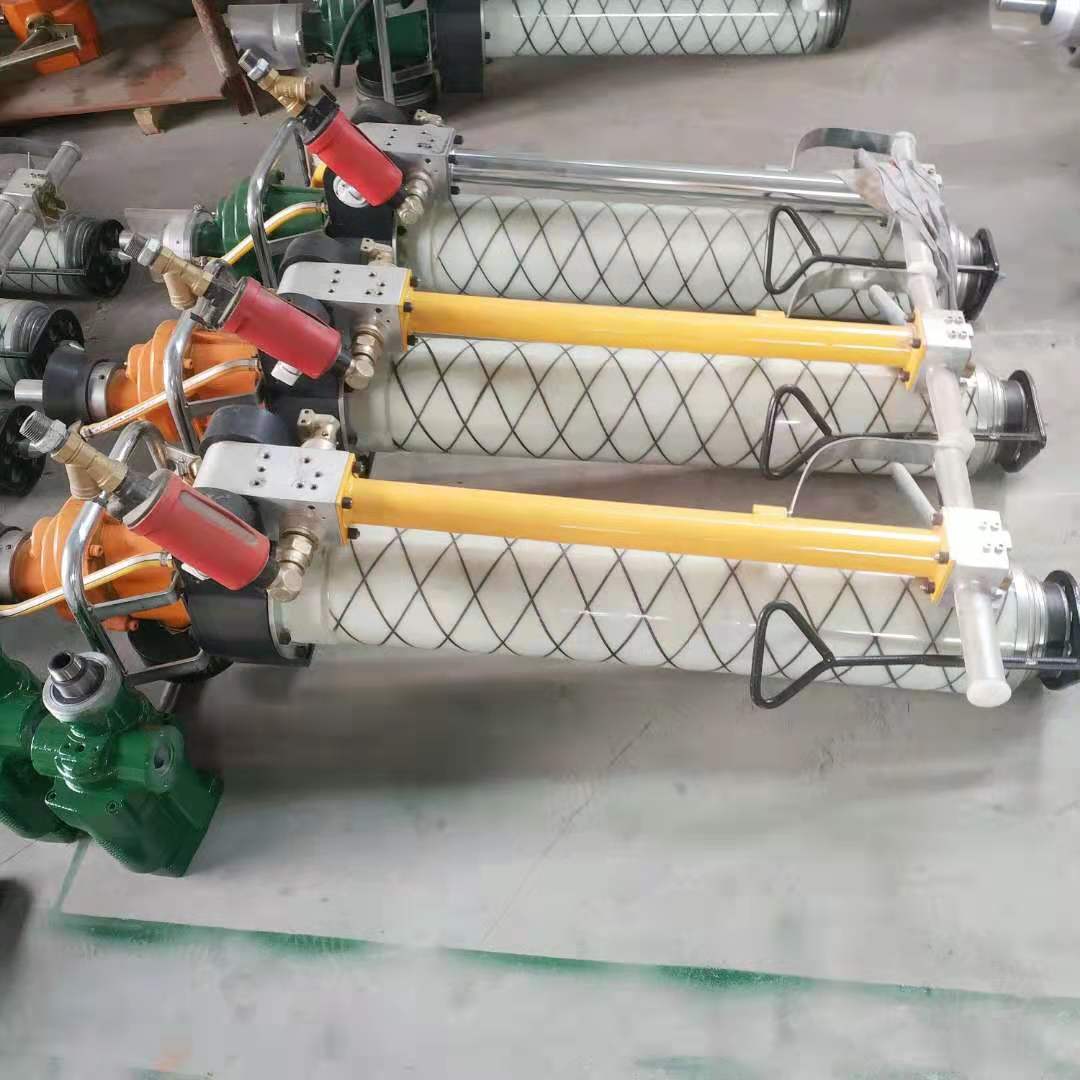
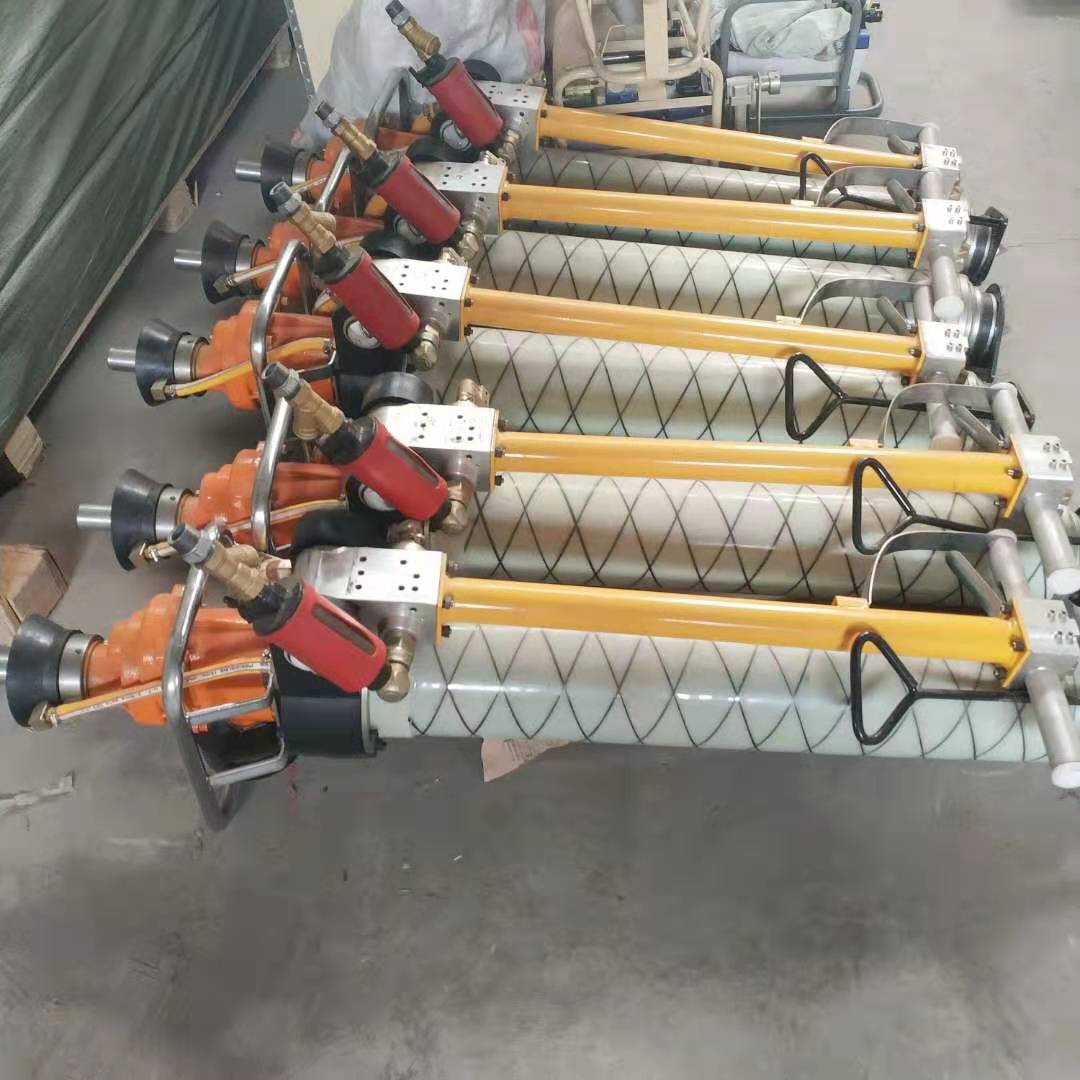
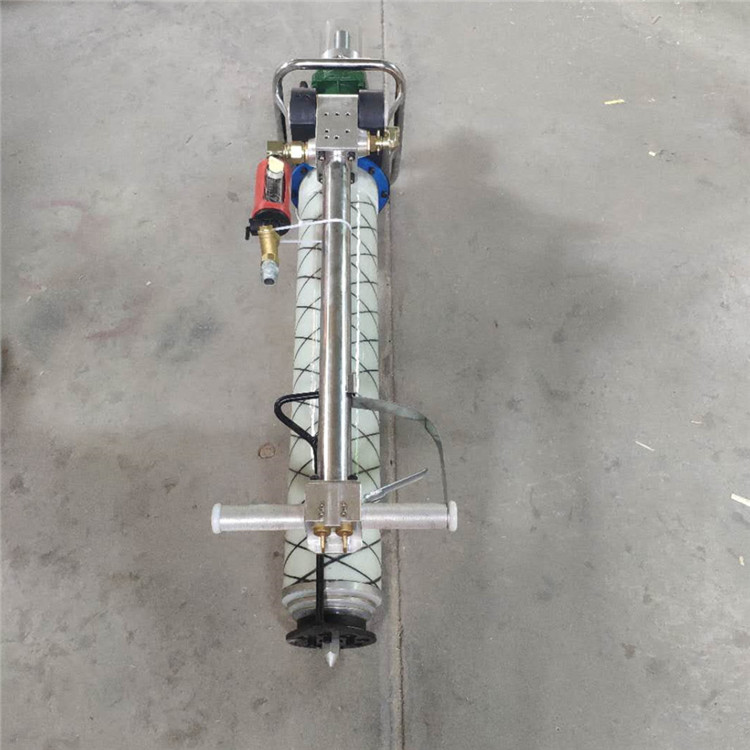
MQT type pneumatic bolt drill is mainly used for coal mine rock hard ≤f10 coal roadway, rock roadway bolt, anchor cable support drilling, and can stir and install resin bolt, anchor cable. For the bolt with damping nut, it can be directly tightened during mixing to achieve the bolt mixing and installation once completed, meeting the requirements of the initial anchor preload.

Characteristics of MQT Type Pneumatic Anchor Drill
  • High degree of engineering plastic material, light weight, and easy to operate.
  • The use of a large size motor for power provides a larger power-weight ratio and longer service life.
  • The propulsion part adopts a new fiberglass cylinder, which is safe, explosion-proof, lightweight, and flexible.
  • The water valve technology can adapt to the ultra-high surface static pressure water in coal mines.
Technical Parameters
Parameter Name UNIT MQT110 MQT120 MQT130
Adaptive pressure range Mpa 0.4-0.63 0.4-0.63 0.4-0.63
Rated pressure Mpa 0.5 0.5 0.5
Rated torque n.m 110 120 130
Rated speed r/min ≥230 ≥200 ≥180
Maximum output power KW ≥2.4 ≥2.6 ≥3.0
Maximum load torque n.m ≥180 ≥220 ≥260
Starting torque n.m ≥170 ≥180 ≥230
Load air consumption m3/min ≤3.8 ≤4.2 ≤4.4
Maximum speed r/min 620 500 460
Machine weight Kg 48 52 54
Product Pictures
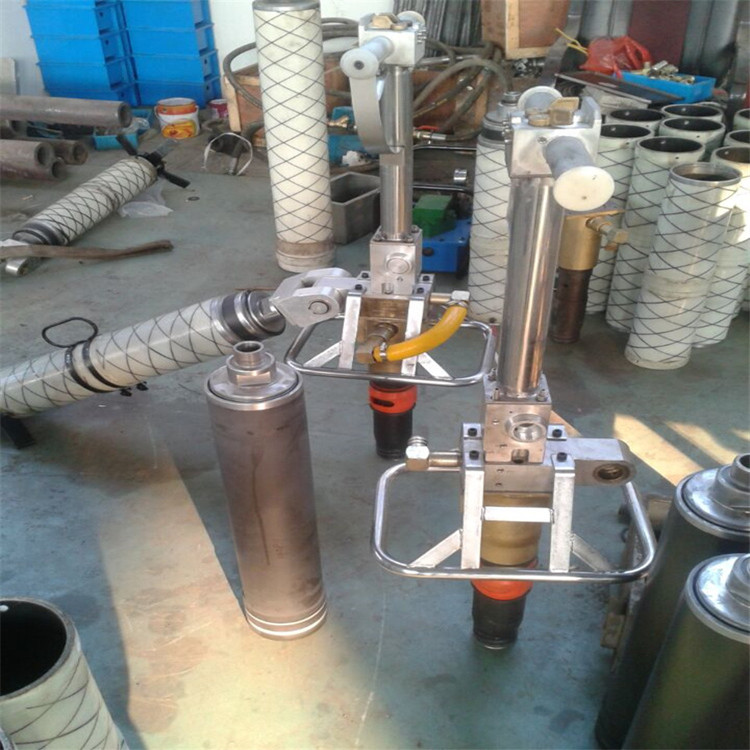
MQT Pneumatic Roof Bolter Detail 1 MQT Pneumatic Roof Bolter Detail 2 MQT Pneumatic Roof Bolter Detail 3 MQT Pneumatic Roof Bolter Detail 4 MQT Pneumatic Roof Bolter Detail 5 MQT Pneumatic Roof Bolter Detail 6
Factory & Production Facilities
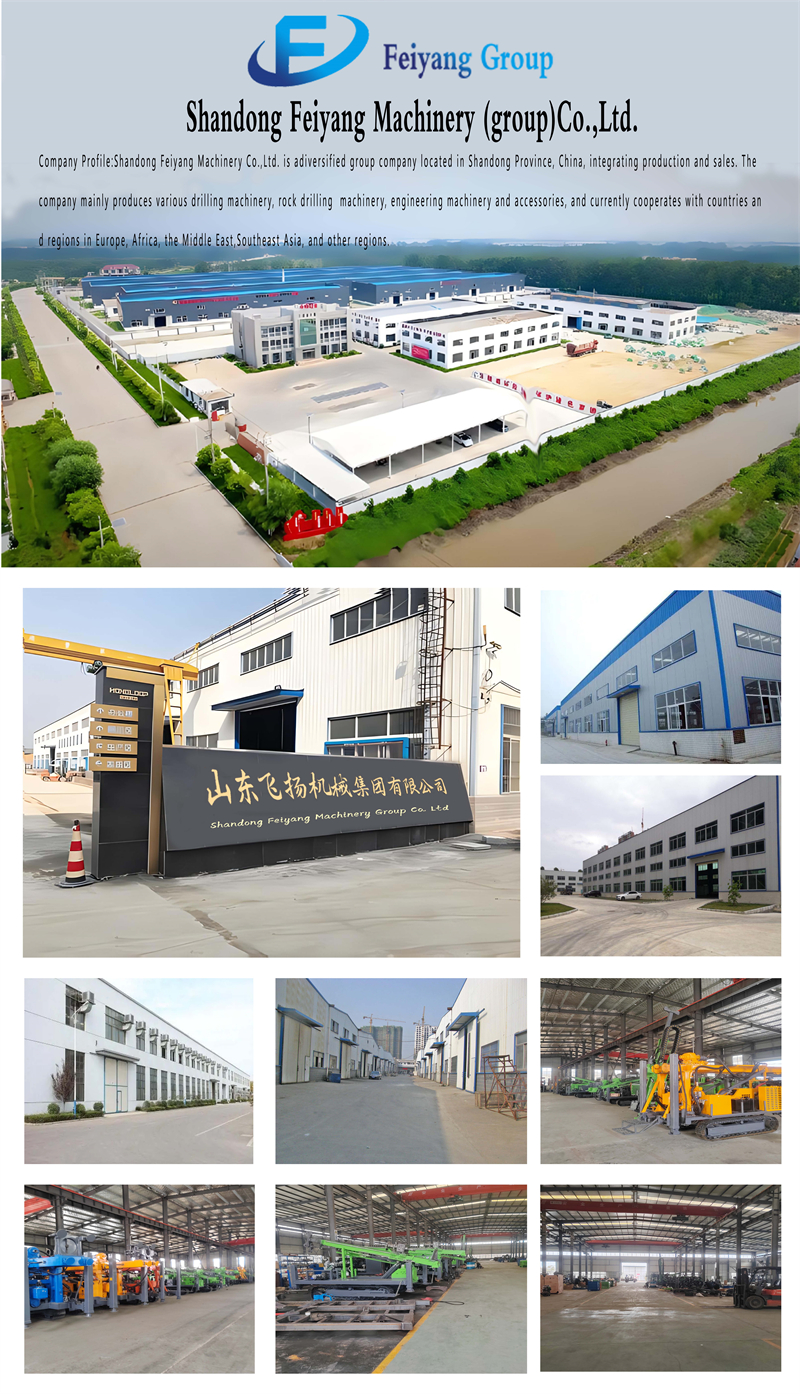
Production Workshop 1 Production Workshop 2 Production Workshop 3 Production Workshop 4 Production Process
FAQ
Frequently Asked Questions Overview
Frequently Asked Questions
Q1: What are the main applications of the MQT series pneumatic roof bolter?
A1: It is primarily used for drilling support holes and anchor cable installations in coal mines with a rock hardness of ≤f10. It is suitable for roadways constructed of coal or rock.
Q2: How does the engineering plastic design benefit operators?
A2: By using high-grade engineering plastic, the overall weight of the anchor drill is significantly reduced. This makes handling and operating the machinery underground far easier and less fatiguing.
Q3: Can this equipment handle the high water pressure found in coal mines?
A3: Yes. The water valve utilizes special technology designed specifically to handle and adapt to the ultra-high static pressure water typical in underground mining environments.
Q4: What makes the propulsion cylinder safe for mine use?
A4: The propulsion section utilizes a new fiberglass cylinder. This material is safe, explosion-proof, exceptionally lightweight, and flexible, which enhances underground safety.
Q5: How does the MQT bolter achieve mixing and installation in a single step?
A5: For bolts configured with damping nuts, the nut can be directly tightened during the mixing process. This allows both mixing and installation to be finished at once while meeting the initial anchor preload requirements.
Q6: What are the primary differences between MQT110, MQT120, and MQT130 models?
A6: The key differences lie in their rated torque capacities (110, 120, and 130 N.m respectively) and their maximum output power, allowing you to choose the correct model based on your roadway's rock conditions and power supply.

Related Products