1 / 5
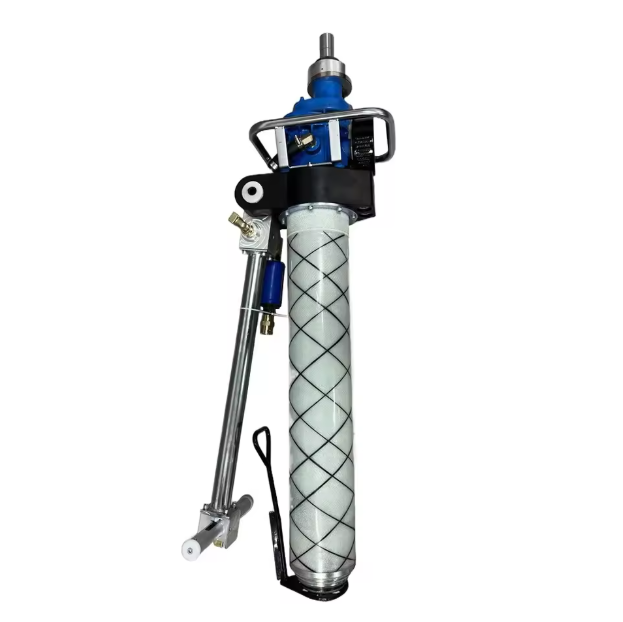
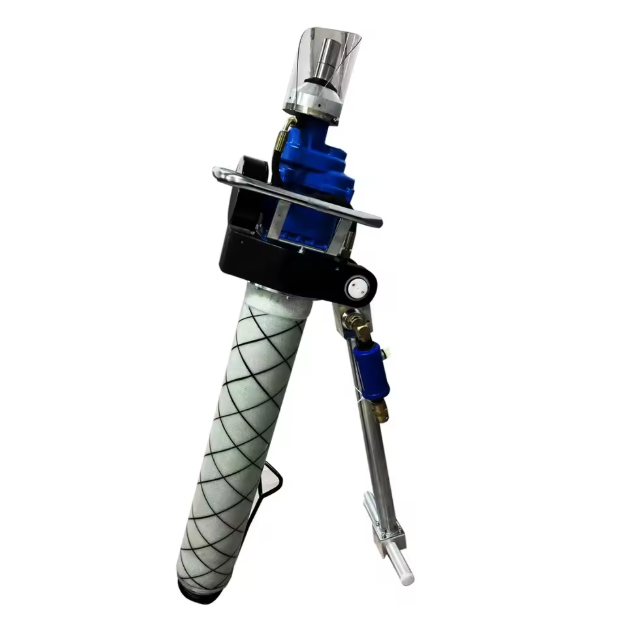
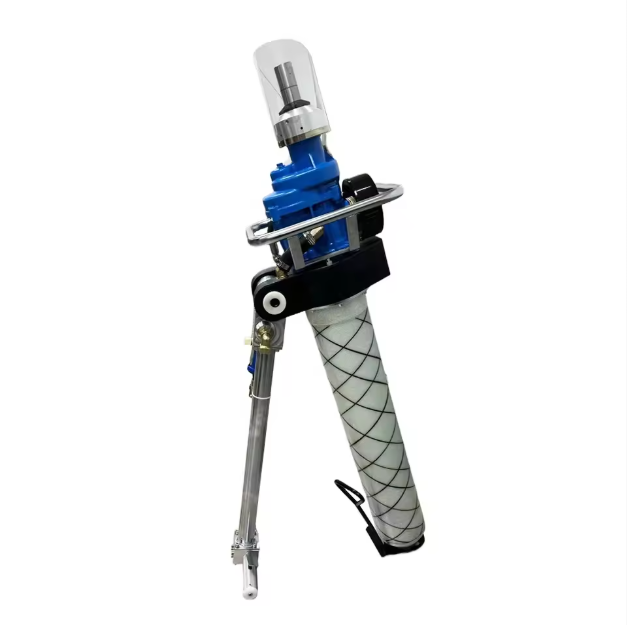
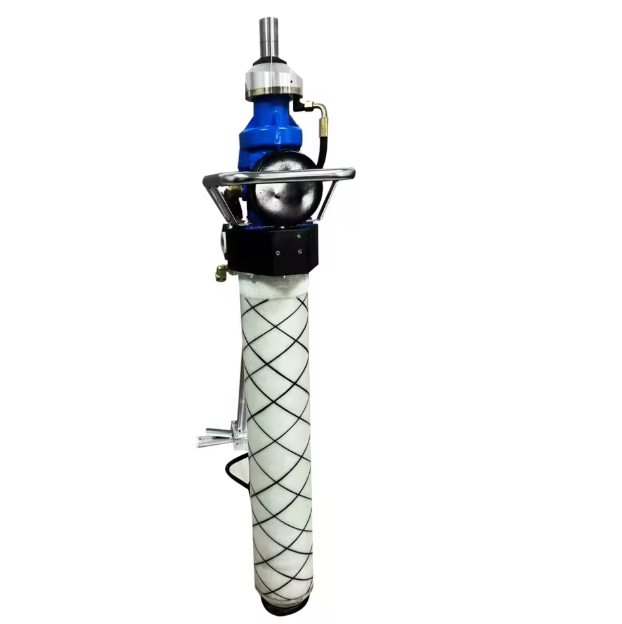
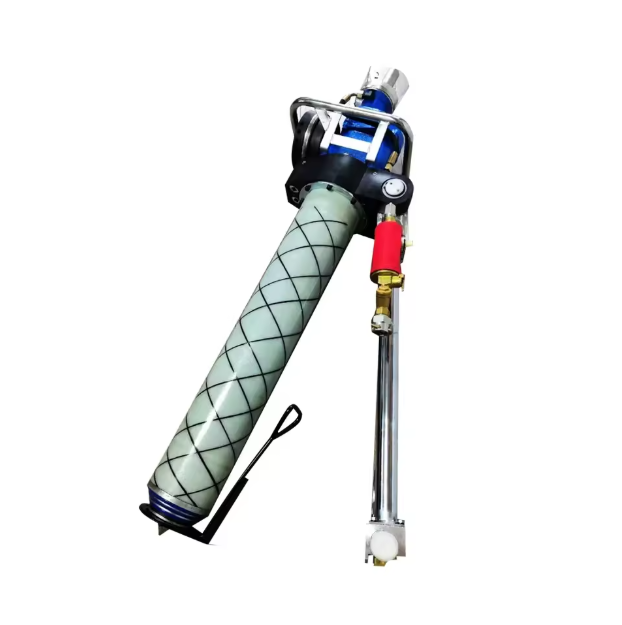
| Parameter | Unit | MQT110 | MQT120 | MQT130 |
|---|---|---|---|---|
| Stress range | Mpa | 0.4-0.63 | 0.4-0.63 | 0.4-0.63 |
| Rated pressure | Mpa | 0.5 | 0.5 | 0.5 |
| Rated torque | n.m | 110 | 120 | 130 |
| Rated speed | r/min | ≥230 | ≥200 | ≥180 |
| Maximum output power | KW | ≥2.4 | ≥2.6 | ≥3.0 |
| Maximum load torque | n.m | ≥180 | ≥220 | ≥260 |
| starting torque | n.m | ≥170 | ≥180 | ≥230 |
| Load gas consumption | m³/min | ≤3.8 | ≤4.2 | ≤4.4 |
| Maximum speed of revolution | r/min | 620 | 500 | 460 |
| Weight | Kg | 48 | 52 | 54 |
What is our core expertise?
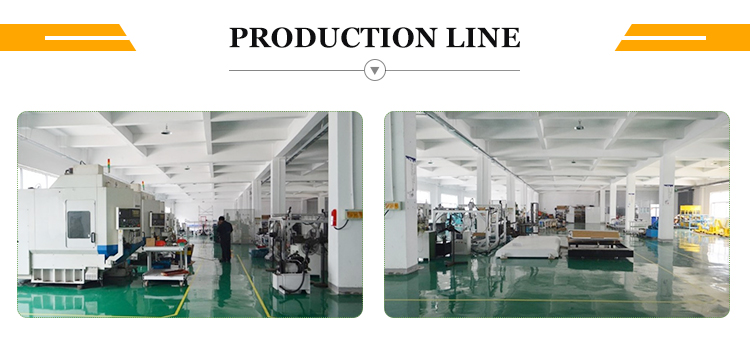
We specialize in mechanical, hydraulic, transmission, and control systems, bringing 20 years of dedicated design and research experience. Our independent manufacturing facility allows us to build and deliver highly reliable machinery to meet customer needs.
How is quality control managed and guaranteed?
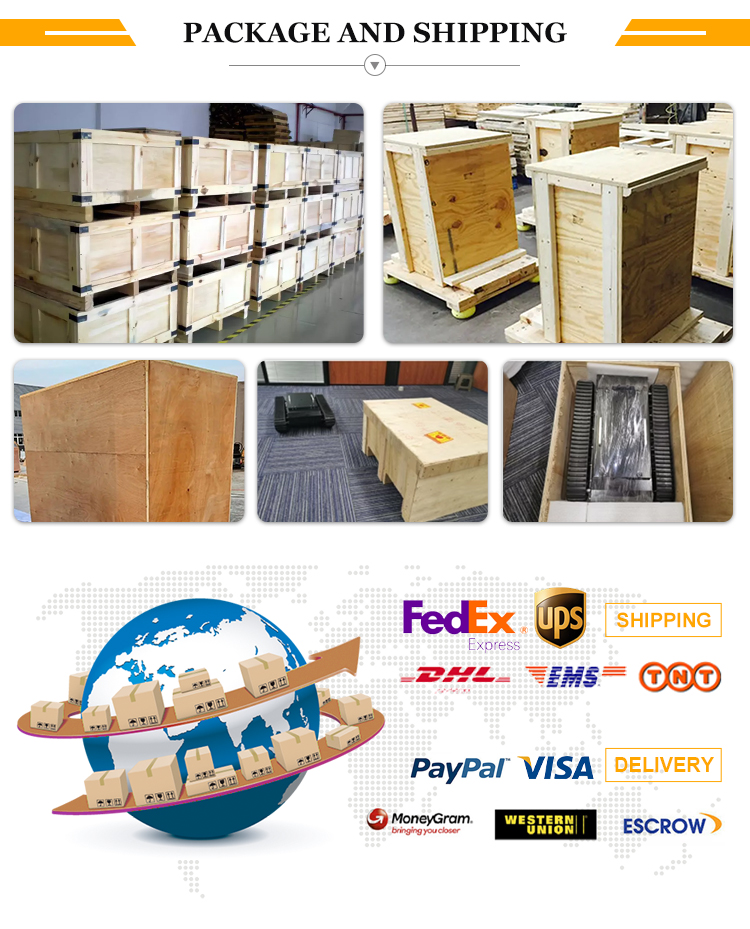
We maintain strict quality control standards. This includes producing and examining a pre-production sample before launching mass production, followed by a thorough final inspection of every unit prior to shipment.
What products can you purchase from us?
Our product range includes robotic chassis, Ackerman chassis, tracked chassis, wheeled drive chassis, wall-climbing robots, and specialized pneumatic rock drills and roof bolters for underground mining operations.
Why should you choose us over other suppliers?
With two decades of custom R&D experience, an independent workshop, and a commitment to precision engineering, we offer superior technical integration, reliable performance, and customization capabilities to deliver exactly what our customers require.
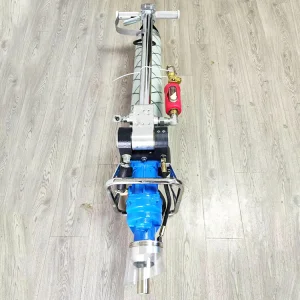
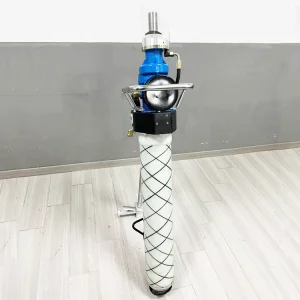
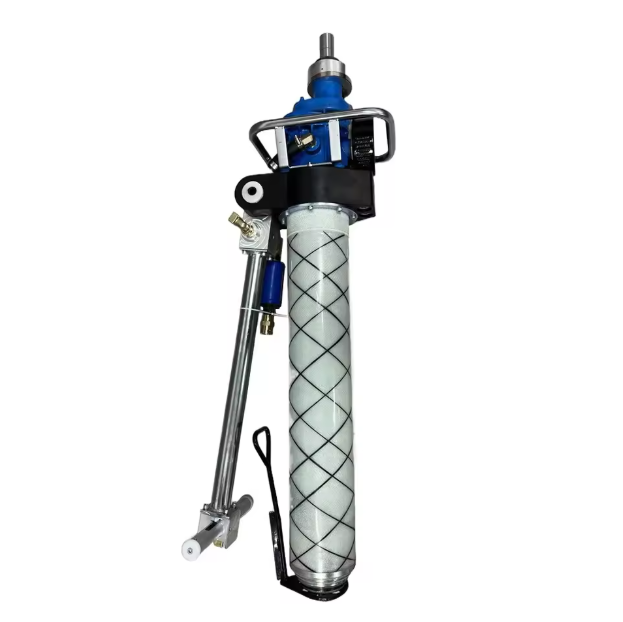
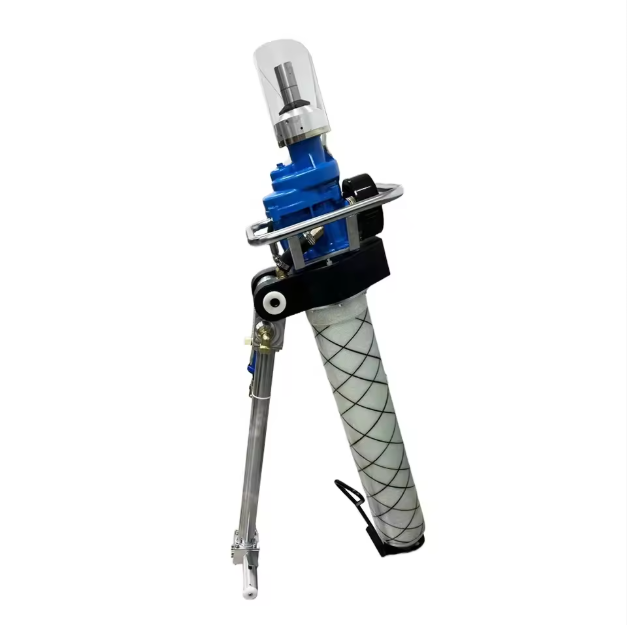
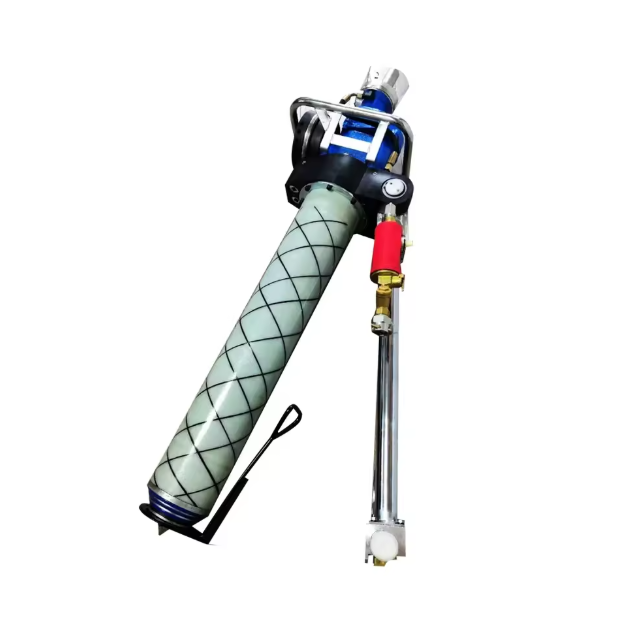
What are the primary applications of the MQT-130 Roofbolter?
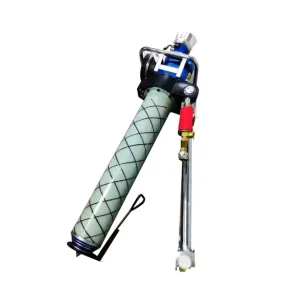
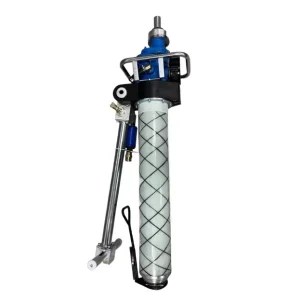
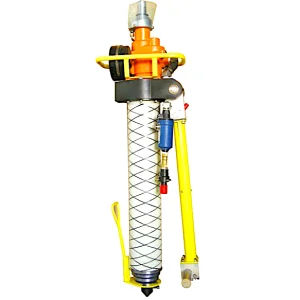
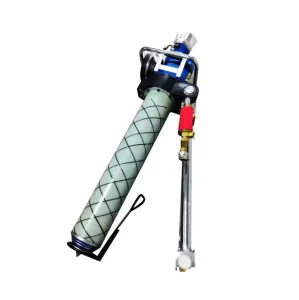
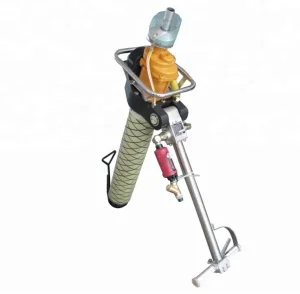
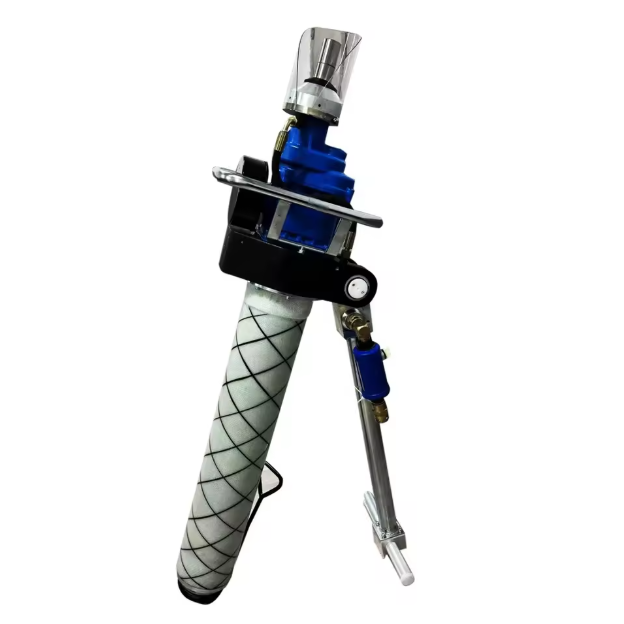
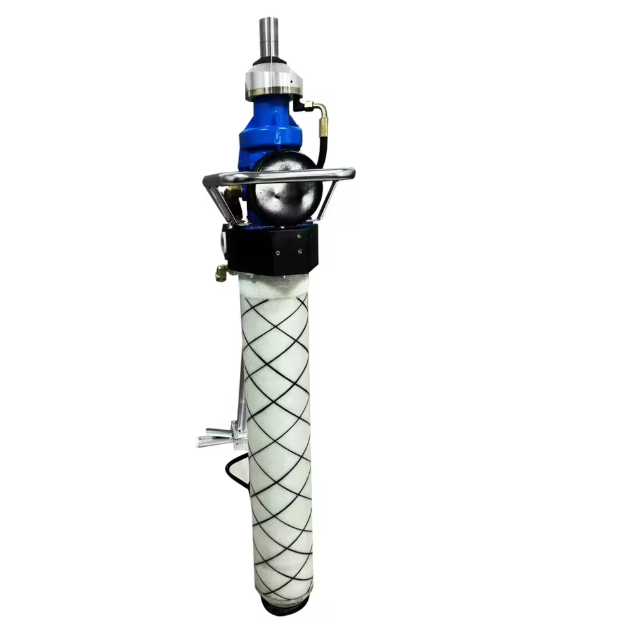
The MQT-130 is a pneumatic rotary roof bolter designed specifically for drilling and anchoring support bolts in underground coal mine roadways, tunnels, and mining development projects.
What are the main advantages of pneumatic rotary roof bolters?
Pneumatic roof bolters provide high torque, quick rotation speeds, and portability. Powered by compressed air, they operate safely in underground environments with high gas concentration where electrical spark hazards must be avoided.