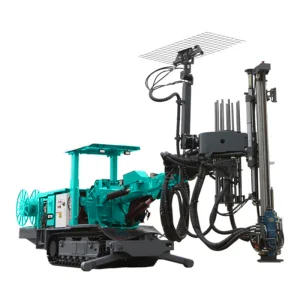
Engineered for high mechanical loads, rock stability support, and industrial-scale fluid pathway construction.
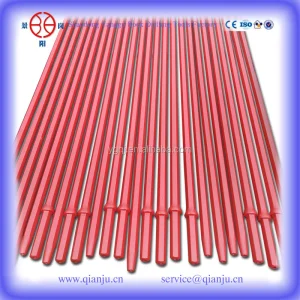
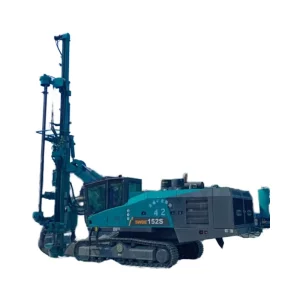
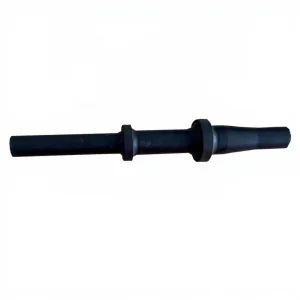
Deep-dive research on macroeconomic indicators, infrastructural shifts, and heavy equipment demands across municipal and geological engineering networks.
The global plumbing and drainage infrastructure sector is undergoing an unprecedented technological transition. Historically limited to manual excavation, localized residential piping, and basic hydraulic clearing, the modern industry now operates at the intersection of geotechnical anchoring, large-scale subsurface utility engineering (SUE), and high-durability drilling mechanics. Rapid municipal expansion, combined with the degradation of legacy combined sewer systems in North America and Western Europe, has driven a massive spike in the procurement of high-performance drainage tools.
From an industrial perspective, plumbing and drainage tools are no longer categorized solely as commercial hand tools. Instead, heavy-duty applications demand specialized machinery—such as pneumatic roof bolters, rock drills, split set friction stabilizers, and tapered alloy drill rods. These tools are critical in tunneling, deep utility installation, and sub-surface mining drainage systems. By safeguarding structural pathways, these high-end tools prevent catastrophic ground failure and ensure fluid diversion lines operate safely under extreme hydrostatic pressures.
"In underground infrastructure development, fluid containment and route reinforcement are interdependent. High-pressure drainage channel stability requires the same level of structural engineering and component stress analysis as deep-shaft mining."
Several dynamic factors define the contemporary market for drainage and pipeline routing systems:
The convergence of computerized metallurgy, automated anchoring, and high-efficiency pneumatic controls in the modern plumbing and utility sector.
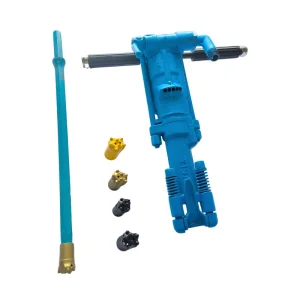
By shifting to vacuum-melted chromium-molybdenum forging steels (like H22), modern equipment achieves double the life span. These materials withstand cyclic fatigue generated by high-velocity pneumatic jackhammers and rock drills during pipe laying.
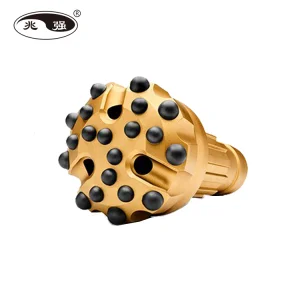
Trenchless directional boring utilizes alloy extension drill rods and highly customized DTH (Down-the-Hole) tools to place drainage lines below roadways without disrupting ground-level infrastructure or flow patterns.
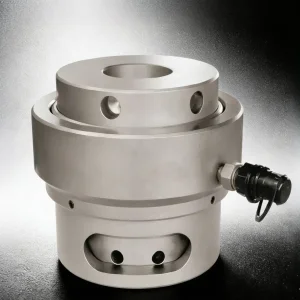
Smart hydraulic tensioning systems now integrate real-time overload prevention sensors. Overstroke safety protections automatically dump fluid volume, protecting structural anchor bolts from catastrophic yielding.
Furthermore, standard industry criteria are evolving away from standalone, unmonitored equipment. Contractors demand complete system integration. From the primary drill bit penetrator to the pneumatic torque wrench tightening the anchor plate, each element must be calculated and cross-matched for mechanical harmony. Suppliers that fail to deliver end-to-end tooling compatibility are quickly being phased out by complex infrastructure consortia.
Analyzing field performance parameters across key geological conditions, drainage setups, and mining tasks.
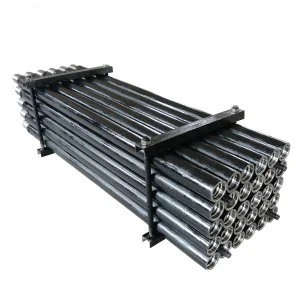
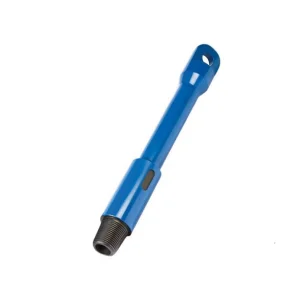
During the execution of dense metropolitan wastewater diversion schemes, civil engineers face complex soil mechanics. To create standard gravity-fed channels, directional drilling systems utilize Hex Extension DTH Drill Rods and API7-1 Alloy Steel Drill Lift Subs. These heavy tools bore through crystalline granite while maintaining line accuracy. At the same time, split-set rock stabilizers are driven into the overhead rock mass. This prevents local roof deformation and maintains safety clearances for structural concrete lining installation.
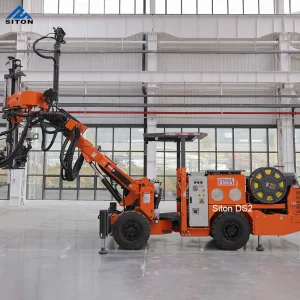
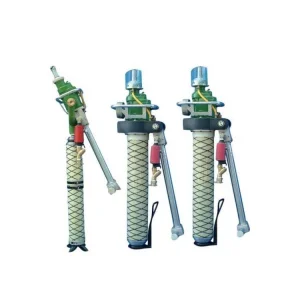
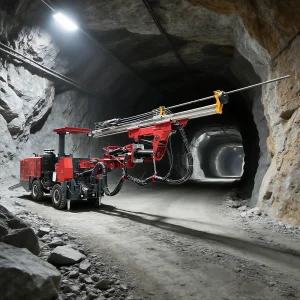
Underground mines handle immense liquid volumes. To prevent flooding, engineering departments build massive sump chambers. The structural integrity of these underground chambers depends directly on pneumatic anchor bolting rigs (such as the MQT series) and high-load hydraulic roof bolting rigs. Under constant exposure to corrosive, high-sulfur runoff, forged H22 chromium drill rods provide the reliability required to drill anchor pathways without breaking, protecting personnel and water-routing machinery alike.
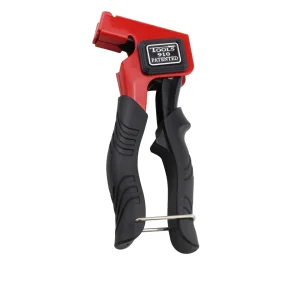
High-vibration process industries—including petrochemical facilities and massive mineral processing mills—rely on heavy-duty pipe supports and massive flanged joints. Over-tightening or uneven load distribution on these flanges causes stress corrosion cracking. To prevent this, maintenance teams utilize professional, simple-type hydraulic bolt tensioning tools with integrated safety mechanisms. These tools apply uniform tension, ensuring leak-free performance and long-term durability in volatile chemical processing environments.
A strategic vision outlining the evolution of material formulations, drilling profiles, and international compliance frameworks.
Phase-out of carbon-steel tooling in favor of high-yield Chromium-Molybdenum formulas. Standardization of thread profiles (R32, R38, T38) to reduce structural energy loss during high-frequency impact drilling.
Migration of handheld borehole drilling tools to remotely controlled rigs. Smart anchoring systems with automatic torque logging and digital validation certificates to satisfy strict regulatory compliance audits.
Integration of self-lubricating dry-running drill components, removing bio-hazardous mineral oils from the underground drilling and drainage installation lifecycle.
Driving Innovation in Industrial Machinery and Building a New Era of Advanced Equipment Manufacturing
Shandong E-Way Machine Co., Ltd. is a modern industrial equipment manufacturer dedicated to the research, development, production, and service of high-quality machinery and engineering solutions. With a strong focus on technological innovation and manufacturing excellence, the company serves customers in mining, construction, and various heavy-duty industrial sectors worldwide.
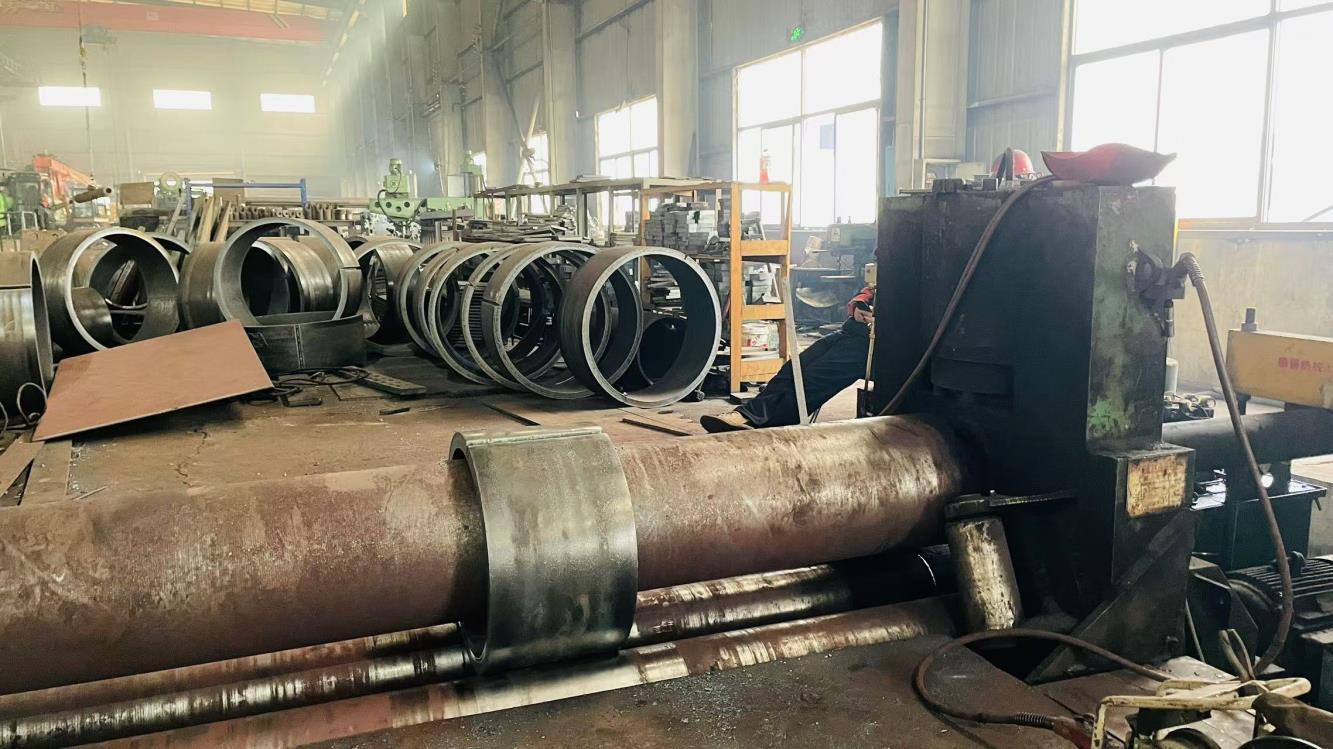
Over the years, Shandong E-Way Machine has developed a diversified product portfolio covering mining and construction drilling equipment, pneumatic and hydraulic tools, anchoring and support systems, mechanical transmission components, and a wide range of spare parts and accessories. In addition, the company provides customized machining services, including precision components, structural parts, and wear-resistant engineering plastic products, meeting the specific needs of different working conditions and industries.
Innovation is the core driving force behind Shandong E-Way Machine’s sustainable development. The company brings together experienced engineers and technical experts specializing in mechanical design and industrial equipment development. Through continuous research and development, we improve product structures, enhance operational efficiency, and upgrade performance reliability.
By integrating advanced manufacturing technologies and practical engineering experience, we have developed a series of independently designed products that deliver stable performance even under complex and demanding working environments.
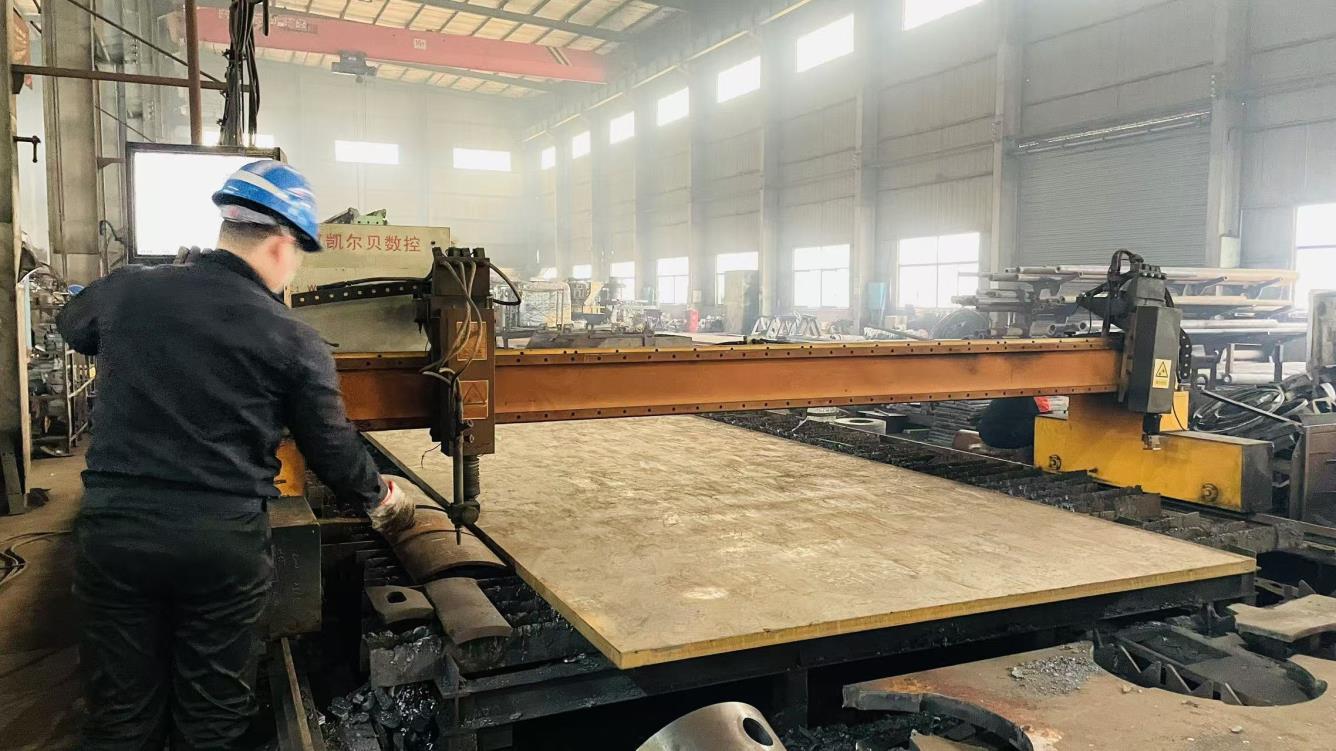
Quality is the foundation of our enterprise. Shandong E-Way Machine strictly follows a comprehensive quality management system throughout every stage of production—from raw material selection and precision machining to final inspection and testing.
Understanding the critical importance of safety in mining and industrial applications, our products are engineered with enhanced structural strength, safety protection features, and long-term durability. This ensures reliable operation under high load, harsh conditions, and continuous working environments.
At Shandong E-Way Machine, we uphold a customer-first philosophy and are committed to delivering complete lifecycle support. Our service system includes pre-sales consultation, technical solution design, installation guidance, and comprehensive after-sales support.
We aim not only to provide high-quality products but also to ensure customers receive timely technical assistance and reliable service throughout the entire usage process. This commitment enables long-term partnerships and mutual success with our global clients.
Moving forward, Shandong E-Way Machine Co., Ltd. will continue to embrace the principles of innovation-driven growth, quality excellence, and service-oriented development. We are committed to advancing intelligent manufacturing, expanding application areas, and improving product efficiency, safety, and sustainability.
Together with global partners, we strive to contribute to the continuous progress of the industrial machinery sector and create a smarter, safer, and more efficient future.
Detailed technical answers addressing common queries from procurement heads, mechanical engineers, and site managers.
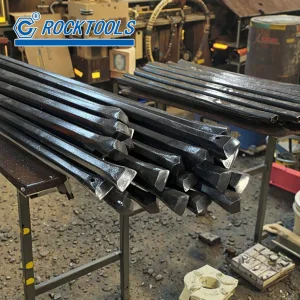
Chromium-alloyed steel (specifically formulas used in JYG and related forged chisel bars) provides superior hardness and high fatigue limits. Standard carbon steels suffer from micro-fractures under high-frequency impact stress. The addition of Chromium creates a dense grain structure that resists corrosion in wet subterranean plumbing and mining conditions, lowering tooling failure rates by up to 40%.
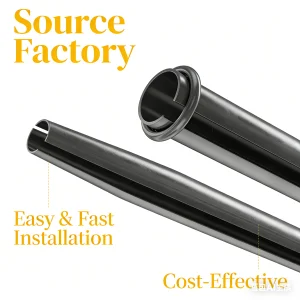
Split-set stabilizers are hollow, high-yield steel tubes slotted along their length. When driven into a slightly smaller drilled hole, they exert constant radial pressure against the surrounding rock or soil. This friction provides immediate structural stability to the crown and ribs of utility tunnels. This prevents shifting and collapses, allowing teams to install large concrete conduits and gravity-fed stormwater drainage networks safely.
During high-pressure flange fastening, over-extending a hydraulic piston can lead to seals bursting or catastrophic tool failure. Overstroke protection uses internal relief paths or mechanical blocks to bypass excess hydraulic oil. This safely stops piston travel, preventing tool damage and protecting operators from escaping high-pressure fluids.
Thread profiles determine the efficiency of rotational torque and impact energy transfer from the drill rod to the bit. The R32 thread profile balances secure mechanical coupling with quick uncoupling. It ensures minimal energy loss through the thread joint, allowing maximum percussion energy to reach the carbide buttons for fast rock penetration.
Yes. High-quality pneumatic roof bolters (like the MQT series) are designed for wet underground environments. Unlike electrical machinery that risks short-circuits, pneumatic drive units rely solely on compressed air. Internal steel components are treated with anti-corrosion coatings, and exhaust ports are angled to prevent water and debris from entering the motor cylinder.
Maximize structural support, borehole consistency, and industrial plumbing reliability under severe operating conditions.